
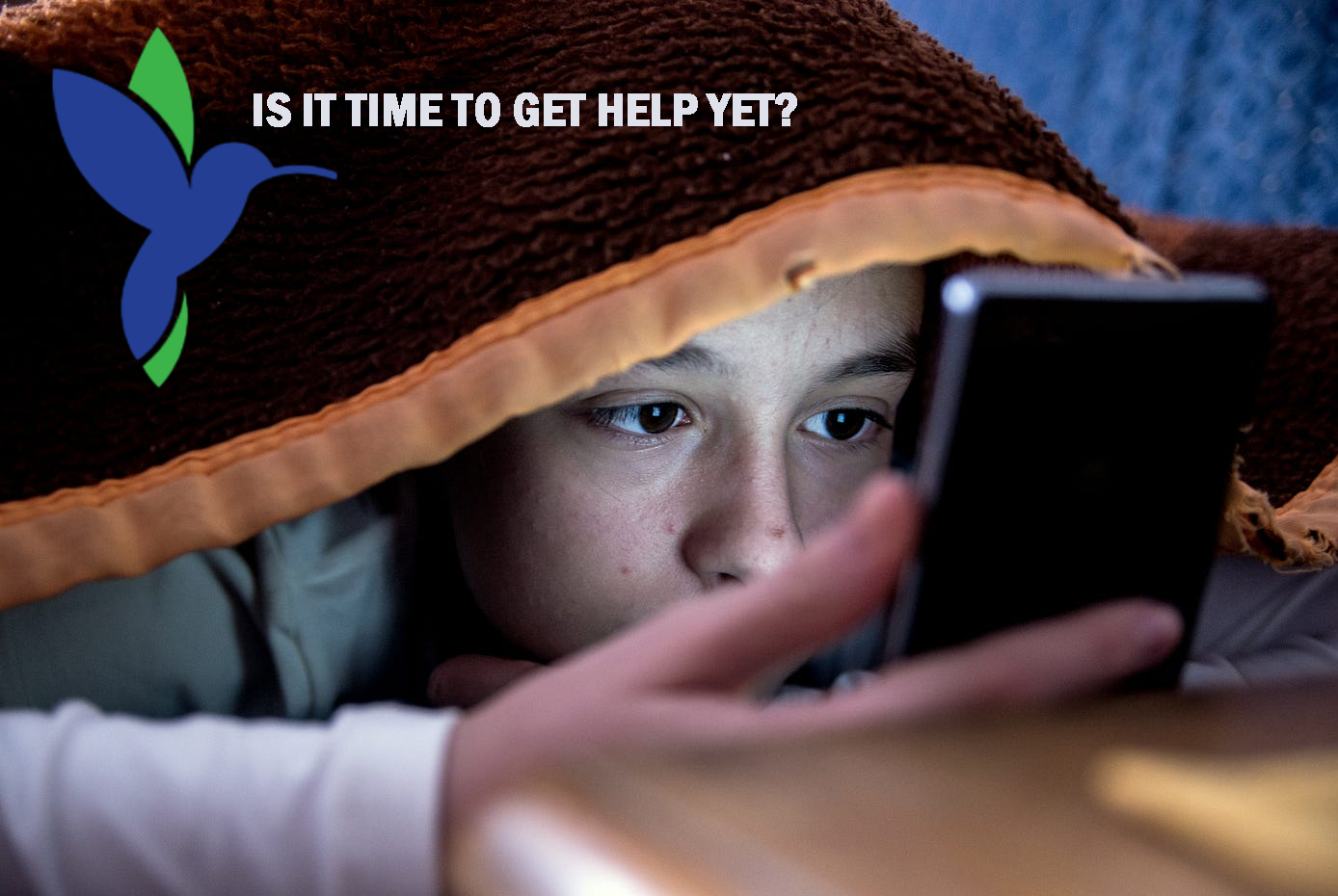
Doomscrolling: Why We Can’t Stop Scrolling and How It Impacts Mental Health

Doomscrolling Help at Ambrosia Behavioral Health

What Is Doomscrolling?

Doomscrolling is the habit of continuously scrolling through negative news, upsetting social media content, or distressing online information for long periods of time. While many people begin scrolling with the intention of staying informed, doomscrolling often becomes compulsive and emotionally draining. Instead of helping individuals feel prepared or educated, it can increase stress, anxiety, hopelessness, and emotional exhaustion.

The term “doomscrolling” gained widespread attention during major global crises, including the COVID-19 pandemic, economic instability, political conflict, and natural disasters. However, doomscrolling is not limited to world events. Many people also doomscroll through content involving celebrity scandals, crime stories, personal conflicts, health fears, or social comparison on platforms like Instagram, TikTok, Facebook, X, and Reddit.

Modern technology makes doomscrolling incredibly easy. Algorithms are designed to keep users engaged, often prioritizing emotionally charged content because it captures attention more effectively than neutral or positive information. As a result, individuals can quickly become trapped in cycles of negativity without realizing how much time has passed or how deeply their mental health has been affected.

Understanding doomscrolling is important because the behavior can contribute to anxiety disorders, depression, stress-related conditions, sleep disturbances, and emotional burnout. For individuals already struggling with mental health or substance use disorders, doomscrolling may worsen symptoms and interfere with recovery.

Why Doomscrolling Happens

Doomscrolling is rooted in both psychology and technology. Human beings naturally pay more attention to potential threats than positive information. This survival mechanism, known as negativity bias, evolved to help people stay alert to danger. In today’s digital world, that same instinct keeps people repeatedly checking for bad news or upsetting updates.

Social media platforms and news websites reinforce this behavior by delivering endless streams of emotionally stimulating content. Notifications, autoplay videos, personalized algorithms, and infinite scrolling features encourage users to remain engaged for as long as possible. Every swipe or refresh can provide a new emotional trigger, creating a cycle that becomes difficult to stop.

Many people doomscroll because they are searching for certainty or control during stressful situations. Reading more information can feel productive at first. However, excessive exposure to negative content rarely provides relief. Instead, it often heightens fear and uncertainty.

Doomscrolling can also become a coping mechanism. Some individuals use it to distract themselves from loneliness, boredom, emotional pain, or uncomfortable thoughts. Others feel pressured to stay constantly informed due to social expectations or fear of missing out. Over time, these habits can become automatic and compulsive.

The Mental Health Effects of Doomscrolling

Doomscrolling can significantly impact mental health, especially when it becomes a daily habit. Constant exposure to distressing information keeps the brain in a heightened state of alertness. This ongoing stress response may contribute to anxiety, panic, irritability, emotional exhaustion, and depressive symptoms.

People who engage in doomscrolling often report feeling overwhelmed, helpless, or emotionally numb after spending time online. Negative content can distort a person’s perception of reality, making the world seem more dangerous, chaotic, or hopeless than it actually is. This can increase feelings of fear and pessimism.

Anxiety is one of the most common consequences of doomscrolling. Reading alarming headlines, watching upsetting videos, or consuming emotionally intense social media posts can trigger racing thoughts and excessive worry. The brain may begin anticipating danger even when no immediate threat exists.

Doomscrolling is also linked to depression. Constant negativity can lower mood, reduce motivation, and increase feelings of sadness or despair. Social media comparisons may further intensify low self-esteem and feelings of inadequacy. When individuals spend hours absorbing distressing content, they may withdraw from healthy activities, relationships, or responsibilities that support emotional wellness.

For some people, doomscrolling contributes to chronic stress. Stress hormones like cortisol remain elevated when the nervous system is repeatedly activated by upsetting information. Over time, this may affect concentration, emotional regulation, and overall well-being.
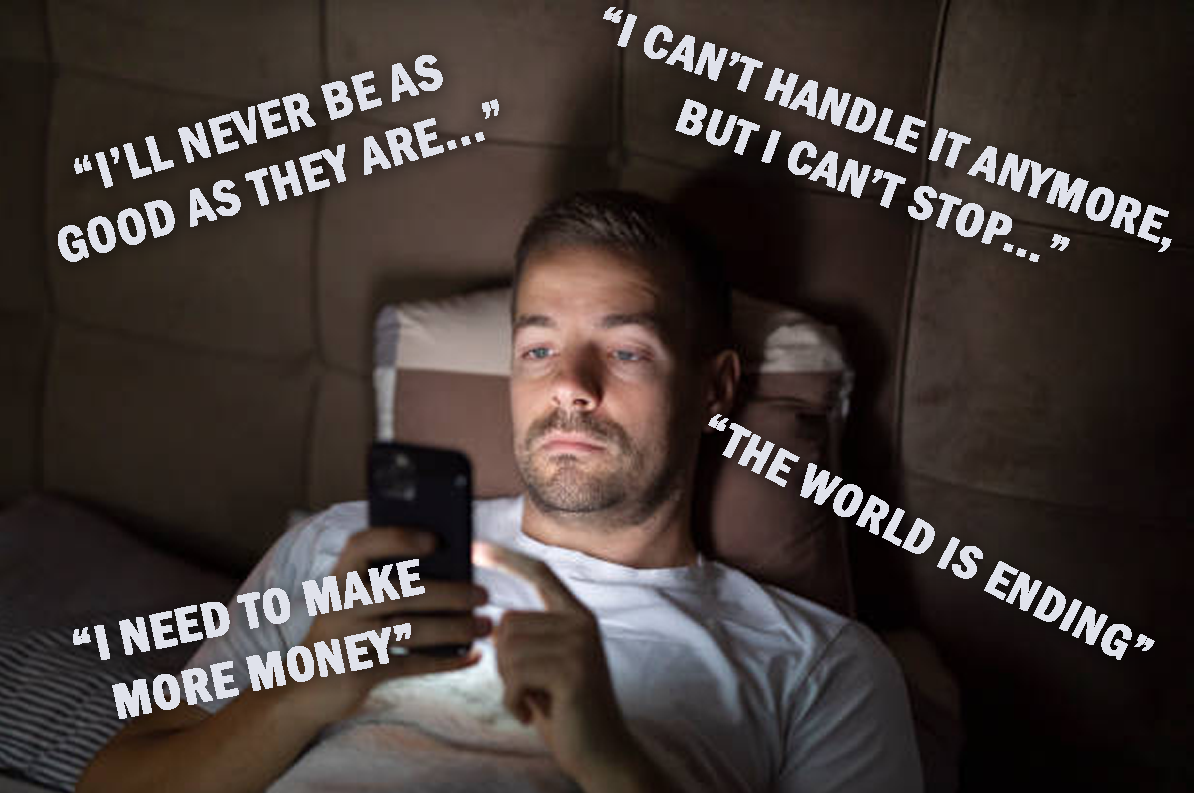
Anxiety and other mental health conditions from doomscrolling

Doomscrolling and Anxiety Disorders

People with anxiety disorders may be especially vulnerable to doomscrolling. Anxiety often involves excessive worry, hypervigilance, and a strong desire to predict or prevent negative outcomes. Doomscrolling feeds these tendencies by providing endless information about potential threats.

Someone with generalized anxiety disorder may constantly check the news for updates about health concerns, financial instability, or world events. Individuals with panic disorder may become more sensitive to alarming stories involving illness or danger. Social anxiety can also worsen through excessive social media use and comparison.

Unfortunately, doomscrolling rarely reduces anxiety. Instead, it often reinforces anxious thinking patterns. The temporary feeling of control gained from checking updates quickly fades, leading individuals to continue searching for more information. This cycle can become emotionally exhausting.

Over time, doomscrolling may increase physical symptoms of anxiety, including muscle tension, rapid heartbeat, restlessness, headaches, and difficulty concentrating. Sleep problems are also common, especially when individuals consume negative content late at night.

Professional mental health treatment can help individuals recognize these patterns and develop healthier coping strategies. Therapy may focus on emotional regulation, mindfulness, cognitive restructuring, and reducing compulsive behaviors related to technology use.

How Doomscrolling Affects Sleep

Doomscrolling often interferes with healthy sleep habits. Many people scroll through social media or news apps before bed, exposing themselves to emotionally stimulating content at a time when the brain should be winding down.

Negative information activates the nervous system and increases mental alertness, making it harder to relax or fall asleep. Stress and anxiety caused by doomscrolling can lead to racing thoughts, restlessness, and nighttime worry.

Screen exposure itself can also disrupt sleep. Blue light emitted from phones, tablets, and computers suppresses melatonin production, which interferes with the body’s natural sleep cycle. As a result, individuals may struggle to fall asleep, stay asleep, or feel rested in the morning.

Poor sleep can intensify the emotional effects of doomscrolling. Sleep deprivation is associated with increased irritability, anxiety, depression, and difficulty coping with stress. This creates a harmful cycle in which poor mental health leads to more doomscrolling, which then leads to worse sleep and emotional distress.

Establishing healthier nighttime habits can improve both sleep quality and emotional well-being. Reducing screen time before bed and creating technology-free routines may help individuals break the cycle of doomscrolling.

Doomscrolling and Addiction

Although doomscrolling is not officially classified as an addiction, the behavior can become compulsive and difficult to control. Many people feel an intense urge to check their phones repeatedly throughout the day, even when doing so negatively affects their mood or productivity.

Social media platforms are intentionally designed to encourage repeated engagement. Notifications, likes, comments, and unpredictable content triggers activate the brain’s reward system in ways similar to other compulsive behaviors. This reinforcement pattern can make doomscrolling feel addictive.

For individuals recovering from substance use disorders, doomscrolling may become another unhealthy coping mechanism. Excessive social media use can increase emotional distress, loneliness, and impulsivity, which may raise the risk of relapse.

Additionally, individuals who struggle with behavioral addictions involving technology, gaming, or internet use may find themselves trapped in cycles of doomscrolling that interfere with work, relationships, and self-care.

Treatment programs that address both mental health and behavioral compulsions can help individuals regain control over technology use and develop healthier emotional coping strategies.

Physical Effects of Doomscrolling

The Physical Effects of Doomscrolling

Doomscrolling does not only affect emotional health. It can also contribute to physical symptoms related to stress and prolonged screen use.

Many individuals experience headaches, eye strain, neck pain, and muscle tension after spending extended periods scrolling on their phones. Poor posture and repetitive device use may contribute to chronic discomfort.

Stress caused by doomscrolling can also affect the body in other ways. Elevated cortisol levels may increase fatigue, digestive problems, high blood pressure, and weakened immune functioning. Some individuals notice changes in appetite, energy levels, or overall physical health when they spend excessive time consuming negative content online.

Sedentary behavior associated with prolonged scrolling can further impact wellness. Hours spent on phones or computers may reduce physical activity, social interaction, and time spent outdoors, all of which are important for mental and physical health.

Recognizing the physical effects of doomscrolling is an important step toward creating healthier daily habits and improving overall quality of life.

Signs That Doomscrolling Is Becoming a Problem

Many people engage in occasional doomscrolling without realizing how much it affects them. However, certain signs may indicate that the behavior has become harmful or compulsive.

Individuals may spend hours scrolling through upsetting content even when it worsens their mood. They may feel anxious or guilty afterward but still struggle to stop. Some people check the news or social media immediately upon waking or throughout the night.

Doomscrolling may begin interfering with work, school, relationships, sleep, or daily responsibilities. People may become emotionally reactive, distracted, or withdrawn due to constant exposure to distressing information.

Others notice that they feel emotionally drained, hopeless, angry, or fearful after spending time online. Despite recognizing the negative impact, they continue scrolling because they feel unable to disconnect.

When doomscrolling begins affecting mental health, relationships, or daily functioning, professional support may be beneficial.

How to Stop Doomscrolling

Breaking the cycle of doomscrolling requires intentional changes in both technology habits and emotional coping strategies. While reducing screen time may sound simple, many individuals find it difficult because doomscrolling is tied to anxiety, stress, and emotional regulation.

One effective strategy is setting clear boundaries around technology use. Limiting time spent on social media or news apps can reduce exposure to distressing content. Some individuals benefit from removing apps from their phones or disabling notifications.

Creating designated screen-free periods during the day may also help. Avoiding social media before bed and immediately after waking can improve emotional balance and sleep quality.

Mindfulness practices can reduce the urge to compulsively check for updates. Techniques such as deep breathing, meditation, journaling, and grounding exercises help individuals stay present instead of becoming consumed by online negativity.

Replacing doomscrolling with healthier activities is also important. Spending time outdoors, exercising, connecting with loved ones, reading, or engaging in hobbies can improve mood and reduce stress.

For individuals struggling with severe anxiety, depression, or compulsive behaviors, therapy may provide additional support. Mental health professionals can help individuals identify emotional triggers, challenge unhealthy thought patterns, and develop healthier coping mechanisms.

The Importance of Digital Balance

Technology is deeply integrated into modern life, and staying informed is not inherently harmful. The problem arises when information consumption becomes excessive, emotionally overwhelming, or compulsive.

Developing a healthier relationship with technology involves creating balance. This means consuming information intentionally rather than mindlessly scrolling for hours. It also means recognizing when online content is negatively affecting emotional health.

Digital balance includes setting boundaries, prioritizing offline activities, and protecting mental wellness from constant exposure to negativity. Individuals who practice mindful technology use often experience lower stress levels, better sleep, improved focus, and healthier relationships.

Parents, educators, and healthcare professionals also play important roles in helping young people develop healthy digital habits. Teenagers and young adults are particularly vulnerable to the emotional effects of doomscrolling due to high social media use and ongoing brain development.

Encouraging open conversations about mental health and technology can help individuals recognize unhealthy patterns before they become severe.

The neuroscience research institute and Ambrosia Behavioral Health's headquarters in West Palm Beach FL

When to Seek Professional Help for Doomscrolling

Doomscrolling may indicate deeper emotional struggles that require professional attention. If someone feels unable to stop consuming negative content despite worsening mental health, therapy or treatment may be beneficial.

Professional support may be especially important when doomscrolling contributes to anxiety attacks, depression, sleep disruption, emotional instability, social withdrawal, or substance use. Mental health professionals can help individuals understand the emotional drivers behind compulsive scrolling and develop healthier coping skills.

Cognitive behavioral therapy is commonly used to address anxiety and compulsive behaviors related to technology use. Other therapeutic approaches may include mindfulness-based therapy, trauma-informed care, stress management, and dual diagnosis treatment for individuals experiencing both mental health and substance use disorders.

At Ambrosia Behavioral Health, individuals struggling with anxiety, depression, addiction, and emotional distress can receive comprehensive support tailored to their needs. Treatment focuses on helping clients regain emotional stability, improve coping skills, and build healthier daily habits that support long-term wellness.

Final Thoughts on Doomscrolling

Doomscrolling has become an increasingly common behavior in today’s digital world. While many people begin scrolling with the goal of staying informed, excessive exposure to negative online content can seriously affect mental, emotional, and physical health.

The constant cycle of consuming distressing information may contribute to anxiety, depression, stress, sleep problems, and compulsive technology use. Over time, doomscrolling can interfere with relationships, productivity, recovery, and overall quality of life.

Fortunately, recovery from unhealthy digital habits is possible. By setting boundaries, practicing mindfulness, seeking emotional support, and developing healthier coping strategies, individuals can regain control over their technology use and protect their mental health.

Recognizing the impact of doomscrolling is the first step toward creating a healthier and more balanced relationship with the digital world.

Frequently Asked Questions About Doomscrolling

What is doomscrolling?

Doomscrolling is the habit of continuously consuming negative news, distressing social media content, or upsetting online information for extended periods of time. People who engage in doomscrolling often feel unable to stop scrolling, even when the content increases stress or anxiety.

Why do people doomscroll?

People doomscroll for many reasons, including anxiety, curiosity, fear, boredom, or a desire to stay informed. Negative information naturally captures human attention because the brain is wired to focus on potential threats. Social media algorithms also encourage doomscrolling by continuously delivering emotionally charged content.

Is doomscrolling bad for mental health?

Yes, doomscrolling can negatively affect mental health. Excessive exposure to upsetting news and social media content may increase anxiety, depression, stress, emotional exhaustion, and feelings of hopelessness. Doomscrolling can also worsen existing mental health conditions.

Can doomscrolling cause anxiety?

Doomscrolling can contribute to anxiety by keeping the brain in a constant state of alertness. Repeated exposure to alarming headlines and stressful information may increase worry, racing thoughts, panic symptoms, and emotional overwhelm.

How does doomscrolling affect sleep?

Doomscrolling before bed can interfere with healthy sleep patterns. Stressful content may make it harder to relax and fall asleep, while blue light from screens disrupts melatonin production. Many people experience insomnia, poor sleep quality, or nighttime anxiety after doomscrolling.

Is doomscrolling addictive?

While doomscrolling is not officially classified as an addiction, it can become compulsive. Social media platforms and news apps are designed to encourage continuous engagement, making it difficult for some individuals to stop scrolling even when it negatively affects their well-being.

What are the signs of doomscrolling?

Common signs of doomscrolling include spending excessive time consuming negative content, feeling anxious after using social media, checking the news compulsively, losing track of time while scrolling, and struggling to disconnect from online information.

How can I stop doomscrolling?

Reducing doomscrolling often involves setting boundaries around screen time, limiting social media use, turning off notifications, practicing mindfulness, and replacing scrolling with healthier activities such as exercise, hobbies, or spending time with loved ones.

Can therapy help with doomscrolling?

Yes, therapy can help individuals understand the emotional triggers behind doomscrolling and develop healthier coping strategies. Mental health treatment may be especially helpful for people experiencing anxiety, depression, compulsive behaviors, or substance use disorders connected to excessive technology use.

When should someone seek professional help for doomscrolling?

Professional help may be beneficial when doomscrolling begins interfering with sleep, relationships, work, emotional health, or daily functioning. Individuals experiencing severe anxiety, depression, emotional distress, or compulsive internet use should consider reaching out to a mental health professional for support.

Sources and Resources

Sources

  1. American Psychological Association. “Stress in America.” https://www.apa.org
  2. Cleveland Clinic. “What Is Doomscrolling?” https://health.clevelandclinic.org
  3. Harvard Medical School. “How Constant Negative News Affects Mental Health.” https://www.health.harvard.edu
  4. Mayo Clinic. “Stress Symptoms: Effects on Your Body and Behavior.” https://www.mayoclinic.org
  5. National Institute of Mental Health. “Anxiety Disorders.” https://www.nimh.nih.gov
  6. Sleep Foundation. “How Screen Time Affects Sleep.” https://www.sleepfoundation.org
  7. Centers for Disease Control and Prevention. “Mental Health and Coping During Stressful Events.” https://www.cdc.gov
  8. American Psychiatric Association. “Social Media and Mental Health.” https://www.psychiatry.org
  9. Johns Hopkins Medicine. “The Effects of Stress on Your Body.” https://www.hopkinsmedicine.org
  10. Psychology Today. “Why Doomscrolling Is Harmful to Mental Health.” https://www.psychologytoday.com

PHP Code Snippets Powered By : XYZScripts.com

Doomscrolling: Why We Can’t Stop Scrolling and How It Impacts Mental Health

DANESH ALAM

Danesh Alam MD, DFAPA, DFASAM
Medical Reviewer

Dr. Alam is an internationally renowned psychiatrist with academic affiliations with Northwestern University and University of Illinois, Chicago where he completed his residency training. He has been a principal investigator for over forty studies and has been involved in research leading to the approval of most psychiatric medications currently on the market. He is the founder of the Neuroscience Research Institute which continues to conduct research on cutting edge medication and interventional psychiatry. Dr. Alam is a Distinguished Fellow of the American Psychiatric Association and the American Society of Addiction Medicine. He has won several awards and has been featured extensively on radio and television.

Doomscrolling Help at Ambrosia Behavioral Health

What Is Doomscrolling?

Doomscrolling is the habit of continuously scrolling through negative news, upsetting social media content, or distressing online information for long periods of time. While many people begin scrolling with the intention of staying informed, doomscrolling often becomes compulsive and emotionally draining. Instead of helping individuals feel prepared or educated, it can increase stress, anxiety, hopelessness, and emotional exhaustion.

The term “doomscrolling” gained widespread attention during major global crises, including the COVID-19 pandemic, economic instability, political conflict, and natural disasters. However, doomscrolling is not limited to world events. Many people also doomscroll through content involving celebrity scandals, crime stories, personal conflicts, health fears, or social comparison on platforms like Instagram, TikTok, Facebook, X, and Reddit.

Modern technology makes doomscrolling incredibly easy. Algorithms are designed to keep users engaged, often prioritizing emotionally charged content because it captures attention more effectively than neutral or positive information. As a result, individuals can quickly become trapped in cycles of negativity without realizing how much time has passed or how deeply their mental health has been affected.

Understanding doomscrolling is important because the behavior can contribute to anxiety disorders, depression, stress-related conditions, sleep disturbances, and emotional burnout. For individuals already struggling with mental health or substance use disorders, doomscrolling may worsen symptoms and interfere with recovery.

Why Doomscrolling Happens

Doomscrolling is rooted in both psychology and technology. Human beings naturally pay more attention to potential threats than positive information. This survival mechanism, known as negativity bias, evolved to help people stay alert to danger. In today’s digital world, that same instinct keeps people repeatedly checking for bad news or upsetting updates.

Social media platforms and news websites reinforce this behavior by delivering endless streams of emotionally stimulating content. Notifications, autoplay videos, personalized algorithms, and infinite scrolling features encourage users to remain engaged for as long as possible. Every swipe or refresh can provide a new emotional trigger, creating a cycle that becomes difficult to stop.

Many people doomscroll because they are searching for certainty or control during stressful situations. Reading more information can feel productive at first. However, excessive exposure to negative content rarely provides relief. Instead, it often heightens fear and uncertainty.

Doomscrolling can also become a coping mechanism. Some individuals use it to distract themselves from loneliness, boredom, emotional pain, or uncomfortable thoughts. Others feel pressured to stay constantly informed due to social expectations or fear of missing out. Over time, these habits can become automatic and compulsive.

The Mental Health Effects of Doomscrolling

Doomscrolling can significantly impact mental health, especially when it becomes a daily habit. Constant exposure to distressing information keeps the brain in a heightened state of alertness. This ongoing stress response may contribute to anxiety, panic, irritability, emotional exhaustion, and depressive symptoms.

People who engage in doomscrolling often report feeling overwhelmed, helpless, or emotionally numb after spending time online. Negative content can distort a person’s perception of reality, making the world seem more dangerous, chaotic, or hopeless than it actually is. This can increase feelings of fear and pessimism.

Anxiety is one of the most common consequences of doomscrolling. Reading alarming headlines, watching upsetting videos, or consuming emotionally intense social media posts can trigger racing thoughts and excessive worry. The brain may begin anticipating danger even when no immediate threat exists.

Doomscrolling is also linked to depression. Constant negativity can lower mood, reduce motivation, and increase feelings of sadness or despair. Social media comparisons may further intensify low self-esteem and feelings of inadequacy. When individuals spend hours absorbing distressing content, they may withdraw from healthy activities, relationships, or responsibilities that support emotional wellness.

For some people, doomscrolling contributes to chronic stress. Stress hormones like cortisol remain elevated when the nervous system is repeatedly activated by upsetting information. Over time, this may affect concentration, emotional regulation, and overall well-being.

Anxiety and other mental health conditions from doomscrolling

Doomscrolling and Anxiety Disorders

People with anxiety disorders may be especially vulnerable to doomscrolling. Anxiety often involves excessive worry, hypervigilance, and a strong desire to predict or prevent negative outcomes. Doomscrolling feeds these tendencies by providing endless information about potential threats.

Someone with generalized anxiety disorder may constantly check the news for updates about health concerns, financial instability, or world events. Individuals with panic disorder may become more sensitive to alarming stories involving illness or danger. Social anxiety can also worsen through excessive social media use and comparison.

Unfortunately, doomscrolling rarely reduces anxiety. Instead, it often reinforces anxious thinking patterns. The temporary feeling of control gained from checking updates quickly fades, leading individuals to continue searching for more information. This cycle can become emotionally exhausting.

Over time, doomscrolling may increase physical symptoms of anxiety, including muscle tension, rapid heartbeat, restlessness, headaches, and difficulty concentrating. Sleep problems are also common, especially when individuals consume negative content late at night.

Professional mental health treatment can help individuals recognize these patterns and develop healthier coping strategies. Therapy may focus on emotional regulation, mindfulness, cognitive restructuring, and reducing compulsive behaviors related to technology use.

How Doomscrolling Affects Sleep

Doomscrolling often interferes with healthy sleep habits. Many people scroll through social media or news apps before bed, exposing themselves to emotionally stimulating content at a time when the brain should be winding down.

Negative information activates the nervous system and increases mental alertness, making it harder to relax or fall asleep. Stress and anxiety caused by doomscrolling can lead to racing thoughts, restlessness, and nighttime worry.

Screen exposure itself can also disrupt sleep. Blue light emitted from phones, tablets, and computers suppresses melatonin production, which interferes with the body’s natural sleep cycle. As a result, individuals may struggle to fall asleep, stay asleep, or feel rested in the morning.

Poor sleep can intensify the emotional effects of doomscrolling. Sleep deprivation is associated with increased irritability, anxiety, depression, and difficulty coping with stress. This creates a harmful cycle in which poor mental health leads to more doomscrolling, which then leads to worse sleep and emotional distress.

Establishing healthier nighttime habits can improve both sleep quality and emotional well-being. Reducing screen time before bed and creating technology-free routines may help individuals break the cycle of doomscrolling.

Doomscrolling and Addiction

Although doomscrolling is not officially classified as an addiction, the behavior can become compulsive and difficult to control. Many people feel an intense urge to check their phones repeatedly throughout the day, even when doing so negatively affects their mood or productivity.

Social media platforms are intentionally designed to encourage repeated engagement. Notifications, likes, comments, and unpredictable content triggers activate the brain’s reward system in ways similar to other compulsive behaviors. This reinforcement pattern can make doomscrolling feel addictive.

For individuals recovering from substance use disorders, doomscrolling may become another unhealthy coping mechanism. Excessive social media use can increase emotional distress, loneliness, and impulsivity, which may raise the risk of relapse.

Additionally, individuals who struggle with behavioral addictions involving technology, gaming, or internet use may find themselves trapped in cycles of doomscrolling that interfere with work, relationships, and self-care.

Treatment programs that address both mental health and behavioral compulsions can help individuals regain control over technology use and develop healthier emotional coping strategies.

Physical Effects of Doomscrolling

The Physical Effects of Doomscrolling

Doomscrolling does not only affect emotional health. It can also contribute to physical symptoms related to stress and prolonged screen use.

Many individuals experience headaches, eye strain, neck pain, and muscle tension after spending extended periods scrolling on their phones. Poor posture and repetitive device use may contribute to chronic discomfort.

Stress caused by doomscrolling can also affect the body in other ways. Elevated cortisol levels may increase fatigue, digestive problems, high blood pressure, and weakened immune functioning. Some individuals notice changes in appetite, energy levels, or overall physical health when they spend excessive time consuming negative content online.

Sedentary behavior associated with prolonged scrolling can further impact wellness. Hours spent on phones or computers may reduce physical activity, social interaction, and time spent outdoors, all of which are important for mental and physical health.

Recognizing the physical effects of doomscrolling is an important step toward creating healthier daily habits and improving overall quality of life.

Signs That Doomscrolling Is Becoming a Problem

Many people engage in occasional doomscrolling without realizing how much it affects them. However, certain signs may indicate that the behavior has become harmful or compulsive.

Individuals may spend hours scrolling through upsetting content even when it worsens their mood. They may feel anxious or guilty afterward but still struggle to stop. Some people check the news or social media immediately upon waking or throughout the night.

Doomscrolling may begin interfering with work, school, relationships, sleep, or daily responsibilities. People may become emotionally reactive, distracted, or withdrawn due to constant exposure to distressing information.

Others notice that they feel emotionally drained, hopeless, angry, or fearful after spending time online. Despite recognizing the negative impact, they continue scrolling because they feel unable to disconnect.

When doomscrolling begins affecting mental health, relationships, or daily functioning, professional support may be beneficial.

How to Stop Doomscrolling

Breaking the cycle of doomscrolling requires intentional changes in both technology habits and emotional coping strategies. While reducing screen time may sound simple, many individuals find it difficult because doomscrolling is tied to anxiety, stress, and emotional regulation.

One effective strategy is setting clear boundaries around technology use. Limiting time spent on social media or news apps can reduce exposure to distressing content. Some individuals benefit from removing apps from their phones or disabling notifications.

Creating designated screen-free periods during the day may also help. Avoiding social media before bed and immediately after waking can improve emotional balance and sleep quality.

Mindfulness practices can reduce the urge to compulsively check for updates. Techniques such as deep breathing, meditation, journaling, and grounding exercises help individuals stay present instead of becoming consumed by online negativity.

Replacing doomscrolling with healthier activities is also important. Spending time outdoors, exercising, connecting with loved ones, reading, or engaging in hobbies can improve mood and reduce stress.

For individuals struggling with severe anxiety, depression, or compulsive behaviors, therapy may provide additional support. Mental health professionals can help individuals identify emotional triggers, challenge unhealthy thought patterns, and develop healthier coping mechanisms.

The Importance of Digital Balance

Technology is deeply integrated into modern life, and staying informed is not inherently harmful. The problem arises when information consumption becomes excessive, emotionally overwhelming, or compulsive.

Developing a healthier relationship with technology involves creating balance. This means consuming information intentionally rather than mindlessly scrolling for hours. It also means recognizing when online content is negatively affecting emotional health.

Digital balance includes setting boundaries, prioritizing offline activities, and protecting mental wellness from constant exposure to negativity. Individuals who practice mindful technology use often experience lower stress levels, better sleep, improved focus, and healthier relationships.

Parents, educators, and healthcare professionals also play important roles in helping young people develop healthy digital habits. Teenagers and young adults are particularly vulnerable to the emotional effects of doomscrolling due to high social media use and ongoing brain development.

Encouraging open conversations about mental health and technology can help individuals recognize unhealthy patterns before they become severe.

The neuroscience research institute and Ambrosia Behavioral Health's headquarters in West Palm Beach FL

When to Seek Professional Help for Doomscrolling

Doomscrolling may indicate deeper emotional struggles that require professional attention. If someone feels unable to stop consuming negative content despite worsening mental health, therapy or treatment may be beneficial.

Professional support may be especially important when doomscrolling contributes to anxiety attacks, depression, sleep disruption, emotional instability, social withdrawal, or substance use. Mental health professionals can help individuals understand the emotional drivers behind compulsive scrolling and develop healthier coping skills.

Cognitive behavioral therapy is commonly used to address anxiety and compulsive behaviors related to technology use. Other therapeutic approaches may include mindfulness-based therapy, trauma-informed care, stress management, and dual diagnosis treatment for individuals experiencing both mental health and substance use disorders.

At Ambrosia Behavioral Health, individuals struggling with anxiety, depression, addiction, and emotional distress can receive comprehensive support tailored to their needs. Treatment focuses on helping clients regain emotional stability, improve coping skills, and build healthier daily habits that support long-term wellness.

Final Thoughts on Doomscrolling

Doomscrolling has become an increasingly common behavior in today’s digital world. While many people begin scrolling with the goal of staying informed, excessive exposure to negative online content can seriously affect mental, emotional, and physical health.

The constant cycle of consuming distressing information may contribute to anxiety, depression, stress, sleep problems, and compulsive technology use. Over time, doomscrolling can interfere with relationships, productivity, recovery, and overall quality of life.

Fortunately, recovery from unhealthy digital habits is possible. By setting boundaries, practicing mindfulness, seeking emotional support, and developing healthier coping strategies, individuals can regain control over their technology use and protect their mental health.

Recognizing the impact of doomscrolling is the first step toward creating a healthier and more balanced relationship with the digital world.

Frequently Asked Questions About Doomscrolling

What is doomscrolling?

Doomscrolling is the habit of continuously consuming negative news, distressing social media content, or upsetting online information for extended periods of time. People who engage in doomscrolling often feel unable to stop scrolling, even when the content increases stress or anxiety.

Why do people doomscroll?

People doomscroll for many reasons, including anxiety, curiosity, fear, boredom, or a desire to stay informed. Negative information naturally captures human attention because the brain is wired to focus on potential threats. Social media algorithms also encourage doomscrolling by continuously delivering emotionally charged content.

Is doomscrolling bad for mental health?

Yes, doomscrolling can negatively affect mental health. Excessive exposure to upsetting news and social media content may increase anxiety, depression, stress, emotional exhaustion, and feelings of hopelessness. Doomscrolling can also worsen existing mental health conditions.

Can doomscrolling cause anxiety?

Doomscrolling can contribute to anxiety by keeping the brain in a constant state of alertness. Repeated exposure to alarming headlines and stressful information may increase worry, racing thoughts, panic symptoms, and emotional overwhelm.

How does doomscrolling affect sleep?

Doomscrolling before bed can interfere with healthy sleep patterns. Stressful content may make it harder to relax and fall asleep, while blue light from screens disrupts melatonin production. Many people experience insomnia, poor sleep quality, or nighttime anxiety after doomscrolling.

Is doomscrolling addictive?

While doomscrolling is not officially classified as an addiction, it can become compulsive. Social media platforms and news apps are designed to encourage continuous engagement, making it difficult for some individuals to stop scrolling even when it negatively affects their well-being.

What are the signs of doomscrolling?

Common signs of doomscrolling include spending excessive time consuming negative content, feeling anxious after using social media, checking the news compulsively, losing track of time while scrolling, and struggling to disconnect from online information.

How can I stop doomscrolling?

Reducing doomscrolling often involves setting boundaries around screen time, limiting social media use, turning off notifications, practicing mindfulness, and replacing scrolling with healthier activities such as exercise, hobbies, or spending time with loved ones.

Can therapy help with doomscrolling?

Yes, therapy can help individuals understand the emotional triggers behind doomscrolling and develop healthier coping strategies. Mental health treatment may be especially helpful for people experiencing anxiety, depression, compulsive behaviors, or substance use disorders connected to excessive technology use.

When should someone seek professional help for doomscrolling?

Professional help may be beneficial when doomscrolling begins interfering with sleep, relationships, work, emotional health, or daily functioning. Individuals experiencing severe anxiety, depression, emotional distress, or compulsive internet use should consider reaching out to a mental health professional for support.

Sources and Resources

Sources

  1. American Psychological Association. “Stress in America.” https://www.apa.org
  2. Cleveland Clinic. “What Is Doomscrolling?” https://health.clevelandclinic.org
  3. Harvard Medical School. “How Constant Negative News Affects Mental Health.” https://www.health.harvard.edu
  4. Mayo Clinic. “Stress Symptoms: Effects on Your Body and Behavior.” https://www.mayoclinic.org
  5. National Institute of Mental Health. “Anxiety Disorders.” https://www.nimh.nih.gov
  6. Sleep Foundation. “How Screen Time Affects Sleep.” https://www.sleepfoundation.org
  7. Centers for Disease Control and Prevention. “Mental Health and Coping During Stressful Events.” https://www.cdc.gov
  8. American Psychiatric Association. “Social Media and Mental Health.” https://www.psychiatry.org
  9. Johns Hopkins Medicine. “The Effects of Stress on Your Body.” https://www.hopkinsmedicine.org
  10. Psychology Today. “Why Doomscrolling Is Harmful to Mental Health.” https://www.psychologytoday.com

Table of Contents
Scroll to Top