A full continuum of care
Mental Health Resources at Ambrosia Behavioral Health
Access to high-quality mental health resources is at the core of every program, every clinical decision, and every individualized care plan at Ambrosia.
At Ambrosia
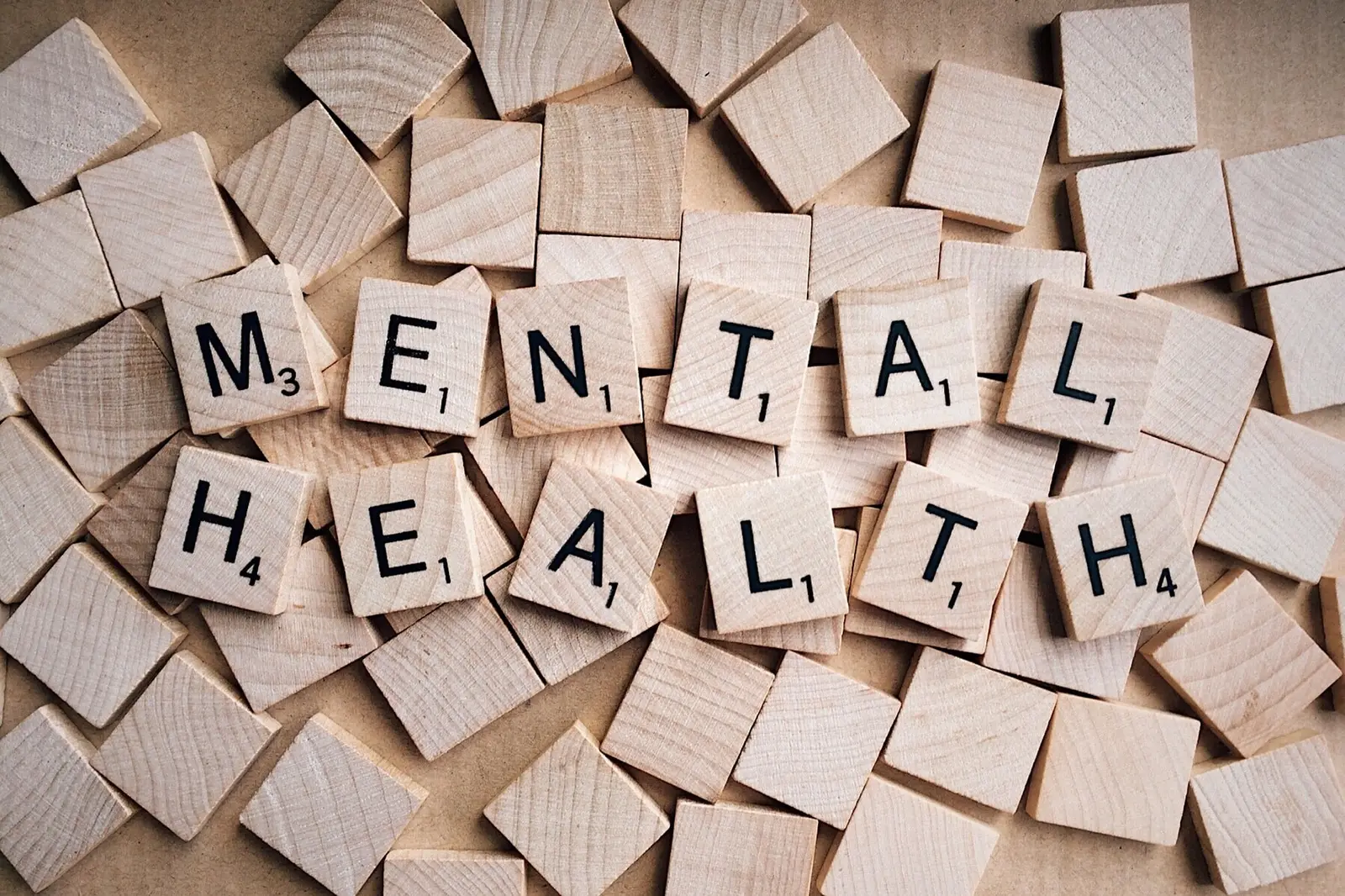
Mental health resources
People who come to Ambrosia are often facing complex emotional, psychological, and behavioral challenges that extend far beyond a single diagnosis. Effective recovery and long-term stability require a full continuum of mental health resources designed to support the whole person, not just one symptom or one moment in time.
Mental health is deeply connected to physical health, family systems, trauma history, substance use, and social stability. By integrating evidence-based care, advanced therapeutic modalities, and compassionate clinical leadership, Ambrosia offers mental health resources designed to meet individuals where they are and guide them toward sustainable healing.
The goal is not simply symptom reduction, but the development of insight, emotional regulation, resilience, and functional life skills that can be sustained well after treatment ends.
Integrated care for dual diagnosis
Many individuals seeking care at Ambrosia have a dual diagnosis — managing both a mental health condition and a substance use disorder at the same time. Depression, anxiety, trauma-related disorders, and mood disorders often fuel substance use as people attempt to self-medicate emotional pain, while substance use worsens psychiatric symptoms in turn.
Ambrosia's integrated resources allow clinical teams to coordinate psychiatric care, therapy, and medical services in a unified treatment plan. Individuals are not asked to choose which issue to address first — recovery and mental wellness are supported together.
Assessment, therapy, and psychiatric care
Every individual begins with a thorough clinical assessment — psychiatric evaluations, medical history reviews, psychological screenings, trauma assessments, and substance use evaluations — so that treatment is never generic or standardized.
- Evidence-based therapy
Cognitive behavioral therapy challenges distorted thinking; dialectical behavior therapy supports emotional regulation and distress tolerance; trauma-informed therapies address past traumatic experiences in a safe, structured environment.
Psychiatric services and medication management
Psychiatrists monitor symptoms, evaluate medication effectiveness, and coordinate with therapists and medical providers to support overall stability.
Holistic and experiential resources
Mindfulness practices, stress management training, wellness education, and experiential therapies that offer alternative pathways for emotional processing.
Integrated medical oversight
Medical professionals collaborate with psychiatric and therapeutic teams to identify health conditions — sleep disorders, chronic pain, hormonal imbalances — that influence mental health symptoms.
Family and relationship-centered support
Mental health challenges rarely affect only one person. Family-centered resources support communication, education, and relational healing — helping loved ones understand conditions, recognize early warning signs, and provide effective support without enabling harmful behaviors.
Family therapy sessions create structured opportunities to address past conflicts, rebuild trust, and establish healthier boundaries.
Long-term recovery and relapse prevention
Effective mental health resources extend beyond the treatment environment. Aftercare planning is built into every discharge plan, connecting individuals to outpatient therapy, psychiatric services, community resources, and peer support networks.
Individuals learn to recognize emotional triggers, identify early warning signs of deterioration, and implement structured coping strategies when stress rises — so progress is maintained and challenges are addressed before they become crises.
Ready to talk with admissions?
Admissions is available 24/7 to answer questions about mental health and substance use treatment options.