The question “Is Addiction Genetic?” is one of the most important and complex topics in modern behavioral health. At Ambrosia Behavioral Health, understanding the role genetics play in substance use disorders is essential to developing effective, individualized treatment plans. Addiction is not caused by a single factor. It is the result of an intricate interaction between biology, environment, psychology, and life experience. Genetics can significantly influence a person’s vulnerability to addiction, but they do not determine destiny. Instead, they shape risk, response, and recovery potential.
Understanding the Biology of Addiction
Addiction is widely recognized as a chronic brain disorder that affects how the brain processes reward, motivation, and decision-making. Substances such as opioids, alcohol, stimulants, and sedatives alter the brain’s chemistry, particularly in areas responsible for pleasure and reinforcement. Dopamine, a neurotransmitter associated with reward, plays a central role in this process. When substances flood the brain with dopamine, they create intense feelings of pleasure, reinforcing repeated use.
Over time, the brain adapts to these surges. It reduces natural dopamine production and becomes dependent on the substance to feel normal. This shift leads to cravings, compulsive use, and difficulty controlling behavior despite negative consequences. Genetic factors can influence how quickly and intensely these changes occur, which is why some individuals develop addiction more rapidly than others.
The Genetic Component of Addiction
Research consistently shows that genetics account for approximately 40 to 60 percent of a person’s risk for developing addiction. This means that individuals with a family history of substance use disorders are significantly more likely to struggle with addiction themselves. However, the phrase “Is Addiction Genetic?” does not imply a single gene causes addiction. Instead, multiple genes contribute to increased susceptibility.
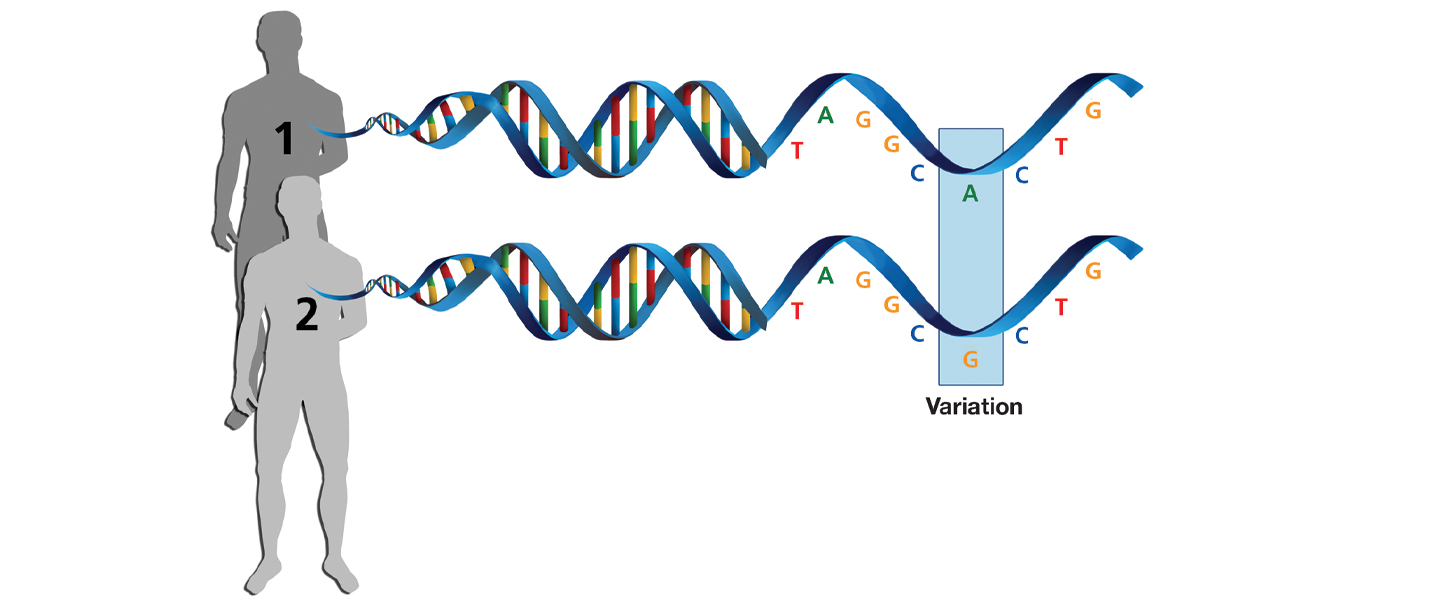
These genes influence several biological functions, including how the brain responds to substances, how quickly drugs are metabolized, and how strongly a person experiences reward or stress. For example, some individuals may inherit a heightened sensitivity to dopamine, making the effects of drugs or alcohol more reinforcing. Others may have genetic variations that impair impulse control or increase anxiety, both of which can contribute to substance use.
Family History and Patterns of Addiction
Family history is one of the strongest indicators of genetic risk. When addiction appears across multiple generations, it often reflects both inherited traits and shared environmental influences. Children raised in households where substance use is normalized may be exposed to behaviors that increase their likelihood of experimenting with drugs or alcohol. At the same time, they may inherit genetic traits that make those substances more appealing or harder to quit.
It is important to understand that family patterns do not guarantee the same outcome. Many individuals with a strong family history of addiction never develop a substance use disorder. Conversely, some people with no apparent family history still struggle with addiction due to environmental stressors or personal experiences. This reinforces the idea that genetics are only one piece of a much larger puzzle.
The Role of Environment in Addiction Risk
While genetics lay the foundation, environment plays a critical role in determining whether addiction develops. Factors such as trauma, stress, peer influence, and access to substances can significantly impact a person’s risk. Early exposure to drugs or alcohol, particularly during adolescence, increases the likelihood of developing addiction later in life.
Stressful life events, including abuse, neglect, or significant loss, can also contribute to substance use as a coping mechanism. Individuals with genetic vulnerabilities may be especially sensitive to these environmental triggers. For example, someone with a genetic predisposition toward anxiety may turn to alcohol or sedatives to manage their symptoms, increasing the risk of dependence.
The interaction between genes and environment is often described as “gene-environment interplay.” This concept highlights that genetic predisposition does not act in isolation. Instead, it interacts dynamically with life experiences to shape behavior and outcomes.
Epigenetics and the Expression of Addiction
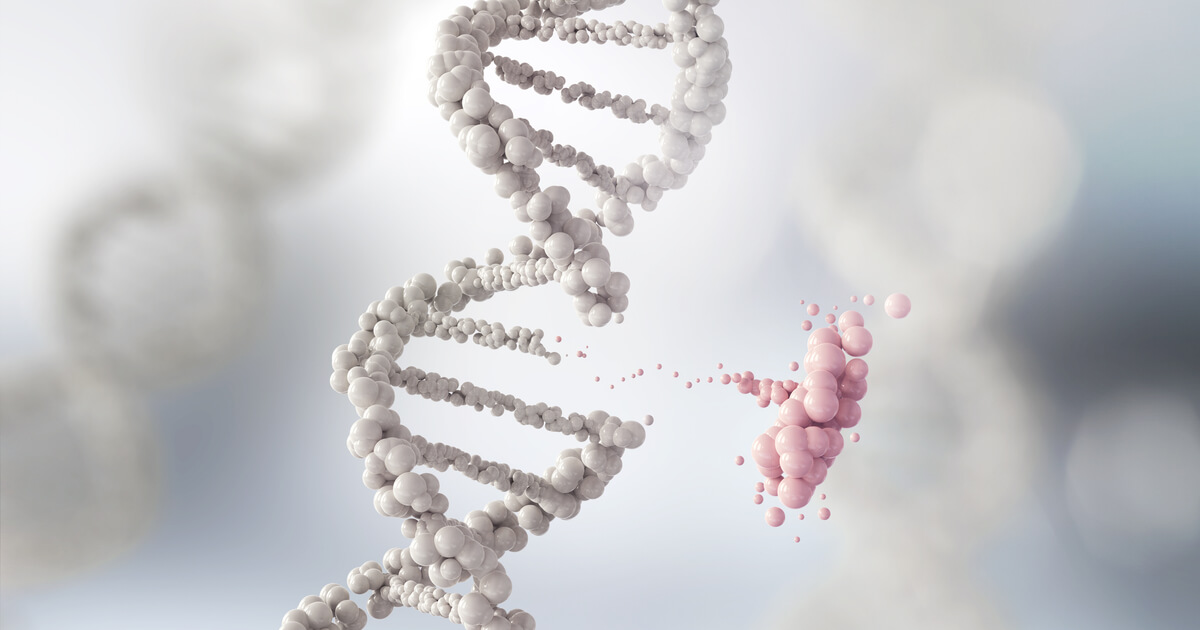
One of the most exciting developments in understanding “Is Addiction Genetic?” is the field of epigenetics. Epigenetics refers to changes in gene expression that occur without altering the underlying DNA sequence. These changes can be influenced by environmental factors such as stress, diet, trauma, and substance use.
Epigenetic modifications can turn certain genes on or off, affecting how the body responds to substances and stress. For example, chronic stress may activate genes associated with anxiety and depression, increasing vulnerability to addiction. Similarly, prolonged substance use can alter gene expression in ways that reinforce addictive behaviors.
What makes epigenetics particularly important is that some of these changes can be passed down to future generations. This means that the effects of addiction may extend beyond the individual, influencing the biological risk of their সন্তান or descendants.
Mental Health and Genetic Overlap
Addiction often co-occurs with mental health conditions such as depression, anxiety, bipolar disorder, and post-traumatic stress disorder. These conditions share common genetic pathways, which helps explain why they frequently appear together. Individuals with a genetic predisposition to mental health disorders may use substances as a form of self-medication, increasing the risk of addiction.
This overlap highlights the importance of integrated treatment approaches. At Ambrosia Behavioral Health, addressing both addiction and underlying mental health conditions is essential for long-term recovery. Treating one without the other often leads to relapse, as the root causes of substance use remain unaddressed.
Why Some People Become Addicted and Others Do Not
One of the most common questions related to “Is Addiction Genetic?” is why some people can use substances without developing addiction while others cannot. The answer lies in the combination of genetic, environmental, and psychological factors.
Genetics may influence how pleasurable a substance feels, how quickly tolerance develops, and how severe withdrawal symptoms become. Environmental factors determine exposure, stress levels, and coping mechanisms. Psychological factors, including personality traits and mental health conditions, further shape behavior.
For example, a person with low genetic risk but high environmental stress may still develop addiction. Conversely, someone with high genetic risk but strong protective factors, such as a supportive family and healthy coping skills, may avoid addiction altogether. This variability underscores the complexity of substance use disorders.
Early Warning Signs and Genetic Awareness
Understanding genetic risk can help individuals recognize early warning signs of addiction. These may include increased tolerance, difficulty controlling use, cravings, and continued use despite negative consequences. For those with a family history of addiction, being aware of these signs is especially important.
Genetic awareness can also guide prevention efforts. Individuals who know they are at higher risk may choose to avoid certain substances altogether or use them with caution. Education and early intervention can significantly reduce the likelihood of developing a substance use disorder.
The Role of Personalized Treatment
Advances in genetics and neuroscience are transforming how addiction is treated. Personalized treatment approaches take into account an individual’s genetic makeup, mental health history, and environmental factors. This allows for more targeted and effective interventions.
At Ambrosia Behavioral Health, treatment plans are designed to address the unique needs of each individual. This may include medical detox, inpatient care, outpatient programs, and specialized therapies. By considering genetic and biological factors, clinicians can better predict how a person will respond to certain medications or therapies.
For example, some medications used in addiction treatment may be more effective for individuals with specific genetic profiles. Understanding these differences can improve outcomes and reduce the risk of relapse.
Breaking the Cycle of Addiction
One of the most important messages in the discussion of “Is Addiction Genetic?” is that genetic risk does not mean inevitability. Addiction can be prevented, managed, and treated. With the right support, individuals can break the cycle of addiction and build healthier, more fulfilling lives.
Breaking this cycle often involves addressing both biological and environmental factors. Therapy can help individuals develop healthier coping mechanisms, while medical treatment can address the physical aspects of addiction. Support systems, including family, peers, and community resources, play a critical role in sustaining recovery.
Education is also a powerful tool. Understanding how genetics and environment interact empowers individuals to make informed decisions about their health and well-being.

Frequently Asked Questions About “Is Addiction Genetic?”
Is addiction genetic or learned behavior?
Addiction is both genetic and influenced by learned behavior. Genetics can account for roughly 40 to 60 percent of a person’s risk, but environment, upbringing, and personal experiences also play a major role. Someone may inherit a biological vulnerability, but exposure to substances, stress, and coping habits learned over time often determine whether addiction develops.
If my parents are addicted, will I become addicted?
Having parents with addiction increases your risk, but it does not guarantee the same outcome. Many individuals with a strong family history never develop a substance use disorder. Protective factors such as strong support systems, healthy coping mechanisms, and avoiding early substance use can significantly reduce your risk.
What genes are responsible for addiction?
There is no single “addiction gene.” Instead, multiple genes influence how the brain responds to substances, regulates dopamine, and manages stress and impulse control. These genetic variations can increase susceptibility but do not directly cause addiction on their own.
Can addiction skip generations?
Yes, addiction can appear to skip generations. This can happen because genetic traits may not always be expressed the same way in every individual. Environmental differences between generations can also influence whether genetic risk leads to actual substance use disorders.
Are some people born more likely to become addicted?
Yes, some individuals are born with a higher genetic predisposition. This may include heightened sensitivity to reward, lower impulse control, or increased vulnerability to stress and anxiety. These traits can make substances feel more reinforcing or harder to stop once use begins.
How does environment influence genetic risk?
Environment can either increase or decrease genetic risk. Exposure to trauma, high stress, or early substance use can activate underlying vulnerabilities. On the other hand, supportive relationships, education, and healthy coping strategies can reduce the likelihood that genetic risk leads to addiction.
Is alcoholism more genetic than other addictions?
Alcohol use disorder has been extensively studied and shows a strong genetic component, similar to other substance use disorders. However, the degree of genetic influence can vary depending on the substance, individual biology, and environmental factors.
Can genetic testing determine if I will become addicted?
Genetic testing can identify certain risk factors, but it cannot predict with certainty whether someone will develop addiction. It may provide insight into biological tendencies, but behavior, environment, and life choices remain critical factors.
Does addiction affect brain chemistry permanently?
Addiction can cause long-term changes in brain chemistry, particularly in areas related to reward, motivation, and decision-making. However, the brain is capable of healing over time. With sustained recovery and proper treatment, many of these changes can improve significantly.
Sources and Resources
Sources for “Is Addiction Genetic?”
The following authoritative sources support the research and clinical understanding behind the question “Is Addiction Genetic?” and the role of biology, environment, and neuroscience in substance use disorders:
National Institute on Drug Abuse (NIDA)
https://nida.nih.gov
NIDA provides extensive research on the genetic, environmental, and developmental factors that contribute to addiction. Their findings consistently show that genetics account for approximately 40–60% of addiction risk.
National Institute on Alcohol Abuse and Alcoholism (NIAAA)
https://www.niaaa.nih.gov
NIAAA offers detailed studies on alcohol use disorder, including genetic predisposition, family history, and biological mechanisms influencing addiction.
Substance Abuse and Mental Health Services Administration (SAMHSA)
https://www.samhsa.gov
SAMHSA provides national data, prevention frameworks, and clinical guidance on substance use disorders, including the interaction between genetics and environmental risk factors.
Centers for Disease Control and Prevention (CDC)
https://www.cdc.gov
The CDC outlines addiction as a public health issue and discusses contributing factors such as genetics, mental health, and social determinants.
American Society of Addiction Medicine (ASAM)
https://www.asam.org
ASAM defines addiction as a chronic brain disease and emphasizes the biological and genetic components that influence its development and progression.
National Institutes of Health (NIH)
https://www.nih.gov
NIH supports and publishes research on genetics, epigenetics, and brain function related to addiction and mental health disorders.
Harvard Medical School – Harvard Health Publishing
https://www.health.harvard.edu
Harvard Health explains how genetic variations influence dopamine systems, impulse control, and susceptibility to addiction.
Mayo Clinic
https://www.mayoclinic.org
Mayo Clinic provides clinical overviews of substance use disorders, including risk factors such as genetics, environment, and mental health conditions.
American Psychiatric Association (APA)
https://www.psychiatry.org
APA publishes the DSM-5-TR criteria for substance use disorders and discusses genetic and neurobiological contributions to addiction.
Nature Reviews Neuroscience / Nature Genetics (Journals)
https://www.nature.com
Peer-reviewed journals that publish advanced research on the genetic and epigenetic mechanisms underlying addiction and brain function.
Frontiers in Psychiatry / Frontiers in Neuroscience
https://www.frontiersin.org
These journals include open-access studies on addiction genetics, brain circuitry, and co-occurring mental health disorders.
Journal of Substance Abuse Treatment
https://www.journals.elsevier.com/journal-of-substance-abuse-treatment
Provides clinical research on treatment approaches, including how genetic and biological factors influence recovery outcomes.