

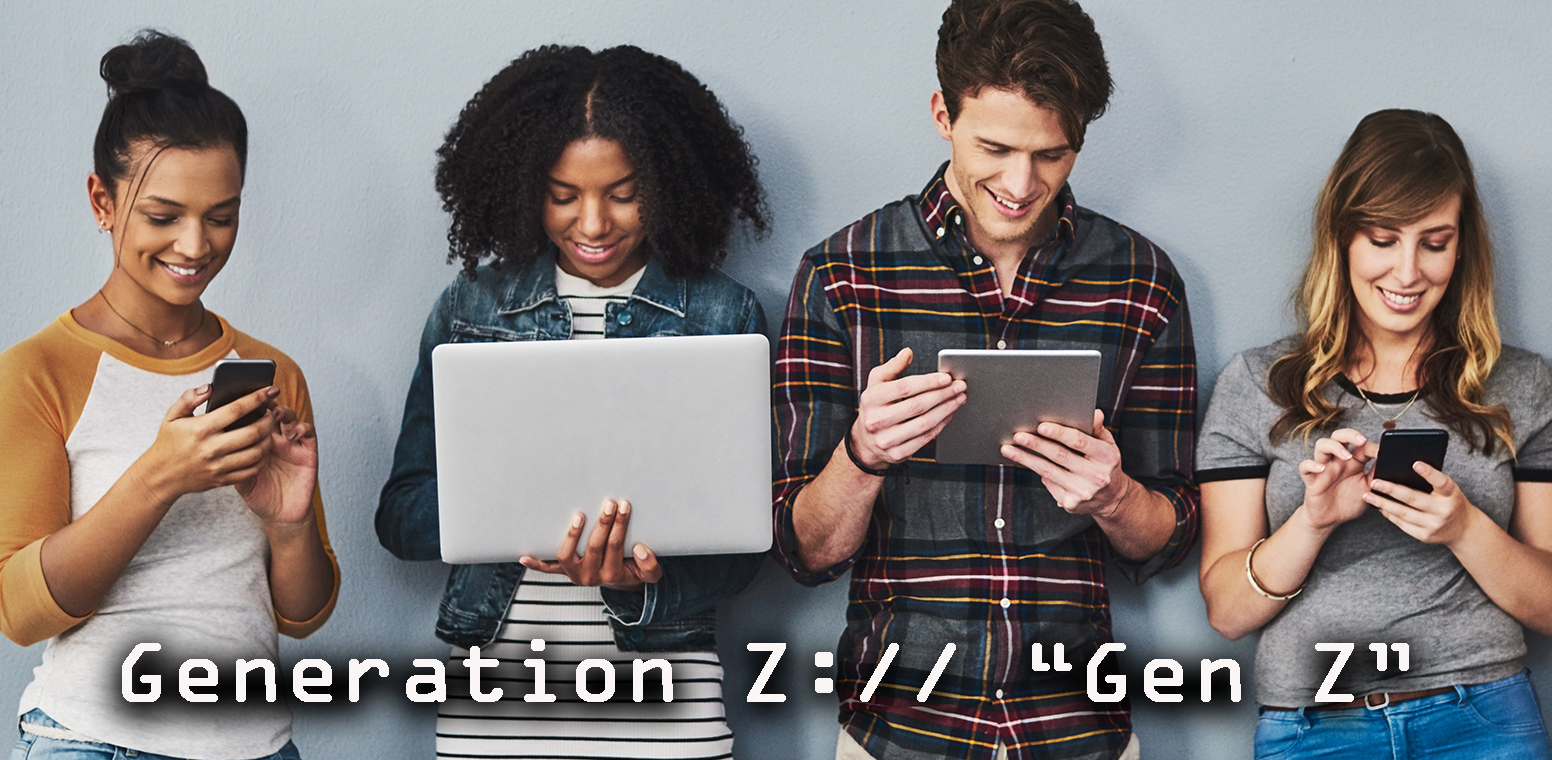
What Generation Am I if I was born in a specific year?
If you are asking “what Generation Am I?”, your birth year determines your generational category. Baby Boomers are typically born between 1946 and 1964, Generation X between 1965 and 1980, Millennials between 1981 and 1996, Generation Z between 1997 and 2012, and Generation Alpha from 2013 onward. These ranges may vary slightly depending on the source, but they provide a reliable framework for understanding generational identity.
Why does “what Generation Am I?” matter for mental health?
Understanding “what Generation Am I?” helps identify the cultural, economic, and technological influences that shaped your development. These factors impact how you respond to stress, form relationships, and cope with challenges. Mental health patterns often align with generational experiences, making this question important for self-awareness and treatment planning.
Which generation has the highest rates of mental illness?
While mental illness exists across all generations, Generation Z currently reports the highest rates of anxiety, depression, and suicidal ideation. Millennials also experience significant mental health challenges, often related to financial stress and social pressures. However, older generations may have underreported mental health issues due to stigma, making comparisons complex.
How does generational trauma contribute to addiction?
Generational trauma refers to shared experiences of stress, hardship, or instability that affect an entire age group. When individuals lack healthy coping mechanisms, they may turn to substances or behaviors to manage emotional pain. Asking “what Generation Am I?” can help uncover these patterns and provide insight into addiction risk factors.
Are certain generations more prone to substance abuse?
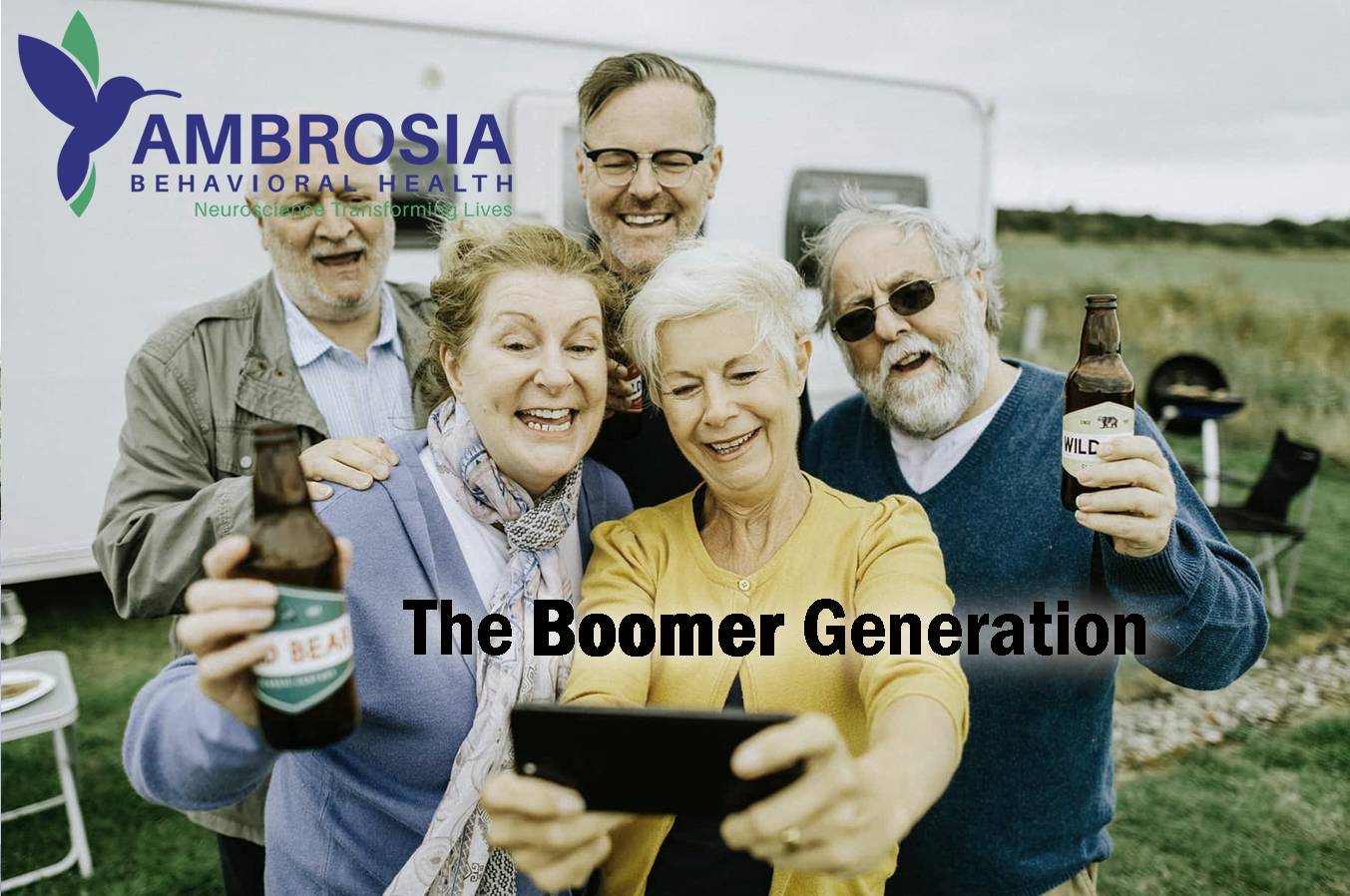
Different generations show different patterns of substance use. Baby Boomers have higher rates of prescription drug misuse, Generation X has historically struggled with alcohol and substance use tied to stress, Millennials show patterns of alcohol and stimulant use, and Generation Z is experiencing increased rates of vaping, cannabis use, and behavioral addictions like social media dependency.
How has technology influenced addiction across generations?
Technology plays a major role in modern addiction patterns. Millennials and Generation Z, who grew up with digital devices, are more likely to experience behavioral addictions such as social media overuse, gaming, and screen dependency. These behaviors can impact mental health by increasing anxiety, disrupting sleep, and reducing real-world social interaction.
Can knowing “what Generation Am I?” improve treatment outcomes?
Yes, understanding “what Generation Am I?” allows healthcare providers to tailor treatment approaches to the individual’s background and communication style. Generational awareness helps clinicians choose therapies, engagement strategies, and support systems that resonate more effectively, improving recovery outcomes.
Why do older generations struggle to seek mental health treatment?
Older generations, particularly Baby Boomers and some in Generation X, were raised during a time when mental health was stigmatized. Many were taught to suppress emotions and avoid seeking help. This cultural conditioning can make it difficult for them to access care, even when they are experiencing significant mental health challenges.
Resources and Sources
Younger generations such as Millennials and Generation Z report significantly higher rates of anxiety and depression compared to older cohorts. This trend is supported by research published through the National Institutes of Health, which highlights rising mental health concerns among younger populations.
Read more: https://pmc.ncbi.nlm.nih.gov/articles/PMC9934502/
Generation Z consistently shows the highest prevalence of mental health challenges, including anxiety and depression, according to peer-reviewed findings available on ScienceDirect.
Read more: https://www.sciencedirect.com/science/article/abs/pii/S0165032725018014
A large percentage of Generation Z reports at least one mental health condition, as outlined by the Annie E. Casey Foundation, emphasizing the urgency of addressing youth mental health.
Read more: https://www.aecf.org/blog/generation-z-and-mental-health
Generation Z is more likely than other generations to report poor mental health outcomes, with additional insights from Children’s Hope Alliance.
Read more: https://www.childrenshopealliance.org/archives/16966
Mental health awareness and literacy have increased among younger generations due to internet access and digital exposure, as discussed in studies indexed by the National Library of Medicine.
Read more: https://pmc.ncbi.nlm.nih.gov/articles/PMC9129327/
Millennials show elevated rates of substance use disorders, including alcohol and opioid misuse, according to data compiled by American Addiction Centers.
Read more: https://americanaddictioncenters.org/rehab-guide/addiction-statistics-demographics/by-generation
Addiction rates and drug-related deaths have increased among Millennials, as reported by Addiction Center.
Read more: https://www.addictioncenter.com/community/millennials-higher-risk-developing-addiction/
Binge drinking and substance use trends across generations are analyzed in research hosted by the National Institutes of Health.
Read more: https://pmc.ncbi.nlm.nih.gov/articles/PMC6016915/
Substance use patterns differ by generation, including prescription drug misuse among Baby Boomers and vaping trends in Generation Z, as explored by The Bluff Augusta.
Read more: https://www.bluffaugusta.com/drug-use-across-generations-from-baby-boomers-to-gen-z/
Alcohol consumption trends across generations, including increases among older adults and shifts among younger individuals, are outlined by Alcohol Help.
Read more: https://www.alcoholhelp.com/blog/alcohol-consumption-generations/
Emerging trends in drug and alcohol use across generations are detailed by Pyramid Healthcare.
Read more: https://www.pyramid-healthcare.com/blog/2026/02/04/shifts-in-drug-and-alcohol-use-by-generation-what-the-data-is-revealing/
Generation Z reports significantly higher stress levels than previous generations, according to findings from the American Psychological Association.
Read more: https://www.apa.org/monitor/2019/01/gen-z
Technology, social media, and global stressors are major contributors to mental health challenges in younger generations, as discussed by Peachey Counselling.
Read more: https://www.peacheycounselling.ca/blog/2024/generational-differences-in-mental-health
Generational perspectives on mental health are shaped by cultural and societal changes, according to Oaks Integrated Care.
Read more: https://oaksintcare.org/understanding-generational-views-on-mental-health/