
Life Skills in Recovery at Ambrosia Behavioral Health

Life Skills in Recovery at Ambrosia Behavioral Health in Florida

The Critical Role of Life Skills in Long-Term Recovery

Life Skills are the foundation upon which sustainable recovery is built. While detoxification and clinical therapy address the physical and psychological dimensions of addiction, Life Skills determine whether an individual can translate insight into action in real-world environments. At Ambrosia Behavioral Health, Life Skills are not treated as a secondary or optional component of care. They are integrated into every phase of treatment as a core strategy for helping clients rebuild independence, purpose, and resilience.

Addiction disrupts routines, erodes self-trust, and often leaves individuals unprepared for the demands of daily life. Even highly motivated individuals can relapse if they lack the practical competencies to manage stress, communicate effectively, regulate emotions, maintain employment, or build healthy relationships. Life Skills training addresses these vulnerabilities directly. It transforms recovery from an abstract goal into a structured, actionable process that unfolds day by day.

At Ambrosia Behavioral Health, Life Skills are framed not as remedial training, but as empowerment tools. Clients are guided to reclaim their agency, strengthen their decision-making capacity, and develop habits that support long-term sobriety. By integrating Life Skills into clinical programming, Ambrosia creates a bridge between therapeutic insight and real-world functionality, ensuring that recovery extends far beyond the walls of treatment.

A Holistic Philosophy of Life Skills Development

Ambrosia Behavioral Health approaches Life Skills from a holistic, neuroscience-informed perspective. The program recognizes that addiction alters brain circuitry involved in impulse control, reward processing, emotional regulation, and executive functioning. Life Skills training is designed to help rewire these systems through repetition, experiential learning, and real-time feedback.

Rather than offering isolated workshops, Ambrosia embeds Life Skills into daily structure. Clients practice skills in live settings, reflect on outcomes, and refine their strategies with clinical guidance. This process strengthens neural pathways associated with planning, self-regulation, and adaptive behavior. Over time, Life Skills become internalized patterns rather than external rules.

This philosophy acknowledges that recovery is not merely the absence of substance use, but the presence of functional, fulfilling life systems. Life Skills training addresses personal, social, vocational, emotional, and cognitive domains simultaneously. Each skill reinforces the others, creating a stable ecosystem that supports long-term sobriety.

Emotional Regulation and Stress Management

One of the most essential Life Skills in recovery is emotional regulation. Substance use often becomes a maladaptive coping mechanism for managing anxiety, anger, shame, grief, or loneliness. Without new emotional tools, individuals remain vulnerable to relapse when stress arises.

At Ambrosia Behavioral Health, clients are trained in emotional literacy, learning to identify, label, and understand their internal states. This awareness is the first step toward regulation. Through guided practice, clients develop strategies such as controlled breathing, grounding exercises, cognitive reframing, and mindfulness-based interventions.

Stress management is taught as a proactive discipline rather than a reactive fix. Clients learn to recognize early warning signs of emotional overload and implement stabilizing routines before crises escalate. Life Skills training emphasizes consistency over intensity, helping clients build daily habits that buffer against emotional volatility.

By mastering emotional regulation, clients gain a sense of internal control that reduces the perceived need for substances. This Life Skills domain becomes a cornerstone of relapse prevention and psychological resilience.

Communication and Interpersonal Effectiveness

Addiction often damages communication patterns and interpersonal trust. Many individuals enter recovery with strained family relationships, unresolved conflicts, and limited experience with healthy boundary-setting. Life Skills training at Ambrosia Behavioral Health addresses these relational deficits directly.

Clients are guided through structured communication exercises that teach assertiveness, active listening, emotional honesty, and respectful disagreement. Role-playing scenarios allow individuals to practice difficult conversations in a safe environment before applying these skills in real life.

Boundary-setting is emphasized as a protective Life Skill. Clients learn to identify unhealthy dynamics, recognize codependent behaviors, and articulate personal limits without guilt or aggression. These competencies are critical for navigating relationships that may trigger cravings or emotional distress.

Interpersonal effectiveness training also focuses on rebuilding social networks that support sobriety. Clients are encouraged to develop sober friendships, engage in peer accountability, and seek mentorship within recovery communities. Life Skills in communication empower individuals to replace isolation with connection, which is one of the strongest predictors of long-term recovery success.
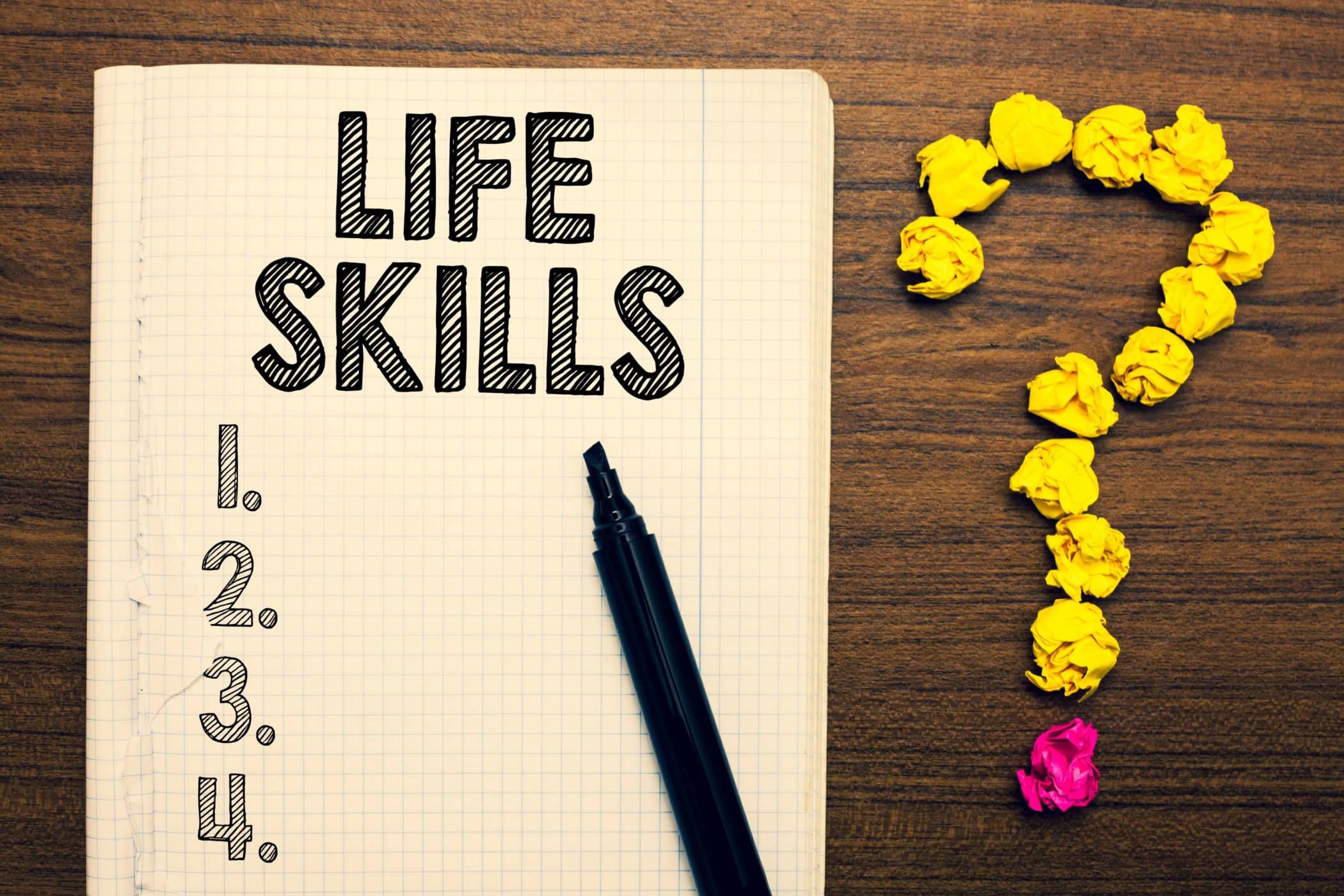
Life Skills in Recovery Treatment

Time Management and Daily Structure

Unstructured time is a common relapse trigger. Without routines, individuals may experience boredom, restlessness, or decision fatigue, all of which increase vulnerability to substance use. Life Skills training at Ambrosia Behavioral Health prioritizes the development of structured daily living systems.

Clients learn how to design realistic schedules that balance self-care, therapy, work, social engagement, and rest. Time-blocking techniques help individuals allocate attention intentionally rather than reacting impulsively to external demands.

Goal-setting is integrated into time management training. Clients are guided to establish short-term, medium-term, and long-term goals that align with their values and recovery priorities. These goals are broken into actionable steps that create a sense of momentum and purpose.

By mastering time management Life Skills, clients regain a sense of control over their environment. Daily structure becomes a stabilizing force that reduces chaos and reinforces accountability. Over time, these routines evolve into lifestyle patterns that support sustained sobriety.

Financial Literacy and Responsibility

Financial instability is both a cause and consequence of addiction. Debt, unemployment, and impulsive spending behaviors can create chronic stress that undermines recovery. Life Skills training at Ambrosia Behavioral Health includes comprehensive financial literacy education to address these challenges.

Clients are taught foundational budgeting principles, expense tracking methods, and savings strategies. They learn how to prioritize essential expenses, reduce discretionary spending, and plan for future financial goals. This training emphasizes practical application rather than abstract theory.

Financial responsibility is framed as a form of self-respect and empowerment. Clients explore the emotional drivers of financial behaviors, such as impulsivity, avoidance, or shame. By addressing these psychological patterns alongside practical skills, Ambrosia helps individuals build healthier relationships with money.

This Life Skills domain reduces financial stressors that often contribute to relapse. It also supports vocational stability, housing security, and long-term independence, all of which are critical pillars of recovery.

Vocational Skills and Career Readiness

Employment provides structure, financial stability, and a sense of identity, all of which are protective factors in recovery. Life Skills training at Ambrosia Behavioral Health includes career readiness programming designed to help clients re-enter or advance within the workforce.

Clients receive guidance in resume development, interview preparation, workplace communication, and professional conduct. They explore career interests and transferable skills that align with their strengths and recovery goals.

Vocational Life Skills training also addresses workplace stress management and boundary-setting. Clients learn how to navigate professional pressures without resorting to substances. They develop strategies for handling conflict, managing workloads, and maintaining work-life balance.

By integrating vocational development into Life Skills programming, Ambrosia empowers clients to build sustainable careers that reinforce sobriety rather than undermine it. Employment becomes a source of purpose rather than a trigger for relapse.

Decision-Making and Problem-Solving

Addiction often impairs executive functioning, leading to impulsive decision-making and ineffective problem-solving. Life Skills training at Ambrosia Behavioral Health focuses on restoring these cognitive capacities through structured interventions.

Clients learn systematic decision-making frameworks that emphasize pausing, evaluating options, considering consequences, and aligning choices with long-term goals. This process retrains the brain to prioritize delayed rewards over immediate gratification.

Problem-solving skills are taught through real-world scenarios that mirror common recovery challenges. Clients practice identifying problems, generating solutions, evaluating risks, and implementing action plans. These exercises build confidence and self-efficacy.

By strengthening decision-making Life Skills, clients gain the tools needed to navigate high-risk situations without resorting to substances. This cognitive resilience is a critical determinant of long-term recovery outcomes.

Life Skills in Alcohol and addiction Treatment

Self-Care and Physical Wellness

Physical health and recovery are deeply interconnected. Substance use often depletes the body, disrupts sleep patterns, and weakens immune function. Life Skills training at Ambrosia Behavioral Health emphasizes self-care as a foundational recovery practice.

Clients are educated about nutrition, hydration, exercise, and sleep hygiene. They learn how to design personalized wellness routines that support energy levels, mood stability, and cognitive performance.

Self-care is reframed as a non-negotiable Life Skill rather than an indulgence. Clients explore the psychological barriers to self-care, such as guilt, perfectionism, or neglect. By addressing these internal obstacles, Ambrosia helps individuals build sustainable wellness habits.

Physical wellness Life Skills enhance overall treatment outcomes by improving emotional regulation, cognitive clarity, and stress tolerance. These benefits create a positive feedback loop that strengthens sobriety.

Relapse Prevention and Risk Management

Relapse prevention is not a single intervention, but an integrated Life Skills framework. At Ambrosia Behavioral Health, clients develop personalized relapse prevention plans that synthesize emotional, cognitive, social, and behavioral strategies.

Clients learn to identify personal triggers, early warning signs, and high-risk environments. They practice implementing coping strategies in simulated scenarios to build confidence and automaticity.

Risk management training emphasizes proactive planning rather than reactive crisis response. Clients develop contingency plans for common challenges such as relationship conflicts, job stress, or social pressures. These plans reduce uncertainty and enhance perceived control.

By embedding relapse prevention into Life Skills training, Ambrosia equips clients with a comprehensive defense system against future setbacks. Recovery becomes a dynamic process of continuous adaptation rather than a fragile state of abstinence.

Integration of Life Skills into Ambrosia’s Clinical Model

Life Skills training at Ambrosia Behavioral Health is not isolated from clinical therapy. It is fully integrated into evidence-based treatment modalities such as cognitive behavioral therapy, dialectical behavior therapy, trauma-informed care, and medication-assisted treatment.

Therapists reinforce Life Skills concepts during individual and group sessions. Clients apply these skills to real-time emotional challenges and interpersonal dynamics. This integration ensures that Life Skills are not theoretical constructs, but living practices that evolve alongside clinical progress.

The interdisciplinary treatment team collaborates to align Life Skills training with each client’s personalized care plan. This coordination enhances treatment coherence and maximizes therapeutic impact.

By embedding Life Skills into every dimension of care, Ambrosia creates a unified recovery ecosystem that addresses both internal healing and external functionality.

Life Skills as a Pathway to Identity Reconstruction

Addiction often fractures personal identity, replacing values with compulsive behaviors. Life Skills training at Ambrosia Behavioral Health supports identity reconstruction by helping clients redefine who they are beyond substance use.

Clients explore their values, strengths, and aspirations through guided reflection. They develop Life Skills that align with these emerging identities, reinforcing a sense of coherence and purpose.

This process transforms recovery from a defensive stance into a creative endeavor. Clients are not merely avoiding substances; they are actively building lives worth protecting. Life Skills become expressions of personal agency rather than compliance with external rules.

Identity reconstruction enhances motivation and resilience. When individuals see themselves as capable, competent, and purposeful, they are more likely to sustain long-term sobriety.

Preparing for Life Beyond Treatment

Transitioning from residential or intensive outpatient care to independent living is a vulnerable period. Life Skills training at Ambrosia Behavioral Health is specifically designed to support this transition.

Clients participate in discharge planning that integrates Life Skills into post-treatment routines. They establish daily schedules, support networks, and accountability systems that continue beyond formal care.

Aftercare programming reinforces Life Skills through alumni support groups, outpatient services, and digital resources. This continuity ensures that skills are maintained and refined over time.

By prioritizing Life Skills as a bridge to independence, Ambrosia reduces the risk of post-treatment relapse and enhances long-term recovery stability.

The Transformational Impact of Life Skills Training

Life Skills training at Ambrosia Behavioral Health produces measurable improvements in self-efficacy, emotional regulation, vocational stability, and interpersonal functioning. These outcomes translate into lower relapse rates and higher quality of life for graduates.

Clients report increased confidence in their ability to handle stress, make decisions, and maintain healthy relationships. They experience reduced anxiety, improved financial stability, and greater occupational satisfaction.

These transformations are not incidental; they are the direct result of systematic Life Skills development. By addressing the practical dimensions of recovery alongside clinical treatment, Ambrosia creates a comprehensive healing environment.

Life Skills are not supplemental. They are central to recovery success.

Why Life Skills at Ambrosia Behavioral Health Set a New Standard

Ambrosia Behavioral Health distinguishes itself through its integrated, neuroscience-informed, and personalized approach to Life Skills training. The program recognizes that sustainable recovery requires more than abstinence. It requires competence, confidence, and connection.

By embedding Life Skills into daily programming, aligning them with clinical therapy, and reinforcing them through aftercare, Ambrosia creates a continuity of growth that extends beyond treatment.

This comprehensive model empowers individuals to reclaim their lives with clarity, structure, and purpose. Life Skills become the architecture of a new future rather than a checklist of tasks.

At Ambrosia Behavioral Health, Life Skills are not taught. They are lived.

FAQ Section for Life Skills in Recovery

What are Life Skills in recovery?

Life Skills in recovery are the practical, emotional, cognitive, and social abilities people need to function successfully in everyday life without relying on substances. At Ambrosia Behavioral Health, Life Skills include emotional regulation, communication, time management, financial literacy, decision-making, self-care, vocational readiness, and relapse prevention. These skills help transform recovery from a short-term treatment experience into a sustainable lifestyle.

Why are Life Skills important in addiction treatment?

Life Skills are essential because addiction often disrupts daily routines, emotional stability, relationships, and personal responsibility. Even after detox and therapy, individuals may struggle if they lack the tools to manage stress, solve problems, or structure their lives. Life Skills training at Ambrosia Behavioral Health addresses these gaps, reducing relapse risk and increasing long-term recovery success.

How does Ambrosia Behavioral Health teach Life Skills?

Ambrosia Behavioral Health integrates Life Skills into daily treatment programming rather than offering them as isolated classes. Clients practice skills in real-world scenarios, reflect on outcomes with therapists, and refine strategies through guided feedback. This experiential approach helps Life Skills become natural habits instead of abstract concepts.

Are Life Skills training and therapy separate programs?

No, Life Skills training is fully integrated into Ambrosia’s clinical model. Therapists reinforce Life Skills during individual and group therapy using evidence-based approaches such as cognitive behavioral therapy and dialectical behavior therapy. This integration ensures that emotional healing and practical functioning develop together.

What types of Life Skills are taught at Ambrosia Behavioral Health?

Life Skills training at Ambrosia includes emotional regulation, stress management, communication, boundary-setting, time management, financial responsibility, career readiness, decision-making, problem-solving, self-care, physical wellness, and relapse prevention. These skills are personalized to each client’s needs and recovery goals.

How do Life Skills help prevent relapse?

Life Skills reduce relapse risk by equipping individuals with tools to handle triggers, stress, and high-risk situations. Clients learn how to recognize early warning signs, regulate emotions, set healthy boundaries, and make thoughtful decisions. By strengthening these capacities, Life Skills create stability and resilience in daily life.

How long does it take to develop Life Skills in recovery?

Life Skills development is an ongoing process that begins during treatment and continues after discharge. At Ambrosia Behavioral Health, clients start practicing Life Skills daily while in care and continue refining them through aftercare programs and alumni support. Consistent practice over time leads to lasting behavioral change.

Can Life Skills training help with relationships and family issues?

Yes, Life Skills training significantly improves interpersonal functioning. Clients learn assertive communication, active listening, conflict resolution, and boundary-setting. These skills help repair strained relationships, build healthy support systems, and reduce emotional triggers that often contribute to relapse.

Do Life Skills programs continue after treatment at Ambrosia Behavioral Health?

Yes, Ambrosia offers aftercare services that reinforce Life Skills beyond residential or outpatient treatment. Alumni support groups, ongoing therapy, and digital resources help clients maintain and strengthen their Life Skills as they transition into independent living.


Life Skills in Recovery at Ambrosia Behavioral Health

DANESH ALAM

Danesh Alam MD, DFAPA, DFASAM
Medical Reviewer

Dr. Alam is an internationally renowned psychiatrist with academic affiliations with Northwestern University and University of Illinois, Chicago where he completed his residency training. He has been a principal investigator for over forty studies and has been involved in research leading to the approval of most psychiatric medications currently on the market. He is the founder of the Neuroscience Research Institute which continues to conduct research on cutting edge medication and interventional psychiatry. Dr. Alam is a Distinguished Fellow of the American Psychiatric Association and the American Society of Addiction Medicine. He has won several awards and has been featured extensively on radio and television.

Life Skills in Recovery at Ambrosia Behavioral Health in Florida

The Critical Role of Life Skills in Long-Term Recovery

Life Skills are the foundation upon which sustainable recovery is built. While detoxification and clinical therapy address the physical and psychological dimensions of addiction, Life Skills determine whether an individual can translate insight into action in real-world environments. At Ambrosia Behavioral Health, Life Skills are not treated as a secondary or optional component of care. They are integrated into every phase of treatment as a core strategy for helping clients rebuild independence, purpose, and resilience.

Addiction disrupts routines, erodes self-trust, and often leaves individuals unprepared for the demands of daily life. Even highly motivated individuals can relapse if they lack the practical competencies to manage stress, communicate effectively, regulate emotions, maintain employment, or build healthy relationships. Life Skills training addresses these vulnerabilities directly. It transforms recovery from an abstract goal into a structured, actionable process that unfolds day by day.

At Ambrosia Behavioral Health, Life Skills are framed not as remedial training, but as empowerment tools. Clients are guided to reclaim their agency, strengthen their decision-making capacity, and develop habits that support long-term sobriety. By integrating Life Skills into clinical programming, Ambrosia creates a bridge between therapeutic insight and real-world functionality, ensuring that recovery extends far beyond the walls of treatment.

A Holistic Philosophy of Life Skills Development

Ambrosia Behavioral Health approaches Life Skills from a holistic, neuroscience-informed perspective. The program recognizes that addiction alters brain circuitry involved in impulse control, reward processing, emotional regulation, and executive functioning. Life Skills training is designed to help rewire these systems through repetition, experiential learning, and real-time feedback.

Rather than offering isolated workshops, Ambrosia embeds Life Skills into daily structure. Clients practice skills in live settings, reflect on outcomes, and refine their strategies with clinical guidance. This process strengthens neural pathways associated with planning, self-regulation, and adaptive behavior. Over time, Life Skills become internalized patterns rather than external rules.

This philosophy acknowledges that recovery is not merely the absence of substance use, but the presence of functional, fulfilling life systems. Life Skills training addresses personal, social, vocational, emotional, and cognitive domains simultaneously. Each skill reinforces the others, creating a stable ecosystem that supports long-term sobriety.

Emotional Regulation and Stress Management

One of the most essential Life Skills in recovery is emotional regulation. Substance use often becomes a maladaptive coping mechanism for managing anxiety, anger, shame, grief, or loneliness. Without new emotional tools, individuals remain vulnerable to relapse when stress arises.

At Ambrosia Behavioral Health, clients are trained in emotional literacy, learning to identify, label, and understand their internal states. This awareness is the first step toward regulation. Through guided practice, clients develop strategies such as controlled breathing, grounding exercises, cognitive reframing, and mindfulness-based interventions.

Stress management is taught as a proactive discipline rather than a reactive fix. Clients learn to recognize early warning signs of emotional overload and implement stabilizing routines before crises escalate. Life Skills training emphasizes consistency over intensity, helping clients build daily habits that buffer against emotional volatility.

By mastering emotional regulation, clients gain a sense of internal control that reduces the perceived need for substances. This Life Skills domain becomes a cornerstone of relapse prevention and psychological resilience.

Communication and Interpersonal Effectiveness

Addiction often damages communication patterns and interpersonal trust. Many individuals enter recovery with strained family relationships, unresolved conflicts, and limited experience with healthy boundary-setting. Life Skills training at Ambrosia Behavioral Health addresses these relational deficits directly.

Clients are guided through structured communication exercises that teach assertiveness, active listening, emotional honesty, and respectful disagreement. Role-playing scenarios allow individuals to practice difficult conversations in a safe environment before applying these skills in real life.

Boundary-setting is emphasized as a protective Life Skill. Clients learn to identify unhealthy dynamics, recognize codependent behaviors, and articulate personal limits without guilt or aggression. These competencies are critical for navigating relationships that may trigger cravings or emotional distress.

Interpersonal effectiveness training also focuses on rebuilding social networks that support sobriety. Clients are encouraged to develop sober friendships, engage in peer accountability, and seek mentorship within recovery communities. Life Skills in communication empower individuals to replace isolation with connection, which is one of the strongest predictors of long-term recovery success.

Life Skills in Recovery Treatment

Time Management and Daily Structure

Unstructured time is a common relapse trigger. Without routines, individuals may experience boredom, restlessness, or decision fatigue, all of which increase vulnerability to substance use. Life Skills training at Ambrosia Behavioral Health prioritizes the development of structured daily living systems.

Clients learn how to design realistic schedules that balance self-care, therapy, work, social engagement, and rest. Time-blocking techniques help individuals allocate attention intentionally rather than reacting impulsively to external demands.

Goal-setting is integrated into time management training. Clients are guided to establish short-term, medium-term, and long-term goals that align with their values and recovery priorities. These goals are broken into actionable steps that create a sense of momentum and purpose.

By mastering time management Life Skills, clients regain a sense of control over their environment. Daily structure becomes a stabilizing force that reduces chaos and reinforces accountability. Over time, these routines evolve into lifestyle patterns that support sustained sobriety.

Financial Literacy and Responsibility

Financial instability is both a cause and consequence of addiction. Debt, unemployment, and impulsive spending behaviors can create chronic stress that undermines recovery. Life Skills training at Ambrosia Behavioral Health includes comprehensive financial literacy education to address these challenges.

Clients are taught foundational budgeting principles, expense tracking methods, and savings strategies. They learn how to prioritize essential expenses, reduce discretionary spending, and plan for future financial goals. This training emphasizes practical application rather than abstract theory.

Financial responsibility is framed as a form of self-respect and empowerment. Clients explore the emotional drivers of financial behaviors, such as impulsivity, avoidance, or shame. By addressing these psychological patterns alongside practical skills, Ambrosia helps individuals build healthier relationships with money.

This Life Skills domain reduces financial stressors that often contribute to relapse. It also supports vocational stability, housing security, and long-term independence, all of which are critical pillars of recovery.

Vocational Skills and Career Readiness

Employment provides structure, financial stability, and a sense of identity, all of which are protective factors in recovery. Life Skills training at Ambrosia Behavioral Health includes career readiness programming designed to help clients re-enter or advance within the workforce.

Clients receive guidance in resume development, interview preparation, workplace communication, and professional conduct. They explore career interests and transferable skills that align with their strengths and recovery goals.

Vocational Life Skills training also addresses workplace stress management and boundary-setting. Clients learn how to navigate professional pressures without resorting to substances. They develop strategies for handling conflict, managing workloads, and maintaining work-life balance.

By integrating vocational development into Life Skills programming, Ambrosia empowers clients to build sustainable careers that reinforce sobriety rather than undermine it. Employment becomes a source of purpose rather than a trigger for relapse.

Decision-Making and Problem-Solving

Addiction often impairs executive functioning, leading to impulsive decision-making and ineffective problem-solving. Life Skills training at Ambrosia Behavioral Health focuses on restoring these cognitive capacities through structured interventions.

Clients learn systematic decision-making frameworks that emphasize pausing, evaluating options, considering consequences, and aligning choices with long-term goals. This process retrains the brain to prioritize delayed rewards over immediate gratification.

Problem-solving skills are taught through real-world scenarios that mirror common recovery challenges. Clients practice identifying problems, generating solutions, evaluating risks, and implementing action plans. These exercises build confidence and self-efficacy.

By strengthening decision-making Life Skills, clients gain the tools needed to navigate high-risk situations without resorting to substances. This cognitive resilience is a critical determinant of long-term recovery outcomes.

Life Skills in Alcohol and addiction Treatment

Self-Care and Physical Wellness

Physical health and recovery are deeply interconnected. Substance use often depletes the body, disrupts sleep patterns, and weakens immune function. Life Skills training at Ambrosia Behavioral Health emphasizes self-care as a foundational recovery practice.

Clients are educated about nutrition, hydration, exercise, and sleep hygiene. They learn how to design personalized wellness routines that support energy levels, mood stability, and cognitive performance.

Self-care is reframed as a non-negotiable Life Skill rather than an indulgence. Clients explore the psychological barriers to self-care, such as guilt, perfectionism, or neglect. By addressing these internal obstacles, Ambrosia helps individuals build sustainable wellness habits.

Physical wellness Life Skills enhance overall treatment outcomes by improving emotional regulation, cognitive clarity, and stress tolerance. These benefits create a positive feedback loop that strengthens sobriety.

Relapse Prevention and Risk Management

Relapse prevention is not a single intervention, but an integrated Life Skills framework. At Ambrosia Behavioral Health, clients develop personalized relapse prevention plans that synthesize emotional, cognitive, social, and behavioral strategies.

Clients learn to identify personal triggers, early warning signs, and high-risk environments. They practice implementing coping strategies in simulated scenarios to build confidence and automaticity.

Risk management training emphasizes proactive planning rather than reactive crisis response. Clients develop contingency plans for common challenges such as relationship conflicts, job stress, or social pressures. These plans reduce uncertainty and enhance perceived control.

By embedding relapse prevention into Life Skills training, Ambrosia equips clients with a comprehensive defense system against future setbacks. Recovery becomes a dynamic process of continuous adaptation rather than a fragile state of abstinence.

Integration of Life Skills into Ambrosia’s Clinical Model

Life Skills training at Ambrosia Behavioral Health is not isolated from clinical therapy. It is fully integrated into evidence-based treatment modalities such as cognitive behavioral therapy, dialectical behavior therapy, trauma-informed care, and medication-assisted treatment.

Therapists reinforce Life Skills concepts during individual and group sessions. Clients apply these skills to real-time emotional challenges and interpersonal dynamics. This integration ensures that Life Skills are not theoretical constructs, but living practices that evolve alongside clinical progress.

The interdisciplinary treatment team collaborates to align Life Skills training with each client’s personalized care plan. This coordination enhances treatment coherence and maximizes therapeutic impact.

By embedding Life Skills into every dimension of care, Ambrosia creates a unified recovery ecosystem that addresses both internal healing and external functionality.

Life Skills as a Pathway to Identity Reconstruction

Addiction often fractures personal identity, replacing values with compulsive behaviors. Life Skills training at Ambrosia Behavioral Health supports identity reconstruction by helping clients redefine who they are beyond substance use.

Clients explore their values, strengths, and aspirations through guided reflection. They develop Life Skills that align with these emerging identities, reinforcing a sense of coherence and purpose.

This process transforms recovery from a defensive stance into a creative endeavor. Clients are not merely avoiding substances; they are actively building lives worth protecting. Life Skills become expressions of personal agency rather than compliance with external rules.

Identity reconstruction enhances motivation and resilience. When individuals see themselves as capable, competent, and purposeful, they are more likely to sustain long-term sobriety.

Preparing for Life Beyond Treatment

Transitioning from residential or intensive outpatient care to independent living is a vulnerable period. Life Skills training at Ambrosia Behavioral Health is specifically designed to support this transition.

Clients participate in discharge planning that integrates Life Skills into post-treatment routines. They establish daily schedules, support networks, and accountability systems that continue beyond formal care.

Aftercare programming reinforces Life Skills through alumni support groups, outpatient services, and digital resources. This continuity ensures that skills are maintained and refined over time.

By prioritizing Life Skills as a bridge to independence, Ambrosia reduces the risk of post-treatment relapse and enhances long-term recovery stability.

The Transformational Impact of Life Skills Training

Life Skills training at Ambrosia Behavioral Health produces measurable improvements in self-efficacy, emotional regulation, vocational stability, and interpersonal functioning. These outcomes translate into lower relapse rates and higher quality of life for graduates.

Clients report increased confidence in their ability to handle stress, make decisions, and maintain healthy relationships. They experience reduced anxiety, improved financial stability, and greater occupational satisfaction.

These transformations are not incidental; they are the direct result of systematic Life Skills development. By addressing the practical dimensions of recovery alongside clinical treatment, Ambrosia creates a comprehensive healing environment.

Life Skills are not supplemental. They are central to recovery success.

Why Life Skills at Ambrosia Behavioral Health Set a New Standard

Ambrosia Behavioral Health distinguishes itself through its integrated, neuroscience-informed, and personalized approach to Life Skills training. The program recognizes that sustainable recovery requires more than abstinence. It requires competence, confidence, and connection.

By embedding Life Skills into daily programming, aligning them with clinical therapy, and reinforcing them through aftercare, Ambrosia creates a continuity of growth that extends beyond treatment.

This comprehensive model empowers individuals to reclaim their lives with clarity, structure, and purpose. Life Skills become the architecture of a new future rather than a checklist of tasks.

At Ambrosia Behavioral Health, Life Skills are not taught. They are lived.

FAQ Section for Life Skills in Recovery

What are Life Skills in recovery?

Life Skills in recovery are the practical, emotional, cognitive, and social abilities people need to function successfully in everyday life without relying on substances. At Ambrosia Behavioral Health, Life Skills include emotional regulation, communication, time management, financial literacy, decision-making, self-care, vocational readiness, and relapse prevention. These skills help transform recovery from a short-term treatment experience into a sustainable lifestyle.

Why are Life Skills important in addiction treatment?

Life Skills are essential because addiction often disrupts daily routines, emotional stability, relationships, and personal responsibility. Even after detox and therapy, individuals may struggle if they lack the tools to manage stress, solve problems, or structure their lives. Life Skills training at Ambrosia Behavioral Health addresses these gaps, reducing relapse risk and increasing long-term recovery success.

How does Ambrosia Behavioral Health teach Life Skills?

Ambrosia Behavioral Health integrates Life Skills into daily treatment programming rather than offering them as isolated classes. Clients practice skills in real-world scenarios, reflect on outcomes with therapists, and refine strategies through guided feedback. This experiential approach helps Life Skills become natural habits instead of abstract concepts.

Are Life Skills training and therapy separate programs?

No, Life Skills training is fully integrated into Ambrosia’s clinical model. Therapists reinforce Life Skills during individual and group therapy using evidence-based approaches such as cognitive behavioral therapy and dialectical behavior therapy. This integration ensures that emotional healing and practical functioning develop together.

What types of Life Skills are taught at Ambrosia Behavioral Health?

Life Skills training at Ambrosia includes emotional regulation, stress management, communication, boundary-setting, time management, financial responsibility, career readiness, decision-making, problem-solving, self-care, physical wellness, and relapse prevention. These skills are personalized to each client’s needs and recovery goals.

How do Life Skills help prevent relapse?

Life Skills reduce relapse risk by equipping individuals with tools to handle triggers, stress, and high-risk situations. Clients learn how to recognize early warning signs, regulate emotions, set healthy boundaries, and make thoughtful decisions. By strengthening these capacities, Life Skills create stability and resilience in daily life.

How long does it take to develop Life Skills in recovery?

Life Skills development is an ongoing process that begins during treatment and continues after discharge. At Ambrosia Behavioral Health, clients start practicing Life Skills daily while in care and continue refining them through aftercare programs and alumni support. Consistent practice over time leads to lasting behavioral change.

Can Life Skills training help with relationships and family issues?

Yes, Life Skills training significantly improves interpersonal functioning. Clients learn assertive communication, active listening, conflict resolution, and boundary-setting. These skills help repair strained relationships, build healthy support systems, and reduce emotional triggers that often contribute to relapse.

Do Life Skills programs continue after treatment at Ambrosia Behavioral Health?

Yes, Ambrosia offers aftercare services that reinforce Life Skills beyond residential or outpatient treatment. Alumni support groups, ongoing therapy, and digital resources help clients maintain and strengthen their Life Skills as they transition into independent living.

Table of Contents
Scroll to Top