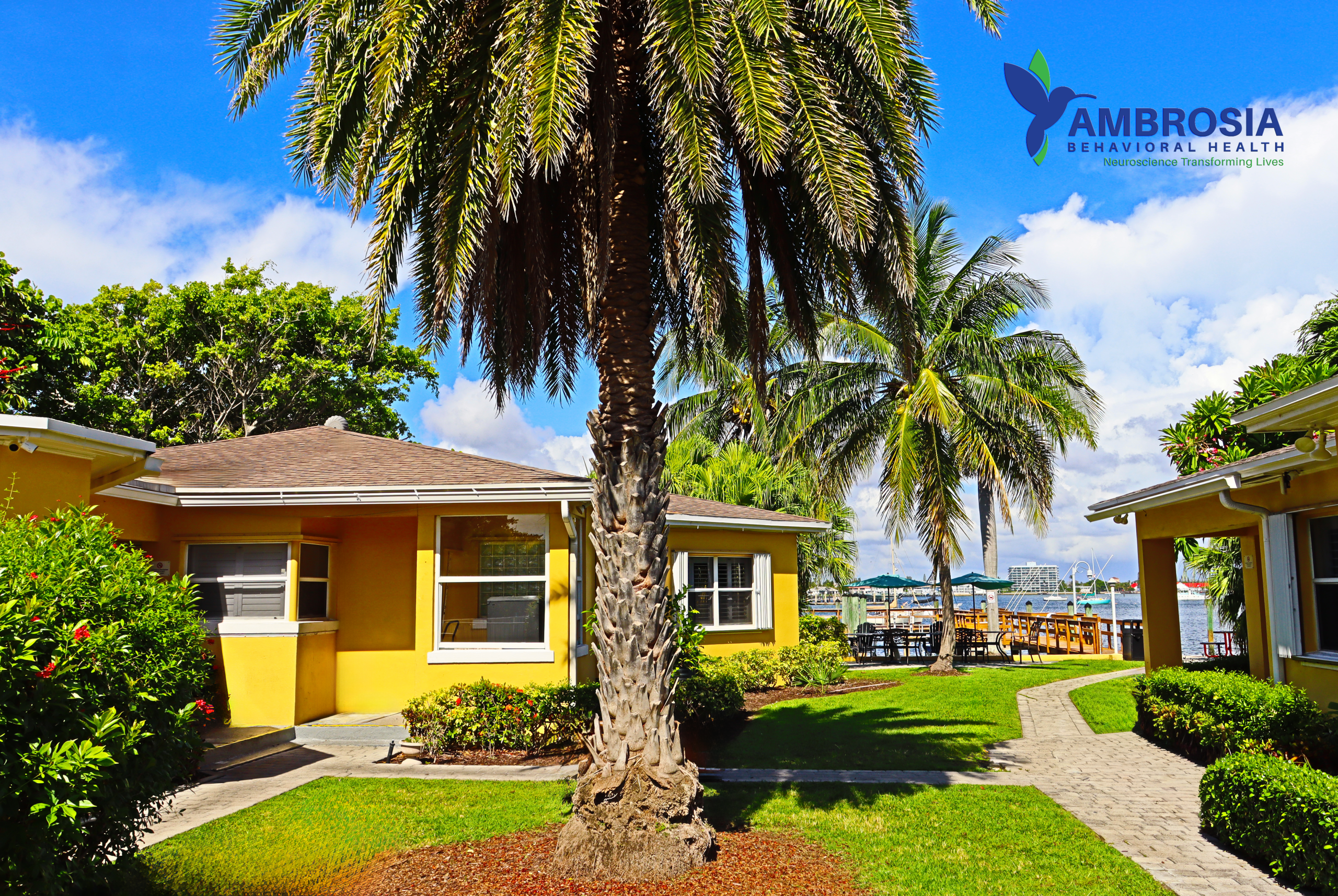
Florida Rehab at Ambrosia Behavioral Health: Healing for Adults, Adolescents, and Older People

Florida Rehab. Hope Starts here at Ambrosia Behavioral Health in Florida

Choosing a Florida Rehab can feel like a high-stakes decision—because it is. When someone you love is struggling with addiction, mental health concerns, or both, the right environment, clinical approach, and level of support can make the difference between short-term stabilization and long-term transformation. At Ambrosia Behavioral Health in Florida, treatment is designed to meet people where they are and guide them—step by step—toward sustainable recovery.

What makes a truly effective Florida Rehab isn’t just the sunshine, the location, or the amenities. It’s the clinical consistency, the ability to treat co-occurring mental health conditions, and the capacity to adapt care to different life stages. Adults often need trauma-informed therapy and relapse prevention that fits work and family realities. Adolescents need developmentally appropriate support that protects their future while addressing underlying pain. Older people often require medically attentive care, compassionate pacing, and programs that consider grief, chronic conditions, and isolation. Ambrosia’s Florida programs are built to support these different needs with a whole-person approach rooted in evidence and dignity.

Why Florida Rehab Matters for Recovery Outcomes

A Florida Rehab offers something beyond geography: it can offer distance from triggers, structure away from everyday stress, and a new environment that supports reset and reflection. Many people benefit from stepping out of the routines that reinforce substance use—social circles, places associated with using, and daily pressures that make change feel impossible.

But environment alone is not treatment. The real advantage of a strong Florida Rehab is how it uses that change of setting to build consistent habits and clinical momentum. Recovery requires repetition—healthy coping skills practiced daily, new ways of thinking rehearsed in therapy, and a supportive community that reinforces progress. Ambrosia’s model focuses on stabilizing the body, strengthening the mind, and building realistic strategies people can bring home.

Ambrosia Behavioral Health’s Approach to Florida Rehab

Ambrosia Behavioral Health’s Florida Rehab programs emphasize individualized care instead of one-size-fits-all treatment. That begins with assessment: substance use history, mental health symptoms, trauma exposure, medical concerns, family dynamics, and recovery goals. From there, the clinical team develops a plan that can evolve as the person progresses—because what you need in week one often changes by week four.

Treatment is also designed to address the real reasons people use substances in the first place. Addiction rarely exists in isolation. Many clients are coping with anxiety, depression, PTSD, bipolar disorder, ADHD, grief, or chronic stress. Effective Florida Rehab means treating addiction and co-occurring conditions together, not in separate lanes. When mental health is ignored, relapse risk rises. When both are treated, long-term outcomes improve.

Florida Rehab for Adults: Rebuilding Stability and Self-Trust

Adults come into Florida Rehab with a lifetime of responsibilities and often a lifetime of pressure. Many are high-functioning on the outside while privately losing ground—professionally, financially, or emotionally. Others arrive after a crisis: health scares, legal issues, relationship breakdowns, or a frightening overdose.

For adults, Ambrosia’s Florida Rehab experience centers on restoring stability and rebuilding self-trust. Early recovery is physically and emotionally intense. It’s common to feel shame, fear, and uncertainty about whether change is possible. A strong adult program doesn’t just help someone “stop using.” It helps them rebuild daily life: emotional regulation, communication skills, boundaries, and routines that support a meaningful future.

Adult treatment often includes deeper work around trauma, self-esteem, and identity. Many adults have used substances for years to numb pain, manage insomnia, quiet anxiety, or escape unresolved memories. When substances leave the picture, those issues often surface. This is where therapy becomes essential—helping people process what they’ve carried and learn healthier ways to cope.

Florida Rehab Ambrosia Addiction Treatment

Florida Rehab for Adults: Co-Occurring Mental Health and Dual Diagnosis

A high-quality Florida Rehab must be prepared for dual diagnosis. Adults often arrive with longstanding anxiety or depression, panic attacks, mood instability, or trauma-related symptoms. Some have never been diagnosed. Others have diagnoses but have struggled to find effective treatment.

Ambrosia’s Florida Rehab approach is built to treat co-occurring conditions alongside addiction treatment. This can include psychiatric support, structured therapy, and skills work that targets the patterns that drive both substance use and mental health symptoms. When mental health stabilizes, cravings often become more manageable. When coping skills improve, stress becomes less likely to trigger relapse. And when people feel emotionally safe, they’re more likely to stay engaged and complete treatment.

Florida Rehab for Adolescents: Protecting Development While Treating Addiction

Adolescents don’t simply need a “smaller” version of adult treatment. A teenager’s brain and identity are still developing. Their social world is intense. Their emotions can feel overwhelming. Many teens use substances to cope with anxiety, depression, trauma, bullying, academic pressure, family conflict, or feeling disconnected. Others are experimenting—until experimentation turns into dependency.

A developmentally appropriate Florida Rehab for adolescents focuses on safety, structure, emotional skill-building, and family involvement. Teens often struggle to articulate what they’re feeling, and many are afraid of being judged or punished. Effective adolescent care helps them build language for emotions, identify triggers, and develop tools they can actually use in real life—especially when they return to school, peers, and everyday pressures.

Ambrosia’s model for adolescent Florida Rehab prioritizes therapeutic engagement—helping teens feel seen and understood while still holding clear expectations. Treatment supports not just sobriety, but healthier identity development: self-respect, resilience, and the ability to ask for help without shame.

Florida Rehab for Adolescents: Family Systems and Healing the Home Environment

For adolescents, family involvement can be a cornerstone of successful Florida Rehab. That doesn’t mean blaming parents or shaming families. It means recognizing that teens live inside a system—home dynamics, communication patterns, stressors, and relationships that can either support recovery or undermine it.

Family therapy helps identify what’s been happening beneath the surface: conflict cycles, unspoken grief, inconsistent boundaries, enabling patterns, or misunderstanding about mental health. It also helps families learn how to respond to relapse risk, how to create structure without control, and how to rebuild trust without unrealistic expectations.

When families learn how to support recovery effectively, adolescents are less likely to feel alone and more likely to maintain progress after discharge.
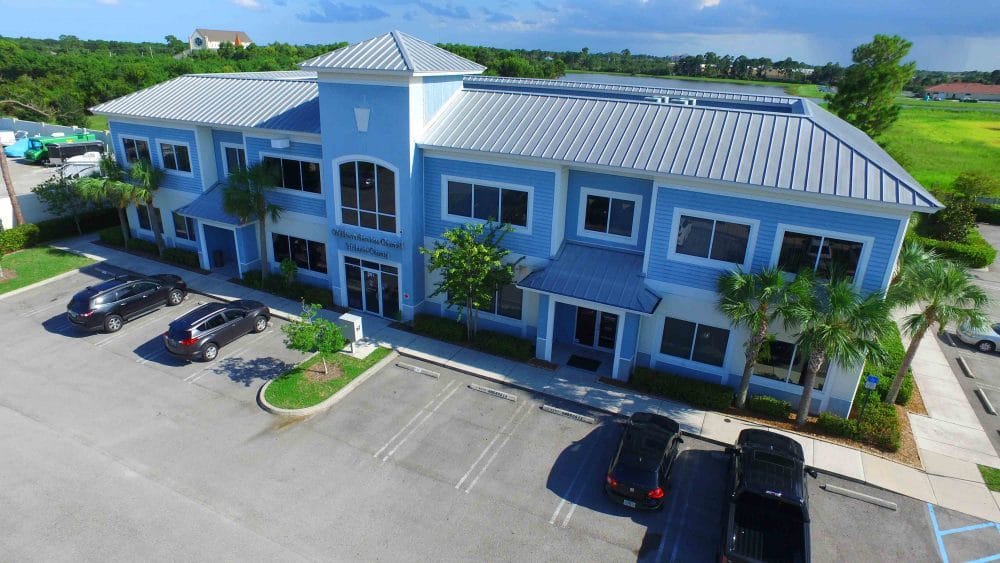
Ambrosia Florida Rehab Adolescent Program

Florida Rehab for Older People: Compassionate Care for a Unique Life Stage

Older people seeking Florida Rehab are often overlooked in the public conversation about addiction—but substance use among older adults is real, and it can be deadly. Some individuals have struggled for decades. Others develop dependence later in life after retirement, chronic pain, medical procedures, or the loss of a partner. Alcohol misuse, prescription medication dependence, and loneliness can form a dangerous combination.

Older people may also face increased medical complexity. A thoughtful Florida Rehab must consider medications, mobility, sleep issues, cardiovascular health, diabetes, chronic pain, and cognitive concerns. Older clients deserve a pace of treatment that respects their needs without underestimating their capacity for growth. Recovery is absolutely possible at any age, and for many older adults, treatment becomes a turning point—bringing clarity, reconnection, and renewed purpose.

Ambrosia’s approach to older-adult Florida Rehab emphasizes respect, dignity, and clinically attentive care. The goal isn’t to “start over” like a teenager. It’s to reclaim health, rebuild relationships, and create a stable, meaningful next chapter.

Florida Rehab and Medical Stabilization: Safety Comes First

Many people enter Florida Rehab with physical dependence. Withdrawal can be uncomfortable, frightening, and in some cases medically dangerous—especially with alcohol, benzodiazepines, or heavy polysubstance use. Safety requires medical oversight, symptom management, hydration, sleep stabilization, and monitoring for complications.

The first phase of a strong Florida Rehab program often focuses on stabilization: reducing acute symptoms, helping the nervous system settle, and supporting the body as it begins to heal. This early stage is also where hope begins to return. When sleep improves, cravings reduce, and anxiety becomes less intense, people can begin engaging more fully in therapy.

Florida Rehab Therapy: Evidence-Based Treatment That Builds Real Skills

The heart of effective Florida Rehab is therapy that changes behavior and thinking patterns, not just short-term abstinence. People need tools that work when they’re stressed, lonely, triggered, or overwhelmed. That means learning to recognize the thought loops and emotional patterns that lead to substance use—and practicing alternatives until those alternatives become real habits.

Evidence-based therapies often focus on coping skills, emotional regulation, trauma processing, and relapse prevention planning. Therapy also helps people reconnect with values and rebuild self-respect. Many clients have lived for years in survival mode. A strong Florida Rehab helps them move from survival to stability—and from stability to growth.

Florida Rehab for Trauma: Treating the Root, Not Just the Symptom

Trauma is one of the most common underlying drivers of addiction. It can be obvious—assault, accidents, violence, medical trauma—or subtle and chronic, like emotional neglect, instability, or repeated relational harm. Many people don’t realize how much their nervous system has been shaped by what they’ve lived through, and substances become a way to regulate unbearable internal states.

A trauma-informed Florida Rehab provides safety, pacing, and clinical expertise. Trauma work isn’t about forcing someone to relive the past. It’s about helping them regain control of the present. When trauma is treated with care and skill, cravings often decrease because the brain no longer needs substances as a primary coping strategy.

Florida Rehab and Relapse Prevention: Planning for the Real World

Relapse prevention isn’t a lecture—it’s a strategy. A strong Florida Rehab prepares clients for what actually happens after discharge: stress, triggers, unexpected emotions, old acquaintances, relationship tension, and moments where cravings spike.

Effective relapse prevention includes identifying personal warning signs, building coping plans, creating a supportive routine, and establishing accountability. It also includes practical planning: ongoing therapy, recovery communities, family boundaries, and lifestyle shifts that reduce exposure to high-risk environments. The goal is not perfection; it’s preparedness.

Florida Rehab Aftercare: Continuity That Protects Progress

Recovery doesn’t end when residential treatment ends. One of the most important markers of a successful Florida Rehab experience is the quality of the aftercare plan. Transitioning back into daily life can feel disorienting. People often return to the same stressors and responsibilities, but now they’re expected to cope sober.

Aftercare planning helps protect the progress made during treatment by setting up continued support: outpatient services, counseling, psychiatric follow-ups, support groups, family sessions, and structured routines. A well-built plan is realistic, individualized, and focused on the first 90 days—because that window is often the most vulnerable.

Florida Rehab at Ambrosia: A Place to Heal Across Generations

Addiction touches every age group, but healing can too. Ambrosia Behavioral Health’s Florida Rehab programs support adults seeking stability, adolescents needing structure and future protection, and older people who deserve compassionate, medically attentive care. The core message is the same across ages: you are not beyond help, you are not alone, and recovery can be built with the right support.

Whether someone is dealing with alcohol dependence, prescription misuse, opioids, stimulants, or co-occurring mental health challenges, the right Florida Rehab approach focuses on whole-person recovery. That means treating the body, mind, and emotional roots—not just the symptoms. It means building real coping skills, strengthening relationships, and creating a plan that continues after discharge.

If you’re looking for Florida Rehab that takes individualized care seriously and supports multiple life stages with dignity and clinical depth, Ambrosia Behavioral Health offers a path forward—grounded in structure, compassion, and the belief that change is possible.

Florida Rehab: Frequently Asked Questions

What makes a Florida Rehab effective for long-term recovery?

A strong Florida Rehab offers individualized treatment, dual diagnosis care, evidence-based therapy, medical support during withdrawal when needed, and a clear aftercare plan. The best outcomes usually come from programs that treat addiction and mental health together while preparing clients for real-world triggers and stress.

Is Florida Rehab appropriate for adolescents?

Yes, Florida Rehab can be appropriate for adolescents when the program is developmentally focused and includes family involvement. Teens benefit from structure, emotional skill-building, and therapy that addresses the reasons behind substance use while protecting education and future goals.

How does Florida Rehab support older people?

A quality Florida Rehab for older people accounts for medical complexity, medications, mobility, sleep needs, chronic pain, and emotional factors like grief or isolation. Older clients often benefit from compassionate pacing, medically attentive care, and support rebuilding connection and purpose.

Can Florida Rehab help with both addiction and mental health issues?

Yes. Many people need dual diagnosis support. The best Florida Rehab programs treat addiction alongside anxiety, depression, PTSD, bipolar disorder, and other conditions. Treating both together helps reduce relapse risk and improves long-term stability.

How long should someone stay in Florida Rehab?

Length of stay depends on severity, history, mental health needs, and support at home. Many people benefit from longer engagement and step-down care, moving from higher support to lower support with continuity. The most effective plans are personalized rather than based on a single timeline.

What should families look for when choosing a Florida Rehab?

Families should look for medical safety, individualized plans, licensed clinicians, therapy that addresses co-occurring disorders and trauma, family involvement options, and aftercare planning. A reputable Florida Rehab communicates clearly, treats clients with dignity, and supports the family system without blame.


Florida Rehab at Ambrosia Behavioral Health: Healing for Adults, Adolescents, and Older People

DANESH ALAM

Danesh Alam MD, DFAPA, DFASAM
Medical Reviewer

Dr. Alam is an internationally renowned psychiatrist with academic affiliations with Northwestern University and University of Illinois, Chicago where he completed his residency training. He has been a principal investigator for over forty studies and has been involved in research leading to the approval of most psychiatric medications currently on the market. He is the founder of the Neuroscience Research Institute which continues to conduct research on cutting edge medication and interventional psychiatry. Dr. Alam is a Distinguished Fellow of the American Psychiatric Association and the American Society of Addiction Medicine. He has won several awards and has been featured extensively on radio and television.

Florida Rehab. Hope Starts here at Ambrosia Behavioral Health in Florida

Choosing a Florida Rehab can feel like a high-stakes decision—because it is. When someone you love is struggling with addiction, mental health concerns, or both, the right environment, clinical approach, and level of support can make the difference between short-term stabilization and long-term transformation. At Ambrosia Behavioral Health in Florida, treatment is designed to meet people where they are and guide them—step by step—toward sustainable recovery.

What makes a truly effective Florida Rehab isn’t just the sunshine, the location, or the amenities. It’s the clinical consistency, the ability to treat co-occurring mental health conditions, and the capacity to adapt care to different life stages. Adults often need trauma-informed therapy and relapse prevention that fits work and family realities. Adolescents need developmentally appropriate support that protects their future while addressing underlying pain. Older people often require medically attentive care, compassionate pacing, and programs that consider grief, chronic conditions, and isolation. Ambrosia’s Florida programs are built to support these different needs with a whole-person approach rooted in evidence and dignity.

Why Florida Rehab Matters for Recovery Outcomes

A Florida Rehab offers something beyond geography: it can offer distance from triggers, structure away from everyday stress, and a new environment that supports reset and reflection. Many people benefit from stepping out of the routines that reinforce substance use—social circles, places associated with using, and daily pressures that make change feel impossible.

But environment alone is not treatment. The real advantage of a strong Florida Rehab is how it uses that change of setting to build consistent habits and clinical momentum. Recovery requires repetition—healthy coping skills practiced daily, new ways of thinking rehearsed in therapy, and a supportive community that reinforces progress. Ambrosia’s model focuses on stabilizing the body, strengthening the mind, and building realistic strategies people can bring home.

Ambrosia Behavioral Health’s Approach to Florida Rehab

Ambrosia Behavioral Health’s Florida Rehab programs emphasize individualized care instead of one-size-fits-all treatment. That begins with assessment: substance use history, mental health symptoms, trauma exposure, medical concerns, family dynamics, and recovery goals. From there, the clinical team develops a plan that can evolve as the person progresses—because what you need in week one often changes by week four.

Treatment is also designed to address the real reasons people use substances in the first place. Addiction rarely exists in isolation. Many clients are coping with anxiety, depression, PTSD, bipolar disorder, ADHD, grief, or chronic stress. Effective Florida Rehab means treating addiction and co-occurring conditions together, not in separate lanes. When mental health is ignored, relapse risk rises. When both are treated, long-term outcomes improve.

Florida Rehab for Adults: Rebuilding Stability and Self-Trust

Adults come into Florida Rehab with a lifetime of responsibilities and often a lifetime of pressure. Many are high-functioning on the outside while privately losing ground—professionally, financially, or emotionally. Others arrive after a crisis: health scares, legal issues, relationship breakdowns, or a frightening overdose.

For adults, Ambrosia’s Florida Rehab experience centers on restoring stability and rebuilding self-trust. Early recovery is physically and emotionally intense. It’s common to feel shame, fear, and uncertainty about whether change is possible. A strong adult program doesn’t just help someone “stop using.” It helps them rebuild daily life: emotional regulation, communication skills, boundaries, and routines that support a meaningful future.

Adult treatment often includes deeper work around trauma, self-esteem, and identity. Many adults have used substances for years to numb pain, manage insomnia, quiet anxiety, or escape unresolved memories. When substances leave the picture, those issues often surface. This is where therapy becomes essential—helping people process what they’ve carried and learn healthier ways to cope.

Florida Rehab Ambrosia Addiction Treatment

Florida Rehab for Adults: Co-Occurring Mental Health and Dual Diagnosis

A high-quality Florida Rehab must be prepared for dual diagnosis. Adults often arrive with longstanding anxiety or depression, panic attacks, mood instability, or trauma-related symptoms. Some have never been diagnosed. Others have diagnoses but have struggled to find effective treatment.

Ambrosia’s Florida Rehab approach is built to treat co-occurring conditions alongside addiction treatment. This can include psychiatric support, structured therapy, and skills work that targets the patterns that drive both substance use and mental health symptoms. When mental health stabilizes, cravings often become more manageable. When coping skills improve, stress becomes less likely to trigger relapse. And when people feel emotionally safe, they’re more likely to stay engaged and complete treatment.

Florida Rehab for Adolescents: Protecting Development While Treating Addiction

Adolescents don’t simply need a “smaller” version of adult treatment. A teenager’s brain and identity are still developing. Their social world is intense. Their emotions can feel overwhelming. Many teens use substances to cope with anxiety, depression, trauma, bullying, academic pressure, family conflict, or feeling disconnected. Others are experimenting—until experimentation turns into dependency.

A developmentally appropriate Florida Rehab for adolescents focuses on safety, structure, emotional skill-building, and family involvement. Teens often struggle to articulate what they’re feeling, and many are afraid of being judged or punished. Effective adolescent care helps them build language for emotions, identify triggers, and develop tools they can actually use in real life—especially when they return to school, peers, and everyday pressures.

Ambrosia’s model for adolescent Florida Rehab prioritizes therapeutic engagement—helping teens feel seen and understood while still holding clear expectations. Treatment supports not just sobriety, but healthier identity development: self-respect, resilience, and the ability to ask for help without shame.

Florida Rehab for Adolescents: Family Systems and Healing the Home Environment

For adolescents, family involvement can be a cornerstone of successful Florida Rehab. That doesn’t mean blaming parents or shaming families. It means recognizing that teens live inside a system—home dynamics, communication patterns, stressors, and relationships that can either support recovery or undermine it.

Family therapy helps identify what’s been happening beneath the surface: conflict cycles, unspoken grief, inconsistent boundaries, enabling patterns, or misunderstanding about mental health. It also helps families learn how to respond to relapse risk, how to create structure without control, and how to rebuild trust without unrealistic expectations.

When families learn how to support recovery effectively, adolescents are less likely to feel alone and more likely to maintain progress after discharge.

Ambrosia Florida Rehab Adolescent Program

Florida Rehab for Older People: Compassionate Care for a Unique Life Stage

Older people seeking Florida Rehab are often overlooked in the public conversation about addiction—but substance use among older adults is real, and it can be deadly. Some individuals have struggled for decades. Others develop dependence later in life after retirement, chronic pain, medical procedures, or the loss of a partner. Alcohol misuse, prescription medication dependence, and loneliness can form a dangerous combination.

Older people may also face increased medical complexity. A thoughtful Florida Rehab must consider medications, mobility, sleep issues, cardiovascular health, diabetes, chronic pain, and cognitive concerns. Older clients deserve a pace of treatment that respects their needs without underestimating their capacity for growth. Recovery is absolutely possible at any age, and for many older adults, treatment becomes a turning point—bringing clarity, reconnection, and renewed purpose.

Ambrosia’s approach to older-adult Florida Rehab emphasizes respect, dignity, and clinically attentive care. The goal isn’t to “start over” like a teenager. It’s to reclaim health, rebuild relationships, and create a stable, meaningful next chapter.

Florida Rehab and Medical Stabilization: Safety Comes First

Many people enter Florida Rehab with physical dependence. Withdrawal can be uncomfortable, frightening, and in some cases medically dangerous—especially with alcohol, benzodiazepines, or heavy polysubstance use. Safety requires medical oversight, symptom management, hydration, sleep stabilization, and monitoring for complications.

The first phase of a strong Florida Rehab program often focuses on stabilization: reducing acute symptoms, helping the nervous system settle, and supporting the body as it begins to heal. This early stage is also where hope begins to return. When sleep improves, cravings reduce, and anxiety becomes less intense, people can begin engaging more fully in therapy.

Florida Rehab Therapy: Evidence-Based Treatment That Builds Real Skills

The heart of effective Florida Rehab is therapy that changes behavior and thinking patterns, not just short-term abstinence. People need tools that work when they’re stressed, lonely, triggered, or overwhelmed. That means learning to recognize the thought loops and emotional patterns that lead to substance use—and practicing alternatives until those alternatives become real habits.

Evidence-based therapies often focus on coping skills, emotional regulation, trauma processing, and relapse prevention planning. Therapy also helps people reconnect with values and rebuild self-respect. Many clients have lived for years in survival mode. A strong Florida Rehab helps them move from survival to stability—and from stability to growth.

Florida Rehab for Trauma: Treating the Root, Not Just the Symptom

Trauma is one of the most common underlying drivers of addiction. It can be obvious—assault, accidents, violence, medical trauma—or subtle and chronic, like emotional neglect, instability, or repeated relational harm. Many people don’t realize how much their nervous system has been shaped by what they’ve lived through, and substances become a way to regulate unbearable internal states.

A trauma-informed Florida Rehab provides safety, pacing, and clinical expertise. Trauma work isn’t about forcing someone to relive the past. It’s about helping them regain control of the present. When trauma is treated with care and skill, cravings often decrease because the brain no longer needs substances as a primary coping strategy.

Florida Rehab and Relapse Prevention: Planning for the Real World

Relapse prevention isn’t a lecture—it’s a strategy. A strong Florida Rehab prepares clients for what actually happens after discharge: stress, triggers, unexpected emotions, old acquaintances, relationship tension, and moments where cravings spike.

Effective relapse prevention includes identifying personal warning signs, building coping plans, creating a supportive routine, and establishing accountability. It also includes practical planning: ongoing therapy, recovery communities, family boundaries, and lifestyle shifts that reduce exposure to high-risk environments. The goal is not perfection; it’s preparedness.

Florida Rehab Aftercare: Continuity That Protects Progress

Recovery doesn’t end when residential treatment ends. One of the most important markers of a successful Florida Rehab experience is the quality of the aftercare plan. Transitioning back into daily life can feel disorienting. People often return to the same stressors and responsibilities, but now they’re expected to cope sober.

Aftercare planning helps protect the progress made during treatment by setting up continued support: outpatient services, counseling, psychiatric follow-ups, support groups, family sessions, and structured routines. A well-built plan is realistic, individualized, and focused on the first 90 days—because that window is often the most vulnerable.

Florida Rehab at Ambrosia: A Place to Heal Across Generations

Addiction touches every age group, but healing can too. Ambrosia Behavioral Health’s Florida Rehab programs support adults seeking stability, adolescents needing structure and future protection, and older people who deserve compassionate, medically attentive care. The core message is the same across ages: you are not beyond help, you are not alone, and recovery can be built with the right support.

Whether someone is dealing with alcohol dependence, prescription misuse, opioids, stimulants, or co-occurring mental health challenges, the right Florida Rehab approach focuses on whole-person recovery. That means treating the body, mind, and emotional roots—not just the symptoms. It means building real coping skills, strengthening relationships, and creating a plan that continues after discharge.

If you’re looking for Florida Rehab that takes individualized care seriously and supports multiple life stages with dignity and clinical depth, Ambrosia Behavioral Health offers a path forward—grounded in structure, compassion, and the belief that change is possible.

Florida Rehab: Frequently Asked Questions

What makes a Florida Rehab effective for long-term recovery?

A strong Florida Rehab offers individualized treatment, dual diagnosis care, evidence-based therapy, medical support during withdrawal when needed, and a clear aftercare plan. The best outcomes usually come from programs that treat addiction and mental health together while preparing clients for real-world triggers and stress.

Is Florida Rehab appropriate for adolescents?

Yes, Florida Rehab can be appropriate for adolescents when the program is developmentally focused and includes family involvement. Teens benefit from structure, emotional skill-building, and therapy that addresses the reasons behind substance use while protecting education and future goals.

How does Florida Rehab support older people?

A quality Florida Rehab for older people accounts for medical complexity, medications, mobility, sleep needs, chronic pain, and emotional factors like grief or isolation. Older clients often benefit from compassionate pacing, medically attentive care, and support rebuilding connection and purpose.

Can Florida Rehab help with both addiction and mental health issues?

Yes. Many people need dual diagnosis support. The best Florida Rehab programs treat addiction alongside anxiety, depression, PTSD, bipolar disorder, and other conditions. Treating both together helps reduce relapse risk and improves long-term stability.

How long should someone stay in Florida Rehab?

Length of stay depends on severity, history, mental health needs, and support at home. Many people benefit from longer engagement and step-down care, moving from higher support to lower support with continuity. The most effective plans are personalized rather than based on a single timeline.

What should families look for when choosing a Florida Rehab?

Families should look for medical safety, individualized plans, licensed clinicians, therapy that addresses co-occurring disorders and trauma, family involvement options, and aftercare planning. A reputable Florida Rehab communicates clearly, treats clients with dignity, and supports the family system without blame.

Table of Contents
Scroll to Top