How to Protect Your Sobriety During the Holiday Season
The holiday season is filled with sparkling lights, festive music, family gatherings, traditions—and an overwhelming presence of drinking culture. For people in recovery, Christmas can feel less like a celebration and more like a test of spiritual, emotional, and physical endurance. Every party, every toast, and every casual mention of cocktails can stir cravings, memories, temptations, and old associations that once controlled your life. Because so many celebrations revolve around Christmas alcoholic drinks, people in recovery must approach this season not with fear, but with a powerful, informed strategy grounded in self-awareness, connection, planning, and emotional balance.
Avoiding Christmas alcoholic drinks is not simply about saying “no” to a beverage. It is a profound act of protecting your future, reinforcing your identity, and honoring the hard work that brought you into recovery. This time of year can be incredibly healing if you reclaim the season on your terms. The more prepared you are, the safer and more meaningful the holidays become.
Understanding Why Christmas Alcoholic Drinks Are So Triggering
Christmas alcoholic drinks are not only plentiful during December; they are wrapped in emotional symbolism. Eggnog, spiced rum, mulled wine, champagne, peppermint liqueurs, hot toddies, and holiday punch are advertised everywhere—from commercials to social media to grocery store displays. These drinks are portrayed as the gateway to comfort, warmth, relaxation, and joy. For a person in recovery, this messaging can feel like emotional pressure.
Triggers often come disguised as nostalgia. Many people associate certain Christmas alcoholic drinks with family traditions, celebrations, or “the way the holidays used to be.” The brain remembers the sensory experience—the warmth of a glass, the smell of spices, the clinking of glasses—and can interpret those memories as an invitation to relapse. Understanding this connection is empowering because it shows that cravings are not moral failures. They are neurological echoes.
Holiday stress compounds this emotional load. Christmas expectations often run high: buying gifts, attending social events, managing family conflict, traveling, planning meals, keeping up appearances. This stress makes the brain more vulnerable to craving old coping mechanisms. When a person in recovery finds themselves in a room where everyone else is casually sipping Christmas alcoholic drinks, the combination of stress, nostalgia, and sensory triggers can be intense. That is why preparation is essential.
Rewriting the Story: You Do Not Need Christmas Alcoholic Drinks to Celebrate
One of the most transformative parts of recovery is learning that joy, peace, connection, and meaning are not dependent on substances. This season gives you the chance to rewrite your relationship with Christmas entirely.
Instead of avoiding celebrations, consider creating new traditions that affirm your sobriety. Many people discover that Christmas without alcohol is brighter, calmer, more authentic, and more memorable. Without the haze of holiday intoxication, they experience genuine laughter, deeper connection with loved ones, more clarity, and less emotional volatility.
Rewriting the story means giving yourself permission to reimagine the holiday. When you decide that Christmas alcoholic drinks are not a part of your life anymore, you open the door to freedom and peace—not restriction. That shift in mindset becomes a powerful foundation for navigating the season.

How to Prepare Emotionally and Mentally for Holiday Gatherings
Walking into a holiday event filled with Christmas alcoholic drinks without preparation can be overwhelming. People in recovery often report that the anticipation of the event is more stressful than the event itself. Planning helps reduce fear and builds confidence.
Start by being honest with yourself about your current emotional and recovery state. Recovery is dynamic. Some years, you might feel grounded and strong, able to attend a large family gathering without internal conflict. Other years, you might be carrying more stress, loneliness, grief, or anxiety, making the holiday terrain more slippery. Self-assessment is not weakness. It is wisdom.
If attending certain events will put your sobriety at risk, it is okay to decline. You do not owe anyone an explanation beyond what you are comfortable sharing. Protecting your recovery is more important than pleasing others. If you decide to attend events where Christmas alcoholic drinks will be served, prepare a strategy in advance. Decide what you will say if someone offers you a drink. Decide who your support person will be. Decide how long you will stay and when you will leave if you become uncomfortable. These choices allow you to remain in control of your environment instead of feeling swept up in it.
Sober Alternatives That Keep You in Control
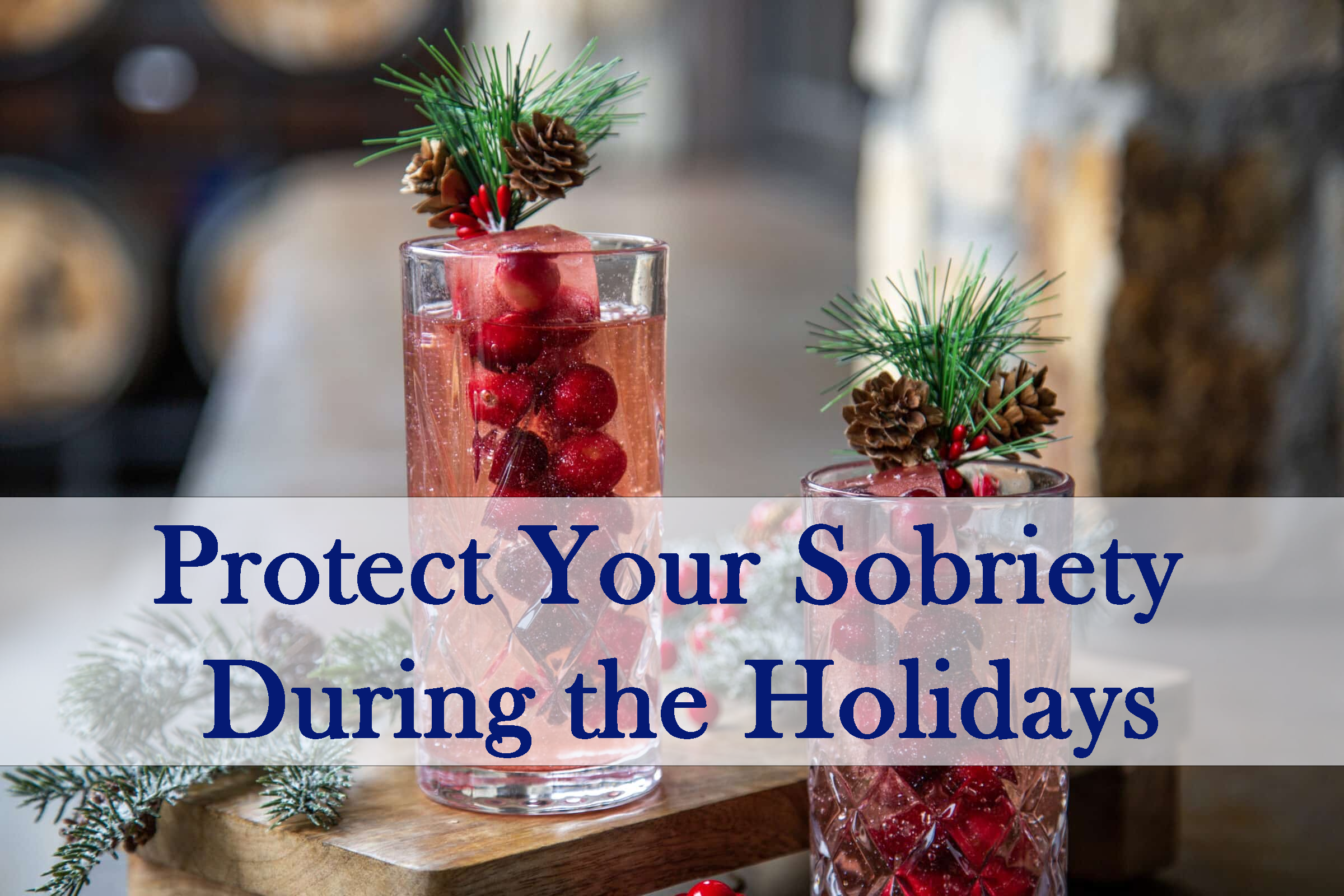
One of the easiest and most effective strategies is to bring your own non-alcoholic beverages to events. When you have a drink in hand—sparkling water, soda, a festive mocktail—you remove the awkwardness of repeatedly being asked whether you want alcohol. Having something enjoyable to sip can also quiet the sensory cravings associated with Christmas alcoholic drinks.
Many people in recovery enjoy creating their own holiday mocktails. The flavors of cinnamon, cranberry, apple, mint, and citrus can be incorporated without triggering the emotional connection to alcohol. What matters most is that you have something that feels festive, comforting, and safe.
If you are hosting, consider designing an inclusive atmosphere where non-alcoholic options are displayed as prominently as Christmas alcoholic drinks usually are. This can make gatherings more welcoming both for you and for others who may be silently struggling.
How to Handle Social Pressure Without Feeling Awkward
One of the biggest challenges during the holidays is responding to people who offer Christmas alcoholic drinks or ask why you are not drinking. Most people mean no harm; alcohol is so normalized during Christmas that declining a drink can feel unusual. That is why having a prepared response can diffuse discomfort.
You do not need to disclose your recovery unless you want to. Simple statements—“I’m good with what I have,” “I’m not drinking tonight,” or “I’m trying something different this season”—are enough. If someone presses further, it says more about their relationship with alcohol than yours.
Confidence is powerful. When you respond calmly and without apology, others accept your choice quickly. Many people in recovery find that the social anxiety leading up to these interactions dissolves once the first conversation happens. The anticipation is often worse than the reality.
Managing the Emotional Triggers Behind Christmas Alcoholic Drinks
Avoiding Christmas alcoholic drinks is only partly about the drink itself. More often, the desire to drink emerges from emotional roots. Loneliness, grief, unresolved family conflict, financial pressure, exhaustion, and holiday expectations can create emotional turbulence. Substances once provided temporary relief from these feelings. When the holidays amplify them, cravings can intensify.
Emotional regulation is a critical part of relapse prevention. Before holiday gatherings, spend time grounding yourself. Practices like journaling, meditation, prayer, therapy sessions, recovery meetings, breathwork, or physical exercise can provide emotional stability. When the mind is calm, cravings have less power.
Boundaries also play an important role. You have the right to distance yourself from people or environments that jeopardize your mental health. You are not obligated to tolerate conflict, passive-aggressive comments, or emotionally draining dynamics simply because it is Christmas. Part of recovery is learning to choose peace over pressure.
Building a Recovery-Focused Support System Throughout the Holidays
Support is essential during this season. Surrounding yourself with people who understand your commitment to sobriety provides strength and accountability. Whether your support system includes family, friends, a sponsor, peers in recovery, or professionals, connection helps you stay grounded.
If possible, attend extra meetings or support sessions in December. Many treatment centers and recovery groups host holiday-specific meetings because they know how intense this time of year can be. Hearing other people’s experiences can normalize your feelings and provide reassurance that you are not navigating Christmas alcoholic drinks alone.
It is also helpful to communicate your needs directly. People cannot support you if they do not know what you are struggling with. A simple text before or during a gathering—“I’m feeling uncomfortable and could use a little support”—can shift your entire emotional experience.

Creating New Holiday Traditions That Strengthen Sobriety
Sobriety gives you the freedom to design the Christmas you want, not the Christmas you remember. For many people, avoiding Christmas alcoholic drinks becomes easier when they intentionally replace old drinking-related traditions with healthier ones. This might involve cooking special meals, organizing board game nights, volunteering at a local shelter, taking winter walks, watching holiday movies, decorating your home, hosting a sober gathering, or traveling somewhere peaceful.
Traditions are powerful because they create emotional anchors. When you build new traditions that support your recovery, you rewrite your brain’s expectations about what Christmas should feel like. Over time, the associations between Christmas alcoholic drinks and the holiday season weaken and eventually disappear.
Understanding That Cravings Are Temporary—And You Are Stronger Than Them
Cravings are inevitable during the holidays. They do not mean you are doing anything wrong. They do not mean your recovery is failing. They mean your brain is encountering familiar cues and responding in familiar ways. Cravings pass much more quickly when you acknowledge them rather than fight them.
Many people find it helpful to label cravings for what they are: neurological responses. When you view cravings as temporary waves instead of commands, you gain the ability to ride them out. Bringing awareness to your emotional triggers helps you separate the desire for relief from the desire for Christmas alcoholic drinks.
Recovery teaches resilience. Every craving you overcome strengthens your sobriety and proves your capacity to navigate life without alcohol. In that sense, each craving is not a threat—it is an opportunity to grow.
The Gift of Waking Up Sober on Christmas Morning
One of the most powerful motivators during the holiday season is imagining how you want to feel on Christmas morning. Waking up sober—clear-headed, present, at peace—is a gift that no Christmas alcoholic drink can match. Sobriety allows you to fully experience the holiday without regret, shame, physical discomfort, or emotional chaos. You get to be truly present with your family, your children, your friends, or even with yourself if you spend the day quietly.
People who maintain sobriety through Christmas often describe a profound sense of pride and gratitude. They say the holiday becomes more meaningful, more peaceful, and more joyful because they are living it authentically. You cannot buy that feeling in a bottle.
Why Self-Compassion Matters More Than Perfection
During the holidays, many people in recovery place pressure on themselves to be perfect—perfectly sober, perfectly cheerful, perfectly composed. This perfectionism can lead to internal shame if you feel overwhelmed, triggered, or emotional. Self-compassion is crucial. Recovery is not about performing strength; it is about living honestly.
If you struggle during the holidays, it does not mean you are weak. It means you are human. Sobriety is not defined by having zero cravings or never feeling tempted. Sobriety is defined by your commitment to protecting your life, even when it feels difficult.
Treat yourself with kindness throughout the season. Rest when you are tired. Seek support when you feel vulnerable. Celebrate small victories. Remove the expectation of perfection so that your heart has room to breathe.
What to Do If You Start Feeling Close to Relapse
Christmas alcoholic drinks can create strong emotional pull, even for people with years of sobriety. If you begin feeling dangerously close to relapse, reach out for help immediately. You do not need to wait until a lapse occurs before seeking support. Speaking to a sponsor, therapist, or trusted friend can interrupt the cycle of craving long before it leads to alcohol use.
Having a predetermined “emergency plan” can save lives. This plan might involve attending a meeting, contacting your treatment center, removing yourself from a triggering environment, or calling someone who understands your recovery journey. Relapse is not a requirement of recovery, and early intervention is one of the strongest forms of self-respect.
Conclusion: Protecting Your Recovery Is the True Meaning of a Peaceful Christmas
Avoiding Christmas alcoholic drinks during the holiday season is a meaningful act of self-preservation and empowerment. It is an opportunity to redefine what Christmas means to you, free from the distortions of alcohol. The season becomes more beautiful, more peaceful, and more authentic when experienced sober.
Christmas is a time of hope, renewal, and connection. You deserve a holiday rooted in clarity and purpose. Protecting your sobriety allows you to create memories that are real, conversations that are genuine, and moments that stay with you long after the lights and decorations are gone.
Recovery does not take a holiday. But it can transform the holidays into something better than you have ever known. And that is worth every mindful choice you make.
Additional Resources
Have a problem with alcohol? There is a solution. | Alcoholics Anonymous
FAQ: Avoiding Christmas Alcoholic Drinks in Recovery
Why are Christmas alcoholic drinks so triggering for people in recovery?
Christmas alcoholic drinks are often tied to emotional memories, traditions, stress relief patterns, and nostalgic sensory cues. Their seasonal flavors, scents, and social associations can activate cravings because they remind the brain of past drinking habits. The holidays also involve stress, family tension, and increased social pressure, all of which can heighten vulnerability.
How can I avoid Christmas alcoholic drinks at holiday gatherings without feeling awkward?
You can avoid Christmas alcoholic drinks by planning simple responses such as, “I’m good with what I have,” or “I’m not drinking tonight.” Bringing your own non-alcoholic drink helps eliminate unwanted offers. Confidence and preparation reduce the discomfort, and most people accept your choice without questioning it.
What are good non-alcoholic alternatives to Christmas alcoholic drinks?
Festive mocktails that use apple cider, cranberry, cinnamon, pomegranate, ginger, or mint offer holiday flavor without alcohol. Sparkling water with fruit, flavored seltzers, warm spiced teas, and alcohol-free punches can reproduce the comforting feel of Christmas beverages without creating risk for relapse.
How do I handle cravings for Christmas alcoholic drinks?
Cravings are temporary and often triggered by stress, memories, or environmental cues. Acknowledge the craving without judgment, distract yourself with conversation or activity, ground yourself with breathing techniques, or step away for a moment. Contacting a supportive friend, counselor, or sponsor can help interrupt the urge.
What should I do if I start to feel overwhelmed at an event where Christmas alcoholic drinks are being served?
You can leave the event, text a support person, take a short walk, or redirect your focus to a sober activity. Setting boundaries is essential. You are not obligated to stay anywhere that makes you uncomfortable or threatens your recovery.