
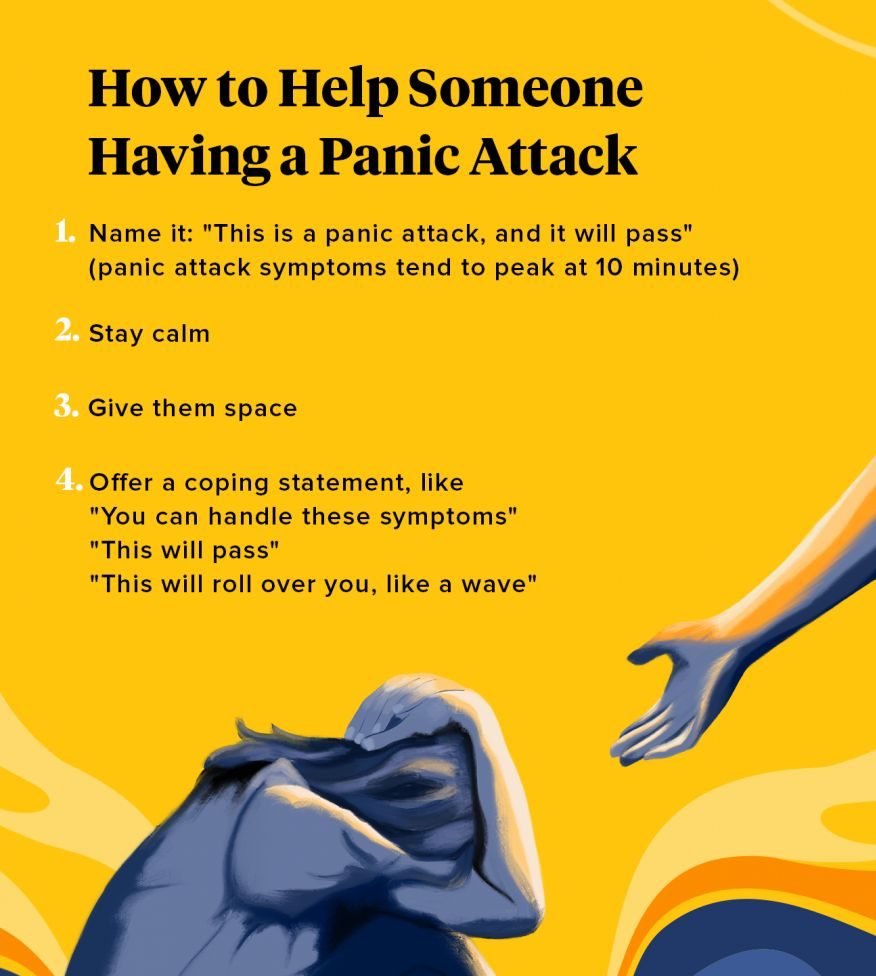
How to Help Someone With a Panic Attack: A Compassionate, Practical Guide

How to help someone with a panic attack Ambrosia Behavioral Health

How to Help Someone with a Panic Attack

Knowing how to help someone with a panic attack can make a profound difference in a moment that feels terrifying and overwhelming. Panic attacks often arrive without warning, flooding the body with intense fear and physical symptoms that can mimic a medical emergency. For the person experiencing it, the fear is real, the sensations are powerful, and reassurance can feel out of reach. For the person offering help, uncertainty about what to say or do can add to the stress of the moment. This guide is designed to give you clear, grounded guidance so you can respond with confidence, calm, and compassion.

Panic attacks are not signs of weakness or personal failure. They are acute stress responses that can happen to anyone, including people who appear outwardly calm and capable. Learning how to help someone with a panic attack means learning how to be present, steady, and supportive while the nervous system finds its way back to balance.

Understanding What a Panic Attack Feels Like

Before you can truly understand how to help someone with a panic attack, it helps to understand what they are experiencing from the inside. A panic attack is a sudden surge of intense fear or discomfort that peaks within minutes. Common sensations include a racing or pounding heart, shortness of breath, dizziness, chest tightness, nausea, shaking, sweating, and a feeling of losing control or dying. These sensations are driven by the body’s fight-or-flight response, even though there is no immediate danger.

For many people, the most frightening part is not the physical symptoms themselves but the fear that something catastrophic is happening. Thoughts may spiral quickly, and logic can feel inaccessible. This is why calm reassurance and a steady presence are so powerful. Your role is not to argue with their fear but to help their nervous system slow down and feel safe again.

Staying Calm So They Can Feel Safe

One of the most important steps in how to help someone with a panic attack is managing your own response. People in panic are highly sensitive to cues from those around them. If you appear alarmed, rushed, or panicked yourself, their fear may intensify. Taking a slow breath, lowering your voice, and moving deliberately sends a powerful signal of safety.

Speak in a calm, even tone. Simple, clear language works best. Let them know you are there and that they are not alone. Phrases like “I’m here with you” or “You’re safe right now” can be grounding. Avoid overwhelming them with too many words or questions. Your calm presence is often more effective than anything you say.

Create a grounding environment

Creating a Grounding Environment

Another key part of how to help someone with a panic attack is shaping the environment around them. If possible, move to a quieter, less stimulating space. Bright lights, loud noises, or crowds can intensify symptoms. If moving is not possible, help them focus inward rather than on external chaos.

Encourage them to sit or stand in a comfortable position. Some people feel better sitting upright, while others prefer to lean against a wall or chair. Respect their preferences. Physical comfort can help the nervous system settle more quickly.

Guiding the Breath Without Forcing It

Breathing plays a central role in how to help someone with a panic attack, but it must be approached gently. Panic often causes rapid, shallow breathing, which can increase dizziness and chest tightness. Instead of telling them to “calm down” or “take a deep breath,” model slow breathing yourself and invite them to follow if they can.

You might say, “Let’s breathe together for a moment,” and then inhale slowly through your nose and exhale through your mouth. Counting can help, such as breathing in for four seconds and out for six. If they resist or say they can’t focus on breathing, do not push. Simply continue breathing slowly yourself. Often, their body will begin to mirror your pace naturally.

Using Gentle Grounding Techniques

Grounding techniques are an essential part of how to help someone with a panic attack because they anchor attention in the present moment. When fear pulls the mind into catastrophic thoughts, grounding brings awareness back to what is real and safe right now.

You can gently encourage them to notice physical sensations, such as their feet on the floor or the chair supporting their body. Asking them to name things they can see, hear, or feel can also help shift attention away from panic. Keep your prompts simple and supportive, and avoid anything that feels like a test or demand. The goal is not to distract them forcefully but to offer an anchor.

Validating Their Experience Without Reinforcing Fear

Validation is a crucial element of how to help someone with a panic attack. This means acknowledging that what they are feeling is real and intense, without reinforcing the idea that they are in danger. Statements like “I can see how scared you are” or “This feels really intense right now” can help them feel understood.

At the same time, avoid statements that may unintentionally increase fear, such as “This is really bad” or “I don’t know what’s happening.” If they express fears about dying or losing control, respond calmly with reassurance. You might say, “I know it feels scary, but panic attacks pass, and you are safe.” Over time, this balanced validation can help reduce the fear of fear itself.
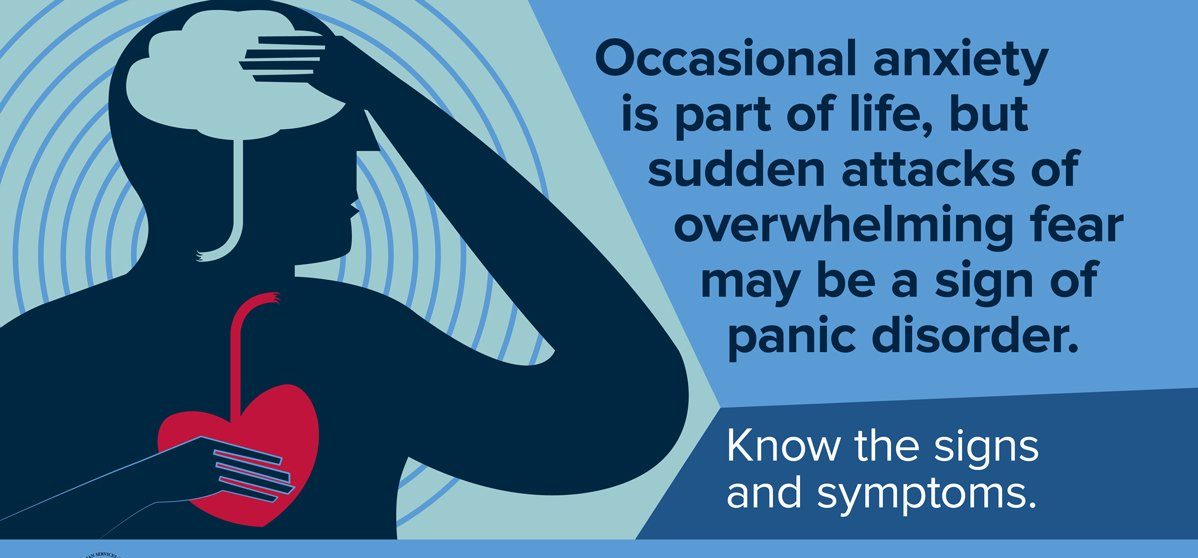
How to help someone with a panic attack. Signs of a panic attack

Letting the Panic Run Its Course

A vital but often overlooked aspect of how to help someone with a panic attack is allowing it to run its course. Panic attacks are self-limiting, meaning they peak and then subside, even though it may not feel that way in the moment. Trying to force the panic to stop can sometimes make it worse.

Encourage patience and remind them that the sensations will pass. Your steady presence helps communicate that there is no rush and no emergency. Avoid checking the clock repeatedly or acting as though something must be fixed immediately. Calm acceptance can shorten the duration and reduce the intensity of the episode.

Avoiding Common Mistakes That Can Escalate Panic

Understanding how to help someone with a panic attack also means knowing what not to do. Avoid telling them to “relax,” “calm down,” or “just breathe,” as these phrases can feel dismissive or impossible in the moment. Avoid arguing with their fears or trying to reason them out of panic, as logic often cannot penetrate during peak anxiety.

It is also important not to overwhelm them with information or questions. Even well-meaning suggestions can become too much. Focus on one supportive action at a time, guided by their responses and comfort level.

Supporting Them After the Panic Attack Ends

Once the intensity subsides, how to help someone with a panic attack shifts into gentle aftercare. Many people feel exhausted, shaky, or emotionally vulnerable after an episode. Offer reassurance and allow them time to recover. A glass of water, a quiet space, or simply sitting together can be comforting.

Avoid analyzing the attack immediately unless they ask. Some people need time before they are ready to talk about what happened. Let them lead the conversation, and remind them that experiencing a panic attack does not define them or erase their strengths.

Encouraging Ongoing Support and Professional Help

Helping someone in the moment is important, but how to help someone with a panic attack also includes encouraging long-term support when needed. If panic attacks are frequent, intense, or interfering with daily life, professional care can be transformative. Therapy, medication management, and holistic approaches can all play a role in reducing panic and restoring confidence.

Organizations like Ambrosia Behavioral Health offer comprehensive, compassionate care for anxiety and panic-related conditions. Encouraging someone to seek help is not about labeling them; it is about empowering them to reclaim their sense of safety and control.

Building Trust Through Consistent Compassion

Learning how to help someone with a panic attack is ultimately about building trust. Each supportive response reinforces the message that they are not alone and that their fear can be met with understanding rather than judgment. Over time, this trust can reduce the intensity and frequency of panic episodes.

Your willingness to stay present, listen, and respond with compassion can be a powerful healing force. Even when words fail, your calm presence communicates safety in ways that logic cannot.

A Final Word on Helping Someone With a Panic Attack

Helping someone through a panic attack is not about having the perfect words or techniques. It is about showing up with patience, empathy, and steadiness. By understanding how to help someone with a panic attack, you offer more than immediate relief. You offer reassurance that fear can be faced and survived, and that support is always within reach.

With compassion, education, and the right professional resources, panic does not have to control a person’s life. It can become something they understand, manage, and eventually move beyond, one calm moment at a time.

FAQ Section on How to Help Someone with a Panic Attack

What is the best thing to do first when helping someone with a panic attack?

The most important first step in how to help someone with a panic attack is to stay calm yourself. Your tone, body language, and pace strongly influence how safe the other person feels. Let them know you are there with them, that they are not alone, and that the sensations they are experiencing, while frightening, are not dangerous.

Should I call 911 or seek emergency help during a panic attack?

In most cases, a panic attack does not require emergency medical care and will pass on its own. However, if it is the person’s first panic attack, if symptoms are unusual, or if there is any concern about a medical issue such as chest pain related to heart problems, it is appropriate to seek medical evaluation. When in doubt, prioritize safety while remaining calm and reassuring.

What should I say to someone during a panic attack?

When learning how to help someone with a panic attack, simple and supportive language works best. Phrases like “I’m here with you,” “You’re safe right now,” and “This will pass” can be grounding. Avoid telling them to relax or stop panicking, as this can feel dismissive and increase distress.

Is it helpful to guide breathing during a panic attack?

Yes, gentle breathing support can be very helpful, but it should never be forced. Modeling slow, steady breathing and inviting them to breathe with you can naturally slow their breathing pattern. If they cannot focus on breathing, simply continue breathing calmly yourself, as this often helps regulate their nervous system.

How long do panic attacks usually last?

Most panic attacks peak within minutes and begin to subside within 20 to 30 minutes. Even though it can feel endless to the person experiencing it, understanding this timeline is an important part of how to help someone with a panic attack, as reassurance that the episode will pass can reduce fear.

What should I avoid doing when helping someone with a panic attack?

Avoid arguing with their fears, overwhelming them with questions, or insisting they “calm down.” Avoid minimizing their experience by saying things like “it’s all in your head.” Panic attacks feel very real, and invalidating the experience can make symptoms worse.

How can I help someone after the panic attack is over?

After a panic attack, many people feel drained or embarrassed. Offer quiet reassurance, a calm space, and time to recover. Let them decide whether they want to talk about it. Continuing to be supportive after the episode is an important part of how to help someone with a panic attack.

Can panic attacks happen without an obvious reason?

Yes, panic attacks can occur unexpectedly and without a clear trigger. This unpredictability is often what makes them so frightening. Understanding that panic attacks can arise spontaneously can help you respond with empathy rather than confusion or frustration.

When should someone seek professional help for panic attacks?

If panic attacks happen frequently, interfere with daily life, or cause ongoing fear about having another attack, professional treatment can be very effective. Therapy, medication management, and integrated behavioral health care can significantly reduce symptoms and improve quality of life.


Can learning how to help someone with a panic attack really make a difference?

Absolutely. Knowing how to help someone with a panic attack builds trust, reduces fear, and can shorten the duration of an episode. Your calm presence and understanding can be a powerful source of relief and reassurance during one of the most vulnerable moments a person can experience.

How to Help Someone With a Panic Attack: A Compassionate, Practical Guide

DANESH ALAM

Danesh Alam MD, DFAPA, DFASAM
Medical Reviewer

Dr. Alam is an internationally renowned psychiatrist with academic affiliations with Northwestern University and University of Illinois, Chicago where he completed his residency training. He has been a principal investigator for over forty studies and has been involved in research leading to the approval of most psychiatric medications currently on the market. He is the founder of the Neuroscience Research Institute which continues to conduct research on cutting edge medication and interventional psychiatry. Dr. Alam is a Distinguished Fellow of the American Psychiatric Association and the American Society of Addiction Medicine. He has won several awards and has been featured extensively on radio and television.

How to help someone with a panic attack Ambrosia Behavioral Health

How to Help Someone with a Panic Attack

Knowing how to help someone with a panic attack can make a profound difference in a moment that feels terrifying and overwhelming. Panic attacks often arrive without warning, flooding the body with intense fear and physical symptoms that can mimic a medical emergency. For the person experiencing it, the fear is real, the sensations are powerful, and reassurance can feel out of reach. For the person offering help, uncertainty about what to say or do can add to the stress of the moment. This guide is designed to give you clear, grounded guidance so you can respond with confidence, calm, and compassion.

Panic attacks are not signs of weakness or personal failure. They are acute stress responses that can happen to anyone, including people who appear outwardly calm and capable. Learning how to help someone with a panic attack means learning how to be present, steady, and supportive while the nervous system finds its way back to balance.

Understanding What a Panic Attack Feels Like

Before you can truly understand how to help someone with a panic attack, it helps to understand what they are experiencing from the inside. A panic attack is a sudden surge of intense fear or discomfort that peaks within minutes. Common sensations include a racing or pounding heart, shortness of breath, dizziness, chest tightness, nausea, shaking, sweating, and a feeling of losing control or dying. These sensations are driven by the body’s fight-or-flight response, even though there is no immediate danger.

For many people, the most frightening part is not the physical symptoms themselves but the fear that something catastrophic is happening. Thoughts may spiral quickly, and logic can feel inaccessible. This is why calm reassurance and a steady presence are so powerful. Your role is not to argue with their fear but to help their nervous system slow down and feel safe again.

Staying Calm So They Can Feel Safe

One of the most important steps in how to help someone with a panic attack is managing your own response. People in panic are highly sensitive to cues from those around them. If you appear alarmed, rushed, or panicked yourself, their fear may intensify. Taking a slow breath, lowering your voice, and moving deliberately sends a powerful signal of safety.

Speak in a calm, even tone. Simple, clear language works best. Let them know you are there and that they are not alone. Phrases like “I’m here with you” or “You’re safe right now” can be grounding. Avoid overwhelming them with too many words or questions. Your calm presence is often more effective than anything you say.

Create a grounding environment

Creating a Grounding Environment

Another key part of how to help someone with a panic attack is shaping the environment around them. If possible, move to a quieter, less stimulating space. Bright lights, loud noises, or crowds can intensify symptoms. If moving is not possible, help them focus inward rather than on external chaos.

Encourage them to sit or stand in a comfortable position. Some people feel better sitting upright, while others prefer to lean against a wall or chair. Respect their preferences. Physical comfort can help the nervous system settle more quickly.

Guiding the Breath Without Forcing It

Breathing plays a central role in how to help someone with a panic attack, but it must be approached gently. Panic often causes rapid, shallow breathing, which can increase dizziness and chest tightness. Instead of telling them to “calm down” or “take a deep breath,” model slow breathing yourself and invite them to follow if they can.

You might say, “Let’s breathe together for a moment,” and then inhale slowly through your nose and exhale through your mouth. Counting can help, such as breathing in for four seconds and out for six. If they resist or say they can’t focus on breathing, do not push. Simply continue breathing slowly yourself. Often, their body will begin to mirror your pace naturally.

Using Gentle Grounding Techniques

Grounding techniques are an essential part of how to help someone with a panic attack because they anchor attention in the present moment. When fear pulls the mind into catastrophic thoughts, grounding brings awareness back to what is real and safe right now.

You can gently encourage them to notice physical sensations, such as their feet on the floor or the chair supporting their body. Asking them to name things they can see, hear, or feel can also help shift attention away from panic. Keep your prompts simple and supportive, and avoid anything that feels like a test or demand. The goal is not to distract them forcefully but to offer an anchor.

Validating Their Experience Without Reinforcing Fear

Validation is a crucial element of how to help someone with a panic attack. This means acknowledging that what they are feeling is real and intense, without reinforcing the idea that they are in danger. Statements like “I can see how scared you are” or “This feels really intense right now” can help them feel understood.

At the same time, avoid statements that may unintentionally increase fear, such as “This is really bad” or “I don’t know what’s happening.” If they express fears about dying or losing control, respond calmly with reassurance. You might say, “I know it feels scary, but panic attacks pass, and you are safe.” Over time, this balanced validation can help reduce the fear of fear itself.

How to help someone with a panic attack. Signs of a panic attack

Letting the Panic Run Its Course

A vital but often overlooked aspect of how to help someone with a panic attack is allowing it to run its course. Panic attacks are self-limiting, meaning they peak and then subside, even though it may not feel that way in the moment. Trying to force the panic to stop can sometimes make it worse.

Encourage patience and remind them that the sensations will pass. Your steady presence helps communicate that there is no rush and no emergency. Avoid checking the clock repeatedly or acting as though something must be fixed immediately. Calm acceptance can shorten the duration and reduce the intensity of the episode.

Avoiding Common Mistakes That Can Escalate Panic

Understanding how to help someone with a panic attack also means knowing what not to do. Avoid telling them to “relax,” “calm down,” or “just breathe,” as these phrases can feel dismissive or impossible in the moment. Avoid arguing with their fears or trying to reason them out of panic, as logic often cannot penetrate during peak anxiety.

It is also important not to overwhelm them with information or questions. Even well-meaning suggestions can become too much. Focus on one supportive action at a time, guided by their responses and comfort level.

Supporting Them After the Panic Attack Ends

Once the intensity subsides, how to help someone with a panic attack shifts into gentle aftercare. Many people feel exhausted, shaky, or emotionally vulnerable after an episode. Offer reassurance and allow them time to recover. A glass of water, a quiet space, or simply sitting together can be comforting.

Avoid analyzing the attack immediately unless they ask. Some people need time before they are ready to talk about what happened. Let them lead the conversation, and remind them that experiencing a panic attack does not define them or erase their strengths.

Encouraging Ongoing Support and Professional Help

Helping someone in the moment is important, but how to help someone with a panic attack also includes encouraging long-term support when needed. If panic attacks are frequent, intense, or interfering with daily life, professional care can be transformative. Therapy, medication management, and holistic approaches can all play a role in reducing panic and restoring confidence.

Organizations like Ambrosia Behavioral Health offer comprehensive, compassionate care for anxiety and panic-related conditions. Encouraging someone to seek help is not about labeling them; it is about empowering them to reclaim their sense of safety and control.

Building Trust Through Consistent Compassion

Learning how to help someone with a panic attack is ultimately about building trust. Each supportive response reinforces the message that they are not alone and that their fear can be met with understanding rather than judgment. Over time, this trust can reduce the intensity and frequency of panic episodes.

Your willingness to stay present, listen, and respond with compassion can be a powerful healing force. Even when words fail, your calm presence communicates safety in ways that logic cannot.

A Final Word on Helping Someone With a Panic Attack

Helping someone through a panic attack is not about having the perfect words or techniques. It is about showing up with patience, empathy, and steadiness. By understanding how to help someone with a panic attack, you offer more than immediate relief. You offer reassurance that fear can be faced and survived, and that support is always within reach.

With compassion, education, and the right professional resources, panic does not have to control a person’s life. It can become something they understand, manage, and eventually move beyond, one calm moment at a time.

FAQ Section on How to Help Someone with a Panic Attack

What is the best thing to do first when helping someone with a panic attack?

The most important first step in how to help someone with a panic attack is to stay calm yourself. Your tone, body language, and pace strongly influence how safe the other person feels. Let them know you are there with them, that they are not alone, and that the sensations they are experiencing, while frightening, are not dangerous.

Should I call 911 or seek emergency help during a panic attack?

In most cases, a panic attack does not require emergency medical care and will pass on its own. However, if it is the person’s first panic attack, if symptoms are unusual, or if there is any concern about a medical issue such as chest pain related to heart problems, it is appropriate to seek medical evaluation. When in doubt, prioritize safety while remaining calm and reassuring.

What should I say to someone during a panic attack?

When learning how to help someone with a panic attack, simple and supportive language works best. Phrases like “I’m here with you,” “You’re safe right now,” and “This will pass” can be grounding. Avoid telling them to relax or stop panicking, as this can feel dismissive and increase distress.

Is it helpful to guide breathing during a panic attack?

Yes, gentle breathing support can be very helpful, but it should never be forced. Modeling slow, steady breathing and inviting them to breathe with you can naturally slow their breathing pattern. If they cannot focus on breathing, simply continue breathing calmly yourself, as this often helps regulate their nervous system.

How long do panic attacks usually last?

Most panic attacks peak within minutes and begin to subside within 20 to 30 minutes. Even though it can feel endless to the person experiencing it, understanding this timeline is an important part of how to help someone with a panic attack, as reassurance that the episode will pass can reduce fear.

What should I avoid doing when helping someone with a panic attack?

Avoid arguing with their fears, overwhelming them with questions, or insisting they “calm down.” Avoid minimizing their experience by saying things like “it’s all in your head.” Panic attacks feel very real, and invalidating the experience can make symptoms worse.

How can I help someone after the panic attack is over?

After a panic attack, many people feel drained or embarrassed. Offer quiet reassurance, a calm space, and time to recover. Let them decide whether they want to talk about it. Continuing to be supportive after the episode is an important part of how to help someone with a panic attack.

Can panic attacks happen without an obvious reason?

Yes, panic attacks can occur unexpectedly and without a clear trigger. This unpredictability is often what makes them so frightening. Understanding that panic attacks can arise spontaneously can help you respond with empathy rather than confusion or frustration.

When should someone seek professional help for panic attacks?

If panic attacks happen frequently, interfere with daily life, or cause ongoing fear about having another attack, professional treatment can be very effective. Therapy, medication management, and integrated behavioral health care can significantly reduce symptoms and improve quality of life.

Can learning how to help someone with a panic attack really make a difference?

Absolutely. Knowing how to help someone with a panic attack builds trust, reduces fear, and can shorten the duration of an episode. Your calm presence and understanding can be a powerful source of relief and reassurance during one of the most vulnerable moments a person can experience.

Table of Contents
Scroll to Top