STD and STI Testing in Florida Harm Reduction
Harm Reduction and the Role of STD Testing in Florida
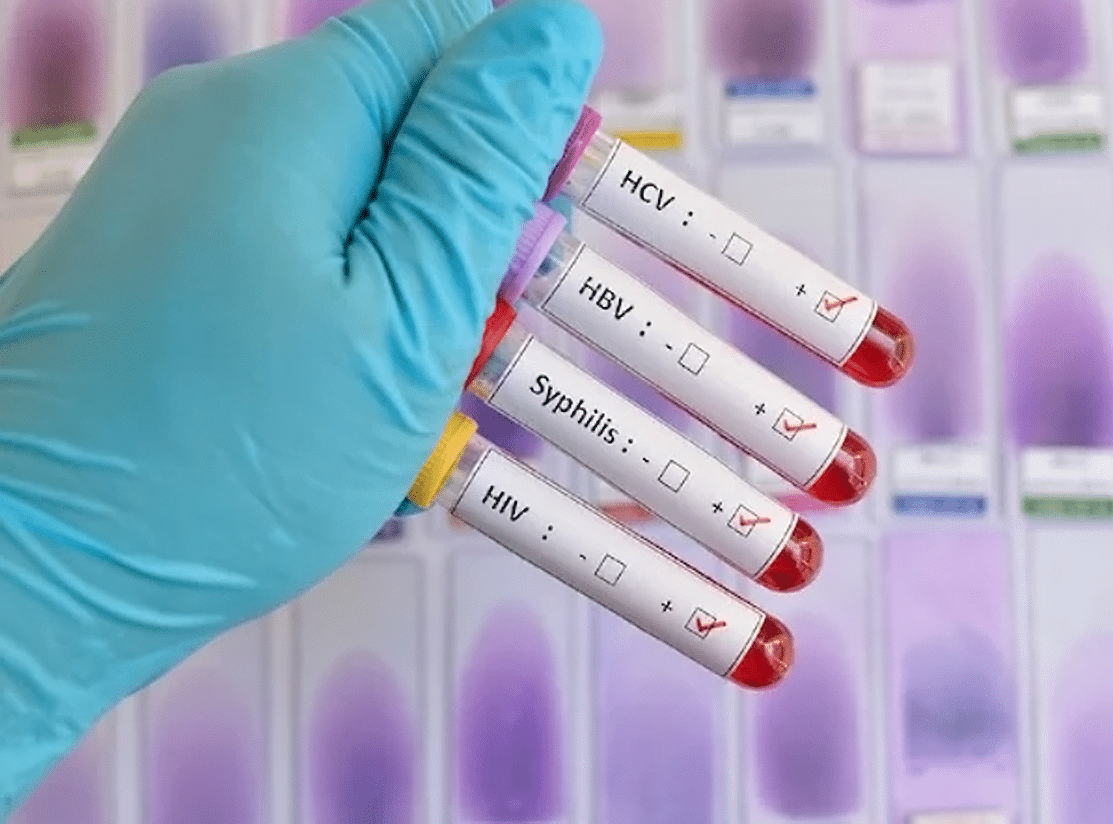
Harm Reduction has become a cornerstone of modern public health strategy, particularly in states like Florida where diverse populations, high tourism volume, and varying access to healthcare create unique challenges. At its core, Harm Reduction focuses on minimizing the negative health, social, and legal impacts associated with high-risk behaviors rather than demanding immediate behavior change. STD testing plays a critical role within this framework, offering individuals a practical, nonjudgmental pathway to protect their health, reduce transmission, and stay connected to care regardless of their circumstances.
In Florida, Harm Reduction strategies are increasingly recognized as essential for addressing sexually transmitted diseases, especially among populations experiencing substance use disorders, housing instability, limited healthcare access, or stigma around sexual health. STD testing is not simply a diagnostic tool in this context; it is an entry point into prevention, education, and long-term health engagement.
Understanding Harm Reduction in a Sexual Health Context
Harm Reduction acknowledges a simple reality: people engage in behaviors that carry risk, and withholding care until those behaviors stop only increases harm. Within sexual health, Harm Reduction prioritizes realistic interventions such as regular STD testing, education on safer sex practices, access to condoms, and timely treatment. Rather than moralizing or penalizing sexual activity, Harm Reduction meets people where they are and offers tools to reduce negative outcomes.
STD testing fits naturally into this philosophy. It allows individuals to understand their health status without fear of punishment or judgment. In Florida, where cultural, religious, and political factors can sometimes discourage open discussions around sexual health, Harm Reduction-based STD testing programs help bridge the gap between public health goals and real-world behavior.
Florida’s STD Landscape and Public Health Challenges
Florida consistently reports high rates of sexually transmitted infections, including chlamydia, gonorrhea, syphilis, and HIV. Urban centers, rural communities, coastal tourism hubs, and seasonal population shifts all contribute to increased transmission risk. Substance use, particularly injection drug use and stimulant use, further elevates the risk of STD exposure through overlapping sexual and social networks.
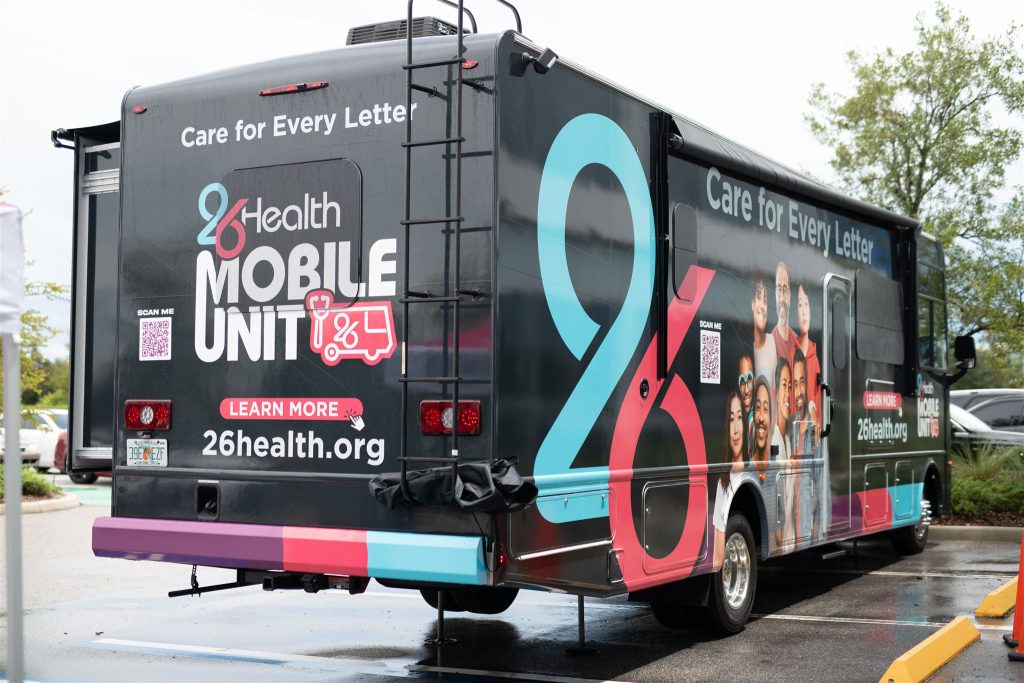
Harm Reduction addresses these challenges by removing barriers to testing. Traditional healthcare models often rely on appointments, insurance coverage, and stable transportation, all of which can be inaccessible for vulnerable populations. Harm Reduction-based STD testing initiatives in Florida frequently operate through community clinics, mobile testing units, outreach programs, and partnerships with harm reduction organizations to reach individuals who might otherwise go untested.
Why STD Testing Is Central to Harm Reduction
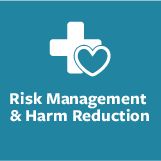
STD testing is one of the most effective tools in Harm Reduction because it directly interrupts disease transmission while empowering individuals with knowledge. Early detection allows for prompt treatment, reducing complications and preventing further spread. For infections like HIV and syphilis, early diagnosis can be life-saving and dramatically improve long-term outcomes.
From a Harm Reduction perspective, STD testing is also about autonomy and dignity. Individuals are given control over their health decisions without coercion. Testing is offered routinely, confidentially, and often at low or no cost, ensuring that fear of financial burden or stigma does not prevent care.
In Florida, integrating STD testing into Harm Reduction services has proven especially effective among people who use drugs, engage in transactional sex, or experience homelessness. These populations face higher exposure risk but are often least likely to access traditional healthcare settings.
Substance Use, Sexual Risk, and Integrated Harm Reduction Services
Substance use and sexual health are deeply interconnected. Alcohol and drug use can lower inhibitions, impair judgment, and increase the likelihood of unprotected sex or multiple partners. Injection drug use may also overlap with sexual networks that experience higher rates of HIV and other STDs.
Harm Reduction programs in Florida increasingly integrate STD testing alongside services such as syringe exchange, overdose prevention education, naloxone distribution, and substance use counseling. This integrated approach recognizes that separating sexual health from substance use treatment creates gaps in care. When STD testing is available in familiar, trusted Harm Reduction environments, individuals are more likely to engage consistently.
This model also allows healthcare providers to offer education, vaccinations, and referrals in a single interaction, strengthening overall health outcomes without overwhelming the individual.
Reducing Stigma Through Harm Reduction-Based Testing
Stigma remains one of the largest barriers to STD testing. Fear of judgment, discrimination, or legal consequences discourages many people from seeking care. Harm Reduction directly counters stigma by framing STD testing as routine, responsible, and normal rather than shameful.
In Florida, Harm Reduction-oriented clinics and outreach programs emphasize confidentiality, respectful language, and patient-centered care. Staff are trained to understand the social realities of the populations they serve, creating an environment where individuals feel safe disclosing sensitive information.
This reduction in stigma has measurable public health benefits. When people test earlier and more frequently, infection rates stabilize or decline, treatment becomes more effective, and long-term complications decrease.
Protecting Public Health Through Regular Testing
From a population-level perspective, STD testing within a Harm Reduction framework is a powerful public health intervention. Regular testing reduces undiagnosed infections, which are a primary driver of ongoing transmission. Florida’s public health system benefits when testing is widespread, accessible, and normalized.
Harm Reduction strategies recognize that testing frequency matters. Encouraging routine STD testing for sexually active individuals, especially those with higher exposure risk, allows health departments to track trends, respond to outbreaks, and allocate resources more effectively.
By supporting Harm Reduction-based testing initiatives, Florida strengthens its ability to protect both individual and community health without relying solely on punitive or abstinence-based approaches that have historically failed to reduce transmission.
STD Testing as a Gateway to Broader Healthcare
One of the often overlooked benefits of Harm Reduction-based STD testing is its role as a gateway to broader healthcare services. For many individuals in Florida, an STD test may be their first interaction with a healthcare provider in years. That initial contact creates opportunities for additional screenings, vaccinations, mental health support, and substance use treatment referrals.
Harm Reduction does not force individuals into services they are not ready for. Instead, it offers options and support. STD testing can open conversations about HIV prevention strategies such as PrEP, reproductive health planning, or ongoing primary care. Over time, these connections can lead to improved health stability and reduced reliance on emergency services.
Legal and Ethical Considerations in Florida
Florida’s legal landscape can influence how STD testing and Harm Reduction programs operate. While laws around confidentiality and consent generally support testing access, fear of legal repercussions still exists for some populations, particularly those involved in substance use or sex work.
Harm Reduction approaches emphasize ethical care, privacy, and informed consent. STD testing programs designed around Harm Reduction principles work to ensure that individuals understand their rights and are not exposed to unnecessary legal risk simply for seeking healthcare.
Maintaining trust is critical. When individuals believe that testing could result in punishment rather than support, they avoid care, increasing harm for themselves and others.

Expanding Access Through Community-Based Harm Reduction
Community-based Harm Reduction programs are essential for expanding STD testing access across Florida. These programs operate in neighborhoods, shelters, treatment centers, and mobile units, meeting people where they are physically and emotionally.
By decentralizing STD testing, Harm Reduction reduces dependence on hospital systems and traditional clinics that may feel intimidating or inaccessible. Community-based testing also allows for culturally competent care tailored to local populations, whether that means multilingual services, flexible hours, or peer-led education.
This localized approach has proven especially valuable in reaching underserved communities and reducing disparities in STD outcomes across the state.
The Future of Harm Reduction and STD Testing in Florida
As Florida continues to confront rising STD rates and evolving public health challenges, Harm Reduction will remain a vital strategy. Expanding STD testing access, integrating services, and addressing stigma are essential components of this future.
Innovations such as rapid testing, telehealth follow-ups, and mobile outreach will further strengthen Harm Reduction efforts. Continued investment in community-based programs and policy support will be critical to sustaining progress.
STD testing is not a standalone solution, but within a Harm Reduction framework, it becomes a powerful tool for empowerment, prevention, and connection to care.
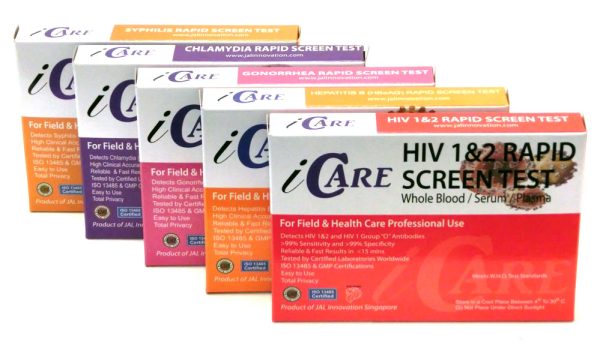
Conclusion: Harm Reduction as a Path to Health Equity
STD testing as part of Harm Reduction in Florida represents a compassionate, evidence-based approach to public health. By prioritizing access, dignity, and prevention over judgment, Harm Reduction helps individuals protect their health while strengthening communities as a whole.
In a state as diverse and complex as Florida, Harm Reduction-based STD testing is not just effective; it is necessary. Through continued commitment to these principles, Florida can reduce STD transmission, improve health outcomes, and move closer to true health equity for all residents.
Frequently Asked Questions About Harm Reduction and STD Testing in Florida
What is Harm Reduction in relation to STD testing?
Harm Reduction is a public health approach that focuses on minimizing the negative health impacts of risky behaviors rather than requiring those behaviors to stop entirely. In the context of STD testing, Harm Reduction prioritizes accessible, nonjudgmental testing so individuals can understand their sexual health, reduce transmission, and seek treatment without fear or stigma.
Why is STD testing considered a Harm Reduction strategy?
STD testing reduces harm by identifying infections early, preventing complications, and limiting the spread to others. Harm Reduction recognizes that people may continue to engage in sexual activity, and regular testing provides a practical way to protect both individual and community health without moral judgment.
Who should consider regular STD testing as part of Harm Reduction?
Anyone who is sexually active can benefit from STD testing, but Harm Reduction approaches strongly encourage regular testing for individuals with multiple partners, those who engage in unprotected sex, people who use substances, and anyone who may face barriers to traditional healthcare access. Testing frequency is based on risk, not identity or lifestyle labels.
Is STD testing confidential in Florida Harm Reduction programs?
Yes. Confidentiality is a core principle of Harm Reduction. STD testing programs in Florida are designed to protect personal privacy, comply with state and federal health laws, and ensure that individuals feel safe seeking care without fear of disclosure or discrimination.
How does Harm Reduction help people who use substances get STD testing?
Harm Reduction programs often integrate STD testing into existing services such as syringe exchange programs, mobile health units, and community outreach initiatives. This integration makes testing more accessible by offering it in trusted environments where individuals already receive support, reducing barriers like transportation, stigma, and fear of judgment.
Can STD testing through Harm Reduction programs help prevent HIV?
Absolutely. Harm Reduction-based STD testing plays a key role in HIV prevention by identifying infections early and connecting individuals to treatment, education, and prevention tools such as PrEP. Treating STDs also reduces biological factors that increase HIV transmission risk.
What happens if someone tests positive through a Harm Reduction program?
Testing positive does not result in punishment or exclusion. Harm Reduction programs focus on education, treatment referrals, and ongoing support. Individuals are guided through next steps, connected to medical care, and provided with resources to protect their health and the health of others.
Are Harm Reduction STD testing services affordable in Florida?
Many Harm Reduction programs in Florida offer free or low-cost STD testing. These services are often funded through public health initiatives, grants, or nonprofit organizations to ensure that cost does not prevent individuals from accessing care.
Does Harm Reduction encourage unsafe sexual behavior?
How does Harm Reduction STD testing benefit the broader community?
Florida Harm Reduction Organizations for STD Testing