Narcan and Naloxone in Harm Reduction
Harm reduction has emerged as one of the most evidence-based, compassionate, and pragmatic approaches to addressing the overdose crisis. At the center of this movement is Narcan, the widely recognized brand name for naloxone, a medication that can rapidly reverse opioid overdoses. As overdose deaths continue to affect communities across the United States, Narcan has become a symbol of survival, public health progress, and community empowerment. Understanding how Narcan works, why it matters, and how it fits into a broader harm reduction strategy is essential for policymakers, healthcare providers, first responders, families, and people who use drugs alike.
Narcan is not a cure for addiction, but it is one of the most powerful tools available to prevent death while individuals navigate treatment, recovery, or ongoing substance use. By making Narcan accessible and removing stigma around its use, communities can save lives and create pathways toward long-term health and stability.
What Narcan Is and How It Works
Narcan is a brand-name formulation of naloxone, an opioid antagonist that binds to opioid receptors in the brain and displaces opioids such as heroin, fentanyl, morphine, oxycodone, and methadone. When an overdose occurs, opioids suppress the central nervous system, slowing or stopping breathing. Narcan reverses this effect by restoring normal respiration within minutes, often making the difference between life and death.
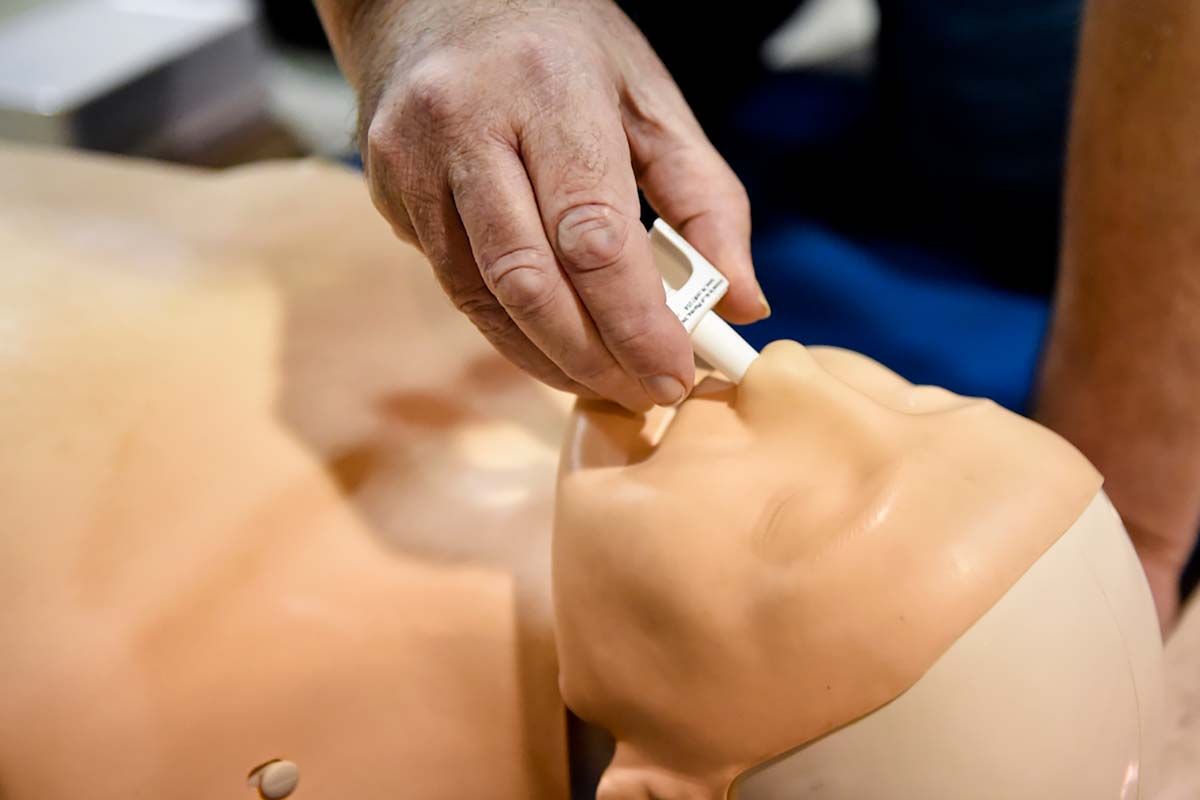
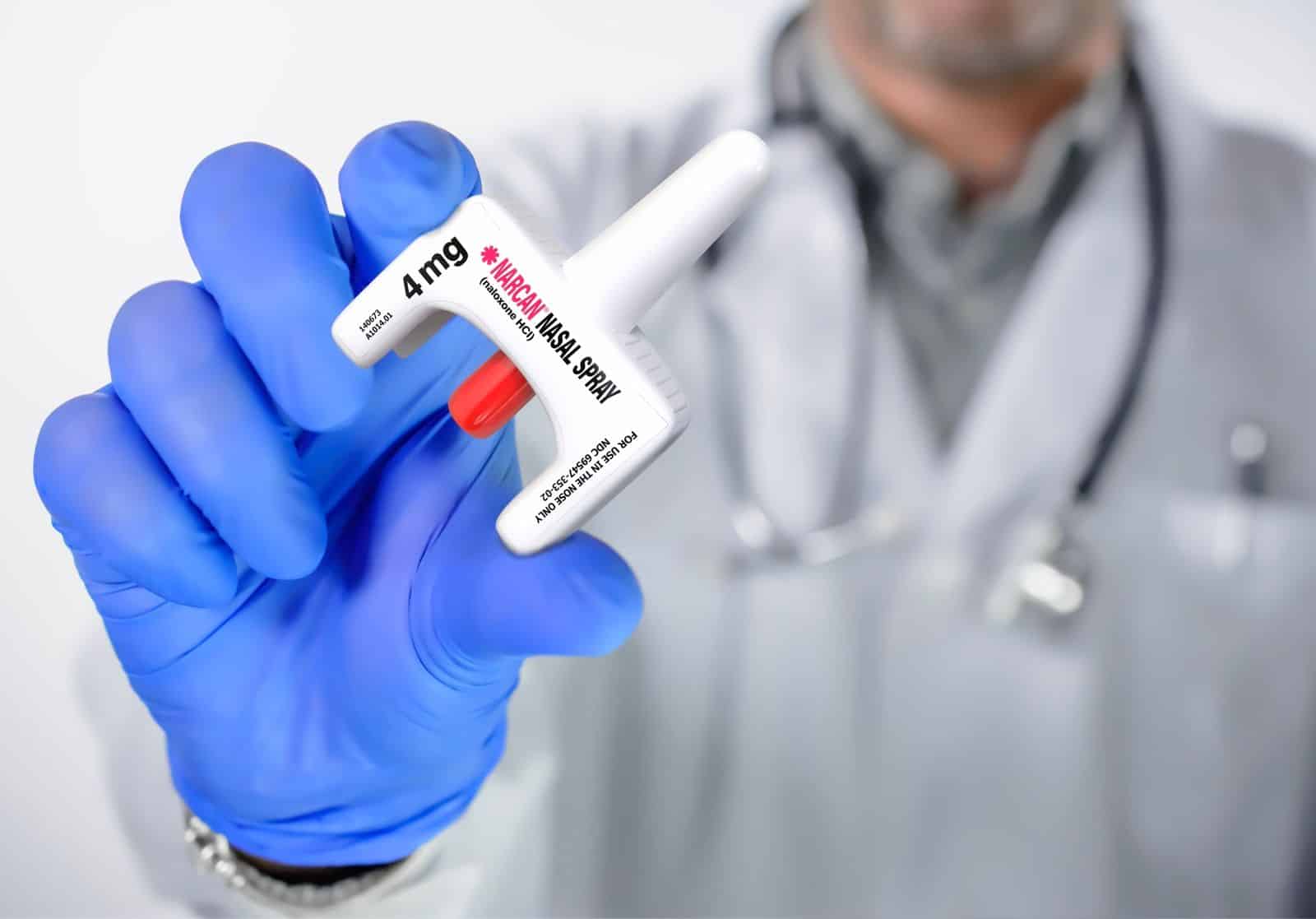
Narcan is most commonly available as a nasal spray, though injectable versions also exist. The nasal spray format has made Narcan easy to administer for people without medical training. When sprayed into the nostril of a person experiencing an opioid overdose, naloxone is rapidly absorbed into the bloodstream, where it begins to counteract the opioids that are causing respiratory depression.
One of the most important characteristics of Narcan is its safety profile. Naloxone has no effect if opioids are not present in the body, which means it will not harm someone who is unconscious for a reason other than an opioid overdose. It is not addictive, does not produce a high, and cannot be abused. The only significant side effects are related to the sudden onset of opioid withdrawal in someone who is physically dependent on opioids, which can include nausea, agitation, sweating, and discomfort. While unpleasant, these effects are far preferable to the fatal consequences of an untreated overdose.
The Role of Narcan in Harm Reduction
Harm reduction is a public health philosophy that focuses on minimizing the negative consequences of drug use rather than insisting on immediate abstinence as the only acceptable goal. Narcan is one of the clearest examples of harm reduction in action because it directly addresses the most immediate risk associated with opioid use: overdose death.
In harm reduction settings, Narcan is distributed widely to people who use opioids, their friends and family members, outreach workers, shelter staff, and community organizations. The logic is simple and supported by data: overdoses are most often witnessed by other people who use drugs, not by medical professionals. By ensuring that Narcan is in the hands of those most likely to encounter an overdose, communities dramatically increase the chances that someone will survive long enough to receive further medical care or enter treatment.
Narcan also plays a psychological and cultural role within harm reduction. Its availability communicates a fundamental message: every life has value, regardless of a person’s current relationship with drugs. This shift in perspective helps reduce stigma, fosters trust between service providers and people who use drugs, and creates opportunities for engagement around safer use practices, treatment options, and social services.
Why Narcan Matters in the Fentanyl Era
The modern overdose crisis is defined by the widespread presence of fentanyl and other synthetic opioids. These substances are far more potent than heroin or prescription painkillers and are often mixed into non-opioid drugs without the user’s knowledge. This unpredictability has driven a dramatic rise in overdose deaths and made Narcan more essential than ever.
Fentanyl-related overdoses often occur rapidly and can require multiple doses of Narcan to reverse. While naloxone is still highly effective against fentanyl, its shorter duration of action compared to long-acting opioids means that people who receive Narcan must be monitored and encouraged to seek medical care, as the overdose can return once the naloxone wears off.
In this context, Narcan is not merely a backup measure but a frontline defense. Many public health agencies now treat Narcan distribution as a core component of community safety, similar to fire extinguishers or defibrillators. In neighborhoods heavily impacted by fentanyl, widespread access to Narcan has been directly linked to reductions in fatal overdoses.
Narcan Access and Policy Shifts
Over the past decade, policies surrounding Narcan have changed dramatically. Once available only by prescription, Narcan is now sold over the counter in many countries, including the United States. This shift reflects growing recognition that barriers to access cost lives.
Good Samaritan laws in many states now protect individuals who call emergency services during an overdose from certain legal consequences related to drug possession. These laws are often paired with Narcan distribution programs to encourage people to seek help without fear of arrest. While the specifics vary by jurisdiction, the overall trend has been toward greater legal and logistical support for Narcan access.
Pharmacies, community health clinics, syringe service programs, libraries, schools, and even vending machines now distribute Narcan. Some cities have installed Narcan boxes in public spaces, similar to automated external defibrillators. These innovations demonstrate a shift from viewing Narcan as a specialized medical intervention to recognizing it as a basic public health tool.
Narcan Training and Community Empowerment
While Narcan is easy to use, training significantly improves its effectiveness. Harm reduction organizations often provide brief overdose response training alongside Narcan distribution. These trainings teach people how to recognize the signs of an opioid overdose, such as slow or absent breathing, blue or gray lips, unresponsiveness, and gurgling sounds.
Participants also learn the basic steps of overdose response, including calling emergency services, administering Narcan, performing rescue breathing if necessary, and staying with the person until help arrives. This knowledge transforms bystanders into first responders and builds a sense of collective responsibility within communities.
For people who use drugs, carrying Narcan can be empowering. It allows individuals to protect themselves and their peers, reinforcing social bonds and mutual care. Many overdose survivors later report that the experience of being revived with Narcan served as a turning point, prompting them to seek treatment, reduce their use, or engage more actively with support services.
The Legal Status of Needle Exchange in Florida
Despite overwhelming evidence of its benefits, Narcan is still surrounded by misconceptions. One common myth is that Narcan encourages drug use by providing a safety net. Research consistently shows that access to naloxone does not increase opioid use or risky behavior. Instead, it reduces mortality and increases engagement with healthcare services.
Another stigma-related concern is that people who receive Narcan are “wasting resources” or “choosing” their fate. This perspective ignores the complex social, psychological, and biological factors that contribute to substance use disorders. Addiction is a chronic medical condition, not a moral failing, and Narcan is a medical intervention designed to treat an acute, life-threatening event.
There is also a misconception that Narcan is only for people who use illicit drugs. In reality, anyone prescribed opioids for pain, their family members, and older adults at risk of accidental overdose can benefit from having Narcan available. As prescription opioids and illicit opioids continue to intersect, the line between “medical” and “non-medical” overdose risk has become increasingly blurred.
Narcan and the Continuum of Care
While Narcan is a critical emergency tool, it is most effective when integrated into a broader continuum of care. Harm reduction does not exist in opposition to treatment and recovery; rather, it creates the conditions that make those outcomes possible.
After an overdose reversal with Narcan, individuals are at a heightened risk of experiencing another overdose, particularly if they resume use after a period of abstinence. This moment represents a powerful opportunity for intervention. Programs that pair Narcan distribution with immediate access to medication-assisted treatment, counseling, housing support, and peer navigation services have shown promising results.
Emergency departments and first responders are increasingly adopting protocols that include providing Narcan kits and treatment referrals after an overdose. Some hospitals now initiate buprenorphine treatment directly in the emergency room, connecting patients to outpatient care within days. These models recognize that saving a life with Narcan is only the first step in a longer journey toward stability and health.
Equity and Access in Narcan Distribution
Not all communities have benefited equally from the expansion of Narcan access. Rural areas, communities of color, and regions with limited healthcare infrastructure often face greater barriers to obtaining naloxone. Language barriers, transportation challenges, and mistrust of institutions can further limit the reach of Narcan programs.
Addressing these disparities requires intentional outreach and culturally competent programming. Mobile harm reduction units, peer-led distribution efforts, and partnerships with local organizations can help bridge gaps in access. Data-driven approaches that identify overdose hotspots and target Narcan distribution accordingly have also proven effective.
Equitable Narcan access is not just a logistical issue; it is a matter of social justice. Overdose deaths disproportionately affect marginalized populations, and ensuring universal access to Narcan is one of the most immediate and impactful ways to reduce these inequities.
The Future of Narcan in Harm Reduction
As the overdose crisis evolves, so too must the strategies used to combat it. Researchers are exploring longer-acting formulations of naloxone, higher-dose nasal sprays for potent synthetic opioids, and combination approaches that address polysubstance overdoses involving opioids and other depressants.
Public education campaigns are also expanding to normalize Narcan ownership in the same way that first aid kits and fire extinguishers are normalized. Schools, workplaces, and community centers are increasingly incorporating overdose response training into their safety programs.
Technology is beginning to play a role as well, with smartphone apps that alert nearby Narcan carriers to overdoses, wearable devices that detect respiratory depression, and data platforms that track overdose trends in real time. While these innovations are not substitutes for human connection and community engagement, they represent promising additions to the harm reduction toolkit.
Narcan as a Symbol of Compassion and Pragmatism
At its core, Narcan represents a shift in how society responds to addiction and overdose. It embodies a philosophy that prioritizes life, dignity, and practical solutions over punishment and moral judgment. By placing Narcan in the hands of ordinary people, communities are acknowledging that saving lives is a shared responsibility.
The widespread adoption of Narcan has already saved hundreds of thousands of lives, and its impact continues to grow. Each reversal is a reminder that recovery remains possible, that treatment options remain available, and that no one’s story is over until it truly ends.
Narcan is not a panacea, but it is one of the most powerful and accessible tools available in the fight against the overdose crisis. When combined with harm reduction principles, evidence-based treatment, and compassionate public policy, Narcan becomes more than a medication. It becomes a lifeline, a bridge to care, and a symbol of hope in a time of profound public health challenges.
In the ongoing effort to reduce overdose deaths and support people affected by opioid use disorder, Narcan stands as a testament to what is possible when science, empathy, and community action come together. Its continued expansion and integration into harm reduction strategies will remain essential as long as the overdose crisis persists.
Frequently Asked Questions About Narcan and Naloxone
What is Narcan and how is it different from naloxone?
Narcan is a brand-name version of naloxone, the medication used to reverse opioid overdoses. Naloxone is the generic drug name, while Narcan refers specifically to a nasal spray formulation that is widely distributed in harm reduction programs and sold over the counter. Both work the same way by blocking opioids from binding to receptors in the brain.
How does Narcan reverse an opioid overdose?
Narcan works by rapidly displacing opioids from the brain’s opioid receptors. This action restores normal breathing in someone whose respiration has slowed or stopped due to an overdose. The effects usually begin within two to three minutes, making Narcan a critical emergency intervention.
Can Narcan hurt someone if they are not overdosing on opioids?
Narcan is extremely safe and has no effect if opioids are not present in the body. It will not harm someone who is unconscious for reasons such as alcohol poisoning, low blood sugar, or a head injury. This safety profile is one reason Narcan is recommended for widespread community use.
Is Narcan addictive or capable of being abused?
Narcan is not addictive and does not produce any euphoric effects. It cannot be abused and does not create dependence. Its only function is to reverse the effects of opioids in the event of an overdose.
What side effects can occur after Narcan is used?
The most common side effects occur because Narcan can trigger sudden opioid withdrawal in people who are physically dependent on opioids. These effects may include nausea, vomiting, sweating, agitation, body aches, and anxiety. While uncomfortable, these symptoms are temporary and far less dangerous than an untreated overdose.
How many doses of Narcan might be needed for one overdose?
Some overdoses, especially those involving fentanyl or other potent synthetic opioids, may require multiple doses of Narcan. If there is no response within two to three minutes after the first dose, additional doses can be given until breathing improves or emergency services arrive.
How long does Narcan last in the body?
Narcan typically lasts between 30 and 90 minutes, depending on the individual and the opioids involved. Because some opioids last longer than naloxone, a person can slip back into overdose after Narcan wears off. This is why medical evaluation and monitoring are strongly recommended after any overdose reversal.
Should emergency services be called even if Narcan works?
Yes, emergency services should always be called after administering Narcan. An overdose is a life-threatening medical emergency, and professional care is necessary to monitor breathing, prevent complications, and address the risk of the overdose returning once the naloxone wears off.
Who should carry Narcan?
Is Narcan legal to carry and use?
Does Narcan encourage people to use more drugs?
Florida Harm Reduction Organizations