Harm Reduction in Florida
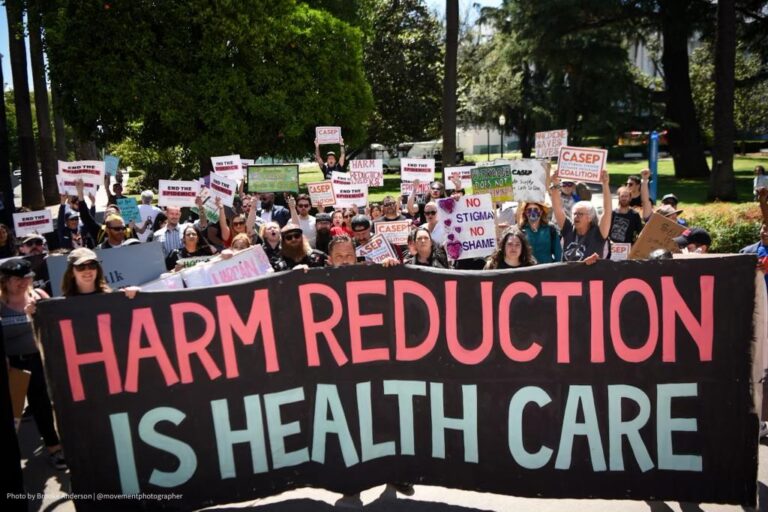
Harm reduction in Florida is a public-health approach focused on reducing the physical, mental, and social harms associated with substance use without requiring abstinence as a first step. It recognizes that substance use exists on a spectrum and that Floridians deserve compassionate, evidence-based care regardless of where they are in their journey.
In Florida, harm reduction strategies include overdose prevention with naloxone, access to fentanyl test strips where permitted, syringe services in approved counties, wound care, HIV and hepatitis C testing, safer-use education, and peer support. These interventions are proven to reduce overdose deaths, limit the spread of infectious diseases, and increase engagement with healthcare and treatment services.
By meeting people where they are, harm reduction in Florida saves lives, reduces stigma, and creates critical pathways to treatment, recovery, and long-term stability when individuals are ready.
Why Harm Reduction Matters
 Harm reduction matters because it saves lives, preserves dignity, and meets people where they are. Rather than requiring immediate abstinence, harm reduction focuses on practical, evidence-based strategies that reduce the negative consequences of substance use—such as overdose, infectious disease, and preventable injury.
Approaches like naloxone distribution, fentanyl test strips, syringe services, wound care, and peer support lower mortality and improve public health outcomes. They also create consistent points of contact with healthcare systems, making it more likely that individuals will seek medical care, mental health support, and—when ready—treatment and recovery services.
Harm reduction recognizes substance use as a complex health issue, not a moral failing. By prioritizing compassion, safety, and engagement, it builds trust, reduces stigma, and opens the door to long-term recovery and stability for individuals, families, and communities.
Forms of Harm Reduction
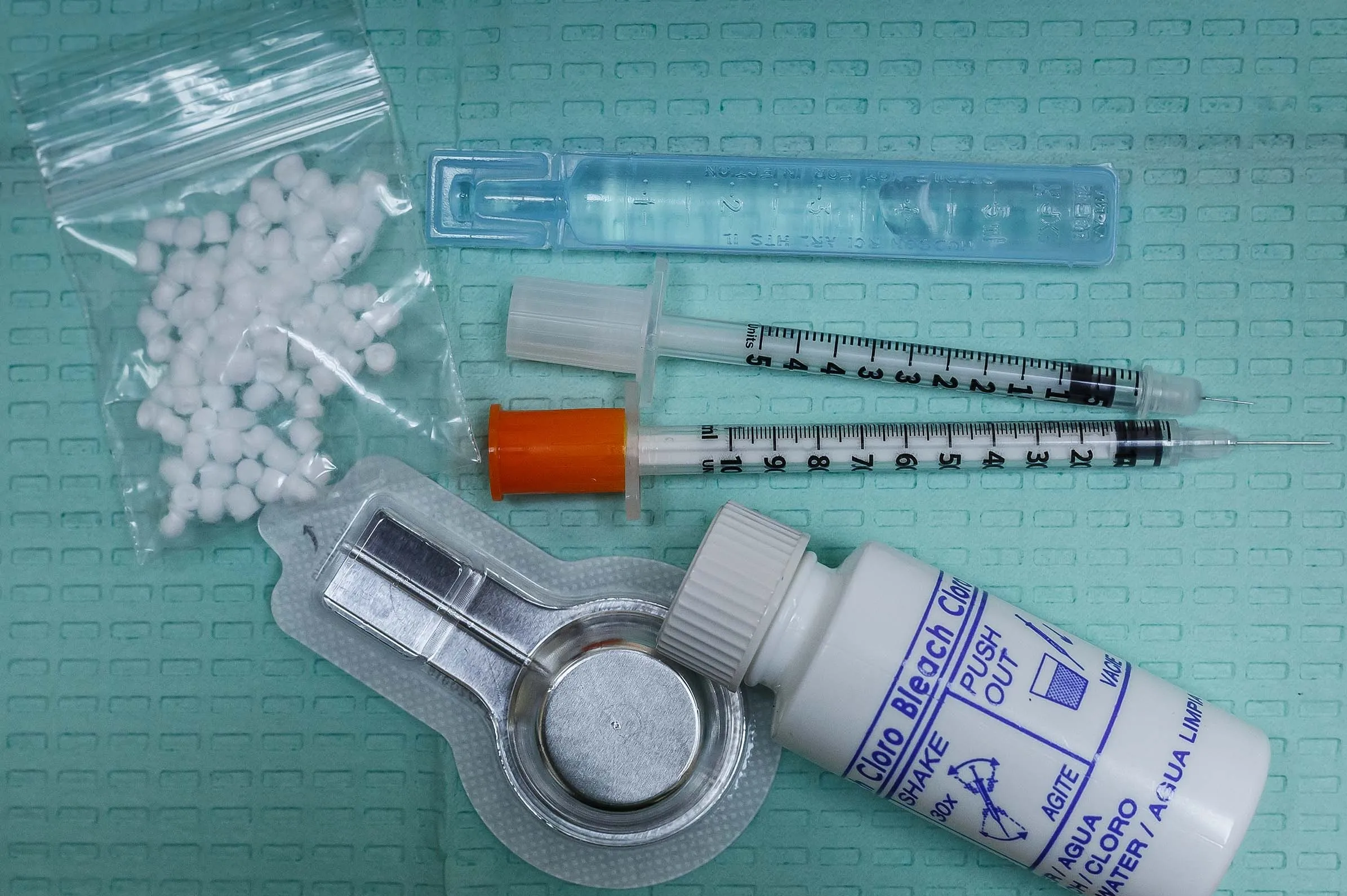
Needle Exchange Near Me
Needle exchange programs in Florida are legally permitted under the Infectious Disease Elimination Act (IDEA), which allows county commissions to authorize sterile syringe services to reduce HIV, hepatitis C, and other blood-borne infections. Programs must operate with county approval, follow oversight requirements, and typically run on a one-for-one exchange model (one clean syringe for each used one) with ancillary education and referral services. State, county, or municipal funds can’t directly support these programs; they rely on grants and donations. Examples include IDEA Exchange in Miami, Tampa’s syringe service program, and Broward County’s SPOT, all providing harm reduction resources and support.
Safe Injection Sites
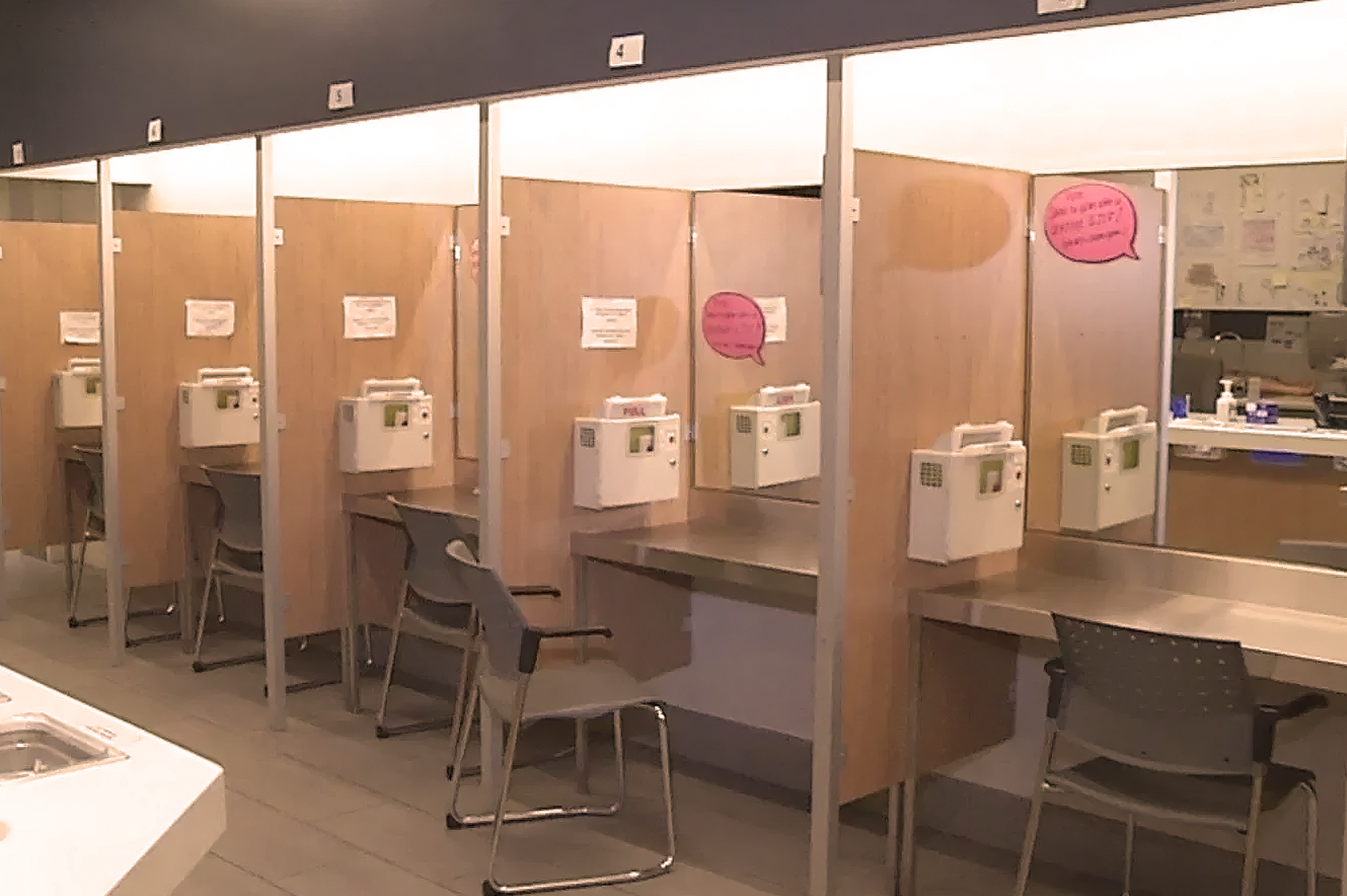
Safe injection sites, also known as supervised consumption sites, are regulated facilities where individuals can use pre-obtained substances under medical supervision. These sites aim to reduce overdose deaths, prevent the spread of infectious diseases like HIV and hepatitis C, and connect participants to healthcare, harm reduction services, and treatment options. Staff provide sterile equipment, overdose response, and immediate medical care if needed. Research from countries where these sites operate shows reductions in fatal overdoses, public drug use, and discarded syringes, while increasing access to addiction treatment and social services without increasing crime or drug use.

Fentanyl Test Strips
Fentanyl test strips are a harm reduction tool used to detect the presence of fentanyl and some fentanyl analogs in drugs before use. Because fentanyl is extremely potent and often mixed into substances without a person’s knowledge, test strips help reduce the risk of accidental overdose. When used properly, they can alert individuals to hidden fentanyl so they can take safer precautions, such as using less, not using alone, or carrying naloxone. Studies show fentanyl test strips increase safer-use behaviors and serve as an important bridge to education, treatment, and overdose prevention resources.
Narcan
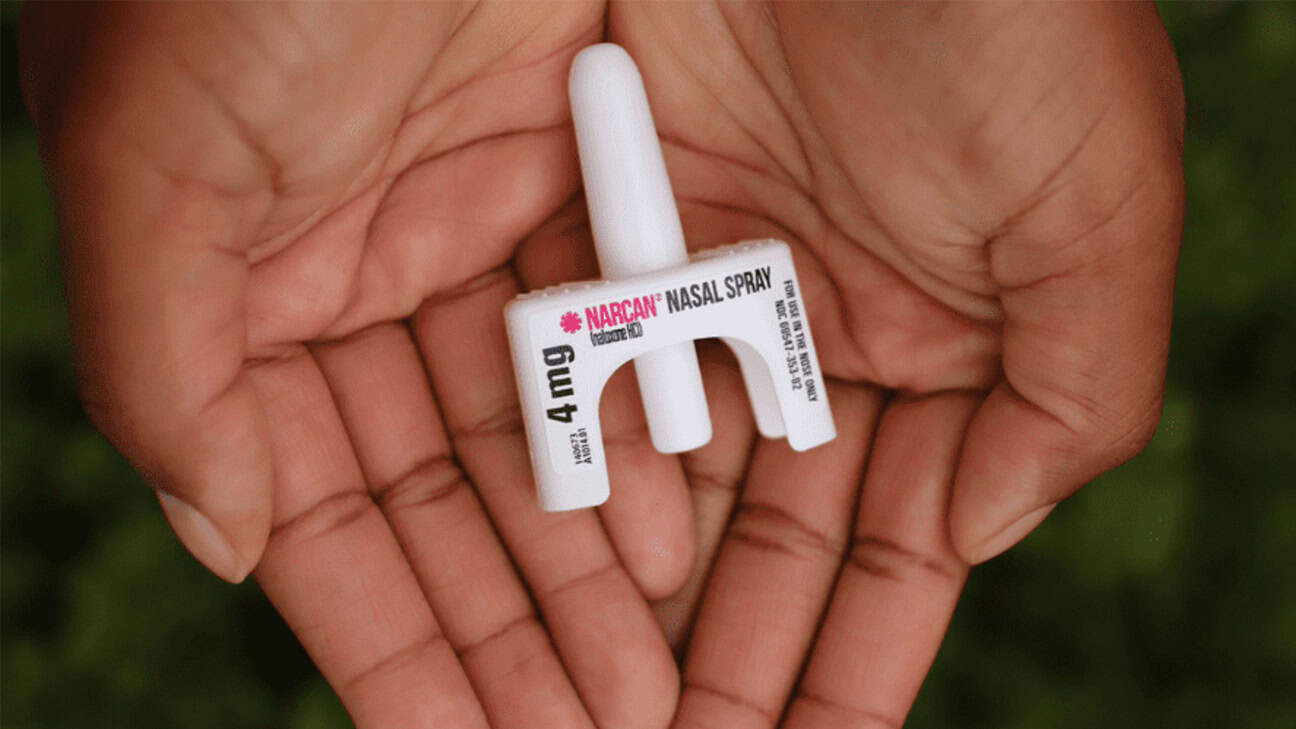
Narcan, the brand name for naloxone, is a life-saving medication widely used in harm reduction to reverse opioid overdoses. It works by quickly binding to opioid receptors and restoring normal breathing during an overdose emergency. Narcan is safe, non-addictive, and easy to administer as a nasal spray, making it accessible to bystanders, first responders, and people who use opioids. Widespread Narcan distribution has been shown to significantly reduce fatal overdoses and save lives. In harm reduction programs, Narcan is often paired with overdose education, encouraging safer use practices and providing a critical opportunity to connect individuals with treatment and support services.

Wound Care
Wound care is a critical component of harm reduction for people experiencing abscesses and tissue damage caused by injected drugs and additives like xylazine. Xylazine can restrict blood flow, leading to severe skin ulcers, infections, and delayed healing. Harm reduction programs provide basic wound care supplies, education on cleaning and protecting wounds, and guidance on when to seek medical attention. Early care helps prevent serious complications such as sepsis or limb-threatening infections. By offering nonjudgmental wound care support, harm reduction services reduce hospitalizations, improve health outcomes, and create trusted pathways to medical treatment and recovery services.
STD Testing / HIV Testing
STD testing and HIV testing are essential components of harm reduction, helping identify infections early and prevent further transmission. Many harm reduction programs offer free, confidential testing in nonjudgmental settings, making services accessible to people who may avoid traditional healthcare. Early detection allows individuals to begin treatment sooner, improving long-term health outcomes and reducing the risk of spreading infections to others. Testing services are often paired with education on safer injection and sexual practices, access to condoms and sterile supplies, and referrals to medical care. By integrating testing into harm reduction, programs protect both individual and public health while building trust and engagement.

Hep C Testing
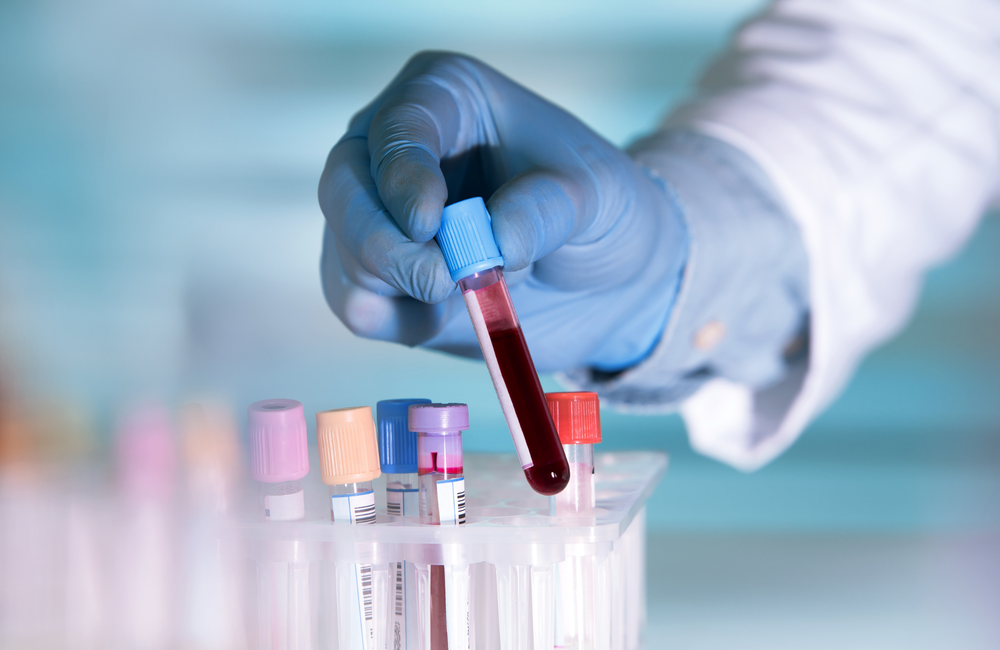
Hepatitis C testing is a vital part of harm reduction, especially for people who inject drugs, where the risk of transmission is higher. Many harm reduction programs offer free, rapid, and confidential Hep C testing in low-barrier, nonjudgmental settings. Early testing helps identify infections before serious liver damage occurs and allows individuals to access highly effective treatments that can cure Hepatitis C. Testing is often paired with education on safer injection practices, sterile equipment use, and referrals to medical providers. By expanding access to Hep C testing, harm reduction programs reduce transmission, improve health outcomes, and strengthen connections to ongoing care and recovery services.
Peer Support Specialist
A Peer Support Specialist plays a vital role in harm reduction by offering support grounded in lived experience, trust, and empathy. Often individuals with personal experience of substance use or recovery, peers build authentic connections that traditional systems may struggle to achieve. They provide education on safer use practices, overdose prevention, wound care, and available community resources, while also offering emotional support and advocacy. A peer support specialist helps reduce stigma, encourage engagement with health services, and guide individuals toward treatment when they are ready. In harm reduction settings, a peer support specialist creates a bridge between survival-focused services and long-term health, stability, and recovery options.

Frequently Asked Questions About Harm Reduction Services in Florida
What are safe injection sites?
Safe injection sites are supervised settings where individuals use substances under medical oversight to prevent overdoses and connect to care.
What are needle exchange programs?
Needle exchanges provide sterile syringes and safe disposal of used ones to reduce the spread of HIV, hepatitis C, and other infections.
What is harm reduction?
Harm reduction is a public health approach focused on reducing the negative health, social, and legal impacts of drug use without requiring abstinence.
What is Narcan and how does it help?
Narcan (naloxone) reverses opioid overdoses by restoring breathing and is a critical life-saving tool in harm reduction.
How do STD and HIV testing fit into harm reduction?
Testing allows early detection and treatment, reducing transmission and improving long-term health outcomes.
Why is wound care important in harm reduction?
Wound care helps prevent serious infections, tissue damage, and complications from injection-related injuries and substances like xylazine.
Why is Hepatitis C testing emphasized?
Hep C testing identifies infections early and connects people to treatments that can cure the disease and prevent further spread.
What is a Peer Support Specialist?
Peer Support Specialists are trained individuals with lived experience who provide education, support, and guidance in a nonjudgmental way.
Does harm reduction encourage drug use?
Florida Harm Reduction Organizations