Safe Injection Sites in Harm Reduction Strategies
Safe injection sites are increasingly recognized as a critical public-health response to the overlapping crises of overdose, infectious disease, homelessness, and untreated substance use disorder. As communities across the United States continue to face record numbers of drug-related deaths, policymakers, clinicians, and Harm reduction leaders are reevaluating what actually saves lives in real-world conditions. Within this broader framework, safe injection sites have emerged as one of the most rigorously studied and operationally focused harm reduction strategies available today.
In the context of harm reduction, the primary goal is not abstinence as a prerequisite for care, but safety, dignity, and survival. Safe injection sites function as an entry point into healthcare, social services, and treatment while immediately reducing preventable deaths and medical complications. For organizations and healthcare systems working in harm reduction, understanding how safe injection sites operate, what the evidence shows, and how they integrate with treatment pathways is essential.
Throughout this article, the term safe injection sites is used as the primary keyword and refers to facilities also known as supervised consumption sites or supervised injection facilities.
What Safe Injection Sites Are and How They Fit into Harm Reduction
Safe injection sites are legally sanctioned, medically supervised environments where individuals can use previously obtained substances under the care of trained health professionals. These facilities are designed to reduce immediate risks associated with drug use, including fatal overdose, unsafe injection practices, and the transmission of blood-borne infections such as HIV and hepatitis C.
Within a harm reduction framework, safe injection sites operate alongside needle exchange programs, naloxone distribution, wound-care services, infectious-disease testing, and pathways into detoxification and long-term treatment. Rather than replacing treatment services, safe injection sites extend the reach of the healthcare system to individuals who are often disconnected from traditional clinical settings.
One of the most widely studied examples is Insite, the first legally sanctioned supervised injection facility in North America. Its long-term evaluation has shaped how safe injection sites are designed, staffed, and regulated worldwide.
The defining feature of safe injection sites is not the act of drug use itself, but the presence of medical oversight, structured protocols, and immediate emergency response capabilities. This structure allows harm reduction to be practiced as a clinical discipline rather than as an informal outreach effort.
In communities facing high rates of overdose, public drug use, and hospital overcrowding, safe injection sites are increasingly viewed as part of a continuum of care rather than a standalone intervention.
How Safe Injection Sites Operate in Real-World Practice
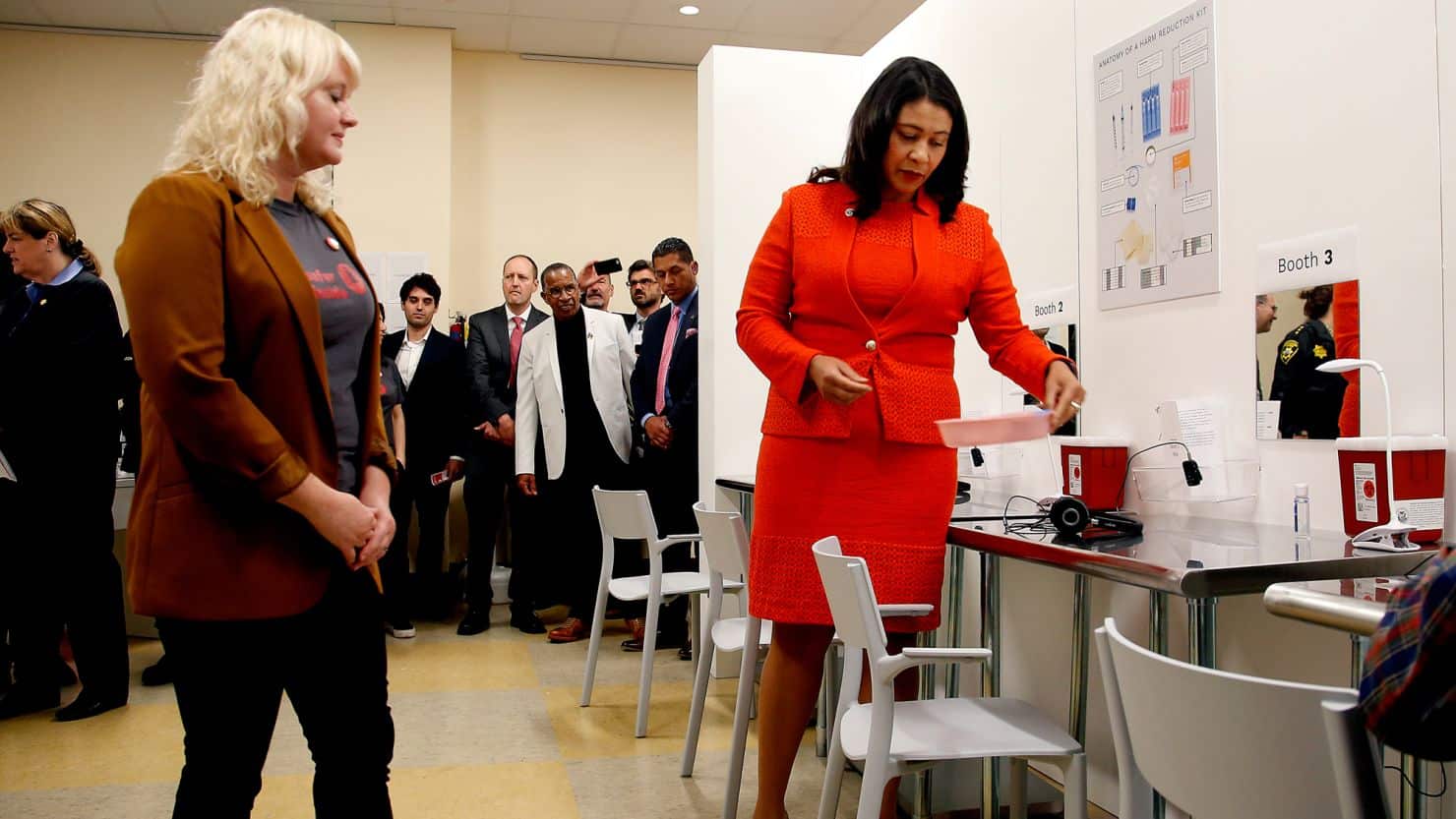
Safe injection sites follow standardized clinical and operational procedures designed to minimize harm while maintaining a non-judgmental environment. Upon entering a facility, participants are typically registered through a confidential and low-barrier intake process. No drugs are sold, stored, or supplied by the facility. Individuals bring their own substances and are responsible for their own consumption.
Medical staff provide sterile injection equipment, guidance on safer injection techniques, and education on overdose prevention. During consumption, trained nurses or harm reduction professionals remain present to monitor for signs of overdose or medical distress. If an overdose occurs, staff intervene immediately using oxygen, naloxone, and advanced life-support protocols.
After consumption, individuals are encouraged to remain in an observation area where staff monitor for delayed adverse reactions. During this time, participants are offered voluntary referrals to primary care, mental health services, medication-assisted treatment, housing programs, and detox or residential treatment providers.
What differentiates safe injection sites from informal or outreach-based harm reduction efforts is their ability to deliver consistent clinical oversight in a controlled environment. This operational structure allows facilities to systematically document overdoses reversed, medical complications treated, and referrals completed, creating reliable data streams that inform public-health planning.
In high-impact regions, safe injection sites often operate extended hours to mirror real drug-use patterns rather than traditional clinic schedules. This operational alignment is one of the reasons these programs reach individuals who are otherwise absent from healthcare systems.
The Public Health Evidence Behind Safe Injection Sites
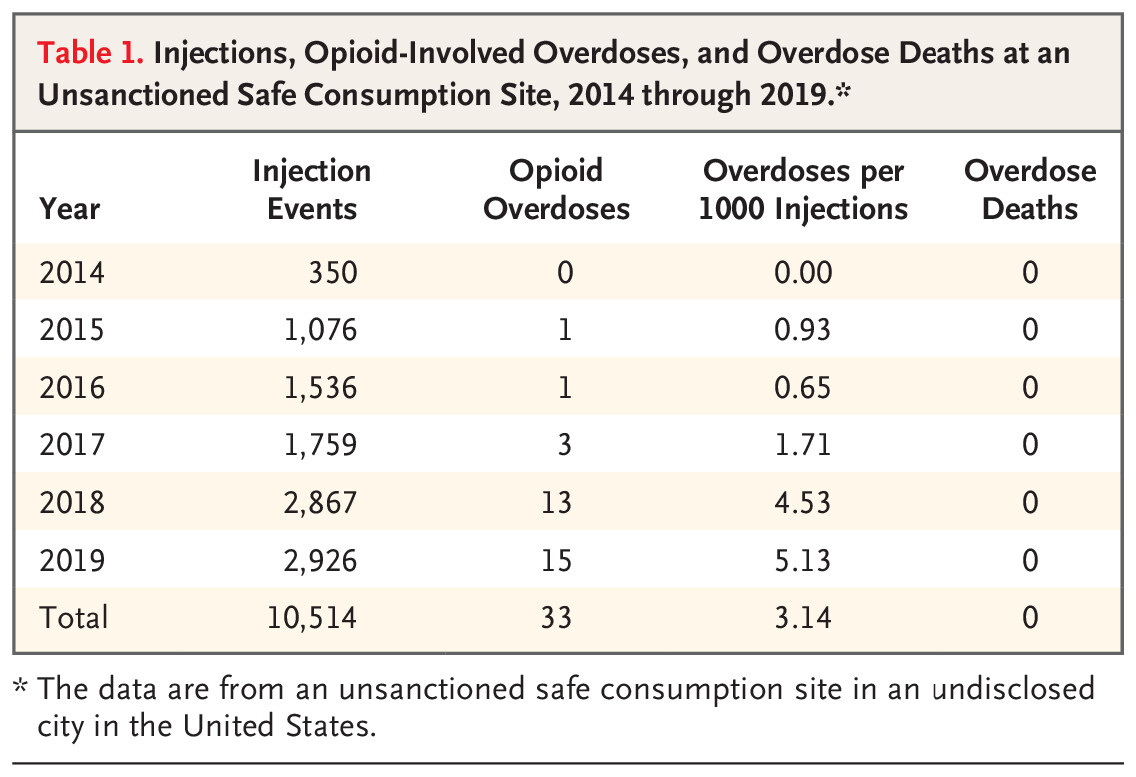
A substantial body of international research demonstrates that safe injection sites are associated with significant reductions in overdose mortality within the immediate vicinity of the facility. Studies consistently show that overdoses occurring inside safe injection sites are reversed successfully and do not result in death.
Beyond overdose prevention, safe injection sites contribute to reduced rates of HIV and hepatitis C transmission by providing sterile equipment and safer injection education. They also significantly decrease public injecting, improperly discarded syringes, and emergency-department utilization related to drug-use complications.
Another major finding from long-term evaluations is increased engagement with addiction treatment services. Contrary to the common misconception that safe injection sites discourage recovery, participants who regularly use these facilities are more likely to enter detox programs, opioid treatment programs, and residential rehabilitation services.
This effect occurs because safe injection sites serve as trust-building environments. Individuals who have experienced repeated stigma, criminalization, or poor healthcare encounters are more willing to engage with staff in a non-punitive setting. Over time, these relationships create opportunities for treatment conversations that are far more effective than crisis-driven referrals from emergency rooms or law enforcement.
Importantly, no credible evidence demonstrates that safe injection sites increase local crime, drug trafficking, or rates of new drug use. The available data instead suggest that these programs improve community conditions by stabilizing vulnerable populations and reducing visible drug-related activity in public spaces.
Safe Injection Sites and Their Role in Connecting People to Treatment
One of the most important contributions of safe injection sites to harm reduction strategies is their function as gateways into structured care. These facilities do not operate in isolation. They actively link participants to medication-assisted treatment such as buprenorphine and methadone, behavioral health services, primary medical care, and long-term recovery programs.
For individuals who are ambivalent or fearful about entering treatment, safe injection sites provide repeated, low-pressure exposure to healthcare professionals. This repeated contact gradually reduces barriers related to mistrust, fear of withdrawal, and uncertainty about the treatment process.
From a systems perspective, safe injection sites allow healthcare providers to identify high-risk individuals early. Staff frequently detect untreated infections, abscesses, chronic medical conditions, and mental health crises before they escalate into emergency-department visits or hospital admissions. This proactive engagement aligns directly with the goals of population health management and cost containment.
For treatment organizations, including detox centers and residential programs, safe injection sites can function as a reliable referral source for individuals who are clinically appropriate but have historically been difficult to engage. Many programs that collaborate with safe injection sites report improved treatment readiness and better follow-through on intake appointments.
In modern harm reduction models, safe injection sites are increasingly viewed as upstream interventions that stabilize individuals long enough to make recovery options accessible and realistic.
Legal, Ethical, and Community Considerations Surrounding Safe Injection Sites
The expansion of safe injection sites in the United States raises complex legal and ethical questions. Federal and state drug laws, zoning regulations, and public-health authorities often intersect in ways that require careful legal frameworks and governmental partnerships.
Ethically, safe injection sites are grounded in the principle that preserving life is the first responsibility of public health. Harm reduction recognizes that while abstinence-based recovery remains an important and necessary goal, preventing death and disease must come first. Safe injection sites embody this ethical approach by prioritizing immediate safety without imposing treatment mandates.
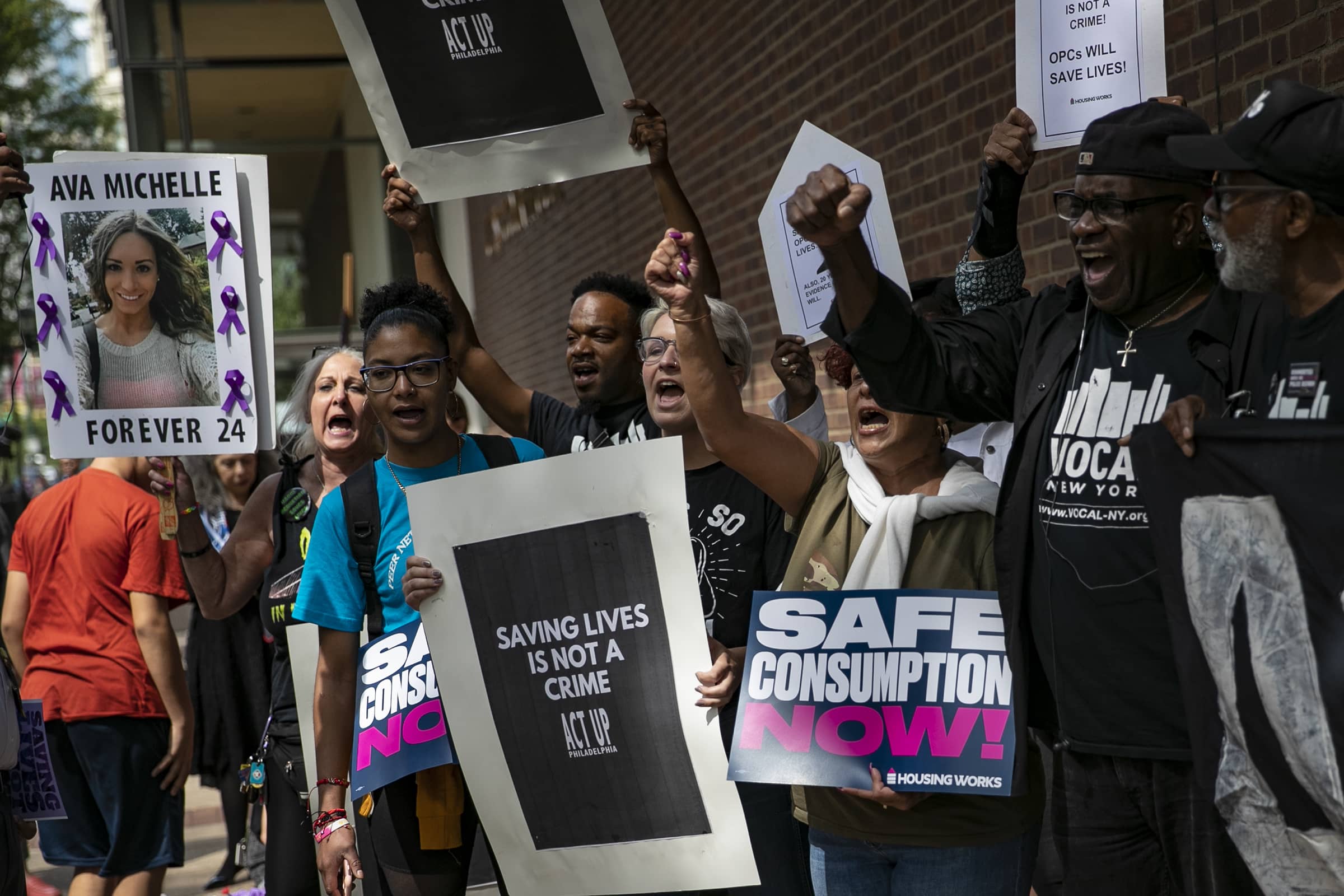
Community concerns often center on fears that safe injection sites may attract drug activity or disrupt neighborhoods. Transparent communication, ongoing community engagement, and public reporting of program outcomes are essential for building trust. In cities where safe injection sites have been implemented successfully, neighborhood conditions often improve due to reduced public injection, fewer discarded syringes, and lower demand for emergency services.
Operational transparency is especially important for healthcare leaders and policymakers evaluating whether safe injection sites align with broader public-health goals. Continuous monitoring, external audits, and collaborative partnerships with hospitals and behavioral-health systems help ensure accountability and public confidence.
The Future of Safe Injection Sites in Comprehensive Harm Reduction Strategies
As overdose deaths continue to rise and drug supplies become increasingly unpredictable due to fentanyl and synthetic adulterants, safe injection sites are becoming more relevant, not less. The unpredictability of potency and contamination dramatically increases overdose risk, even among experienced users. In this environment, medically supervised consumption settings offer a critical layer of protection.
Future harm reduction models are likely to integrate safe injection sites directly into broader healthcare hubs. These hubs may combine primary care, psychiatric services, medication-assisted treatment, wound care, housing navigation, and peer recovery support within a single facility. This integrated approach reflects a shift from fragmented crisis response toward coordinated, patient-centered care.
For healthcare systems, particularly those involved in behavioral health, addiction treatment, and emergency medicine, safe injection sites represent an opportunity to reduce preventable mortality while simultaneously improving engagement in evidence-based treatment. Rather than competing with recovery-oriented services, safe injection sites strengthen the overall treatment ecosystem by creating reliable pathways into care.
In a comprehensive harm reduction strategy, safe injection sites function as clinical stabilization environments. They address the most immediate threats to life while building the relationships and infrastructure necessary for long-term recovery.
Ultimately, the effectiveness of safe injection sites should not be evaluated in isolation. Their true value lies in how well they integrate with treatment providers, public health agencies, housing services, and community organizations to form a coordinated response to substance use disorder. As communities continue to search for solutions that are both compassionate and evidence-based, safe injection sites remain one of the most promising tools available for protecting life, reducing harm, and opening doors to recovery.
Frequently Asked Questions About Safe Injection Sites
What are safe injection sites and how do they work in practice?
Safe injection sites are medically supervised facilities where individuals can consume previously obtained drugs in a controlled, hygienic environment. Trained healthcare staff monitor each person for signs of overdose or medical distress, provide sterile equipment, and intervene immediately if a medical emergency occurs. In addition to overdose prevention, safe injection sites connect participants with primary care, mental health services, housing resources, and addiction treatment programs, making them an active part of a broader harm reduction system rather than a stand-alone service.
Are safe injection sites legal in the United States?
remains an evolving policy issue. Local and state governments often work with public health authorities and legal experts to establish pilot programs or sanctioned operations. In contrast, countries such as Canada have long-standing regulated models, including Insite, which has operated for years under a federal exemption framework. In the U.S., most initiatives are developed through public-health authorities, municipal leadership, and ongoing legal review.
Do safe injection sites increase crime or drug activity in surrounding neighborhoods?
Research consistently shows that safe injection sites do not increase crime, drug trafficking, or neighborhood disorder. In many communities, public drug use decreases after a site opens, and the number of discarded syringes found in public spaces drops significantly. By providing a structured and supervised environment, safe injection sites help move drug consumption away from streets, parks, and public restrooms, which can improve overall community conditions.
Do safe injection sites encourage people to keep using drugs instead of seeking recovery?
Safe injection sites are designed to keep people alive and medically stable, not to promote ongoing substance use. Evidence shows that people who use safe injection sites are more likely to engage with healthcare professionals and accept referrals to detoxification programs, medication-assisted treatment, and residential or outpatient care. The trust built between participants and staff plays a critical role in supporting readiness for treatment. In real-world harm reduction strategies, safe injection sites often function as an early bridge to recovery services rather than a barrier to them.
How do safe injection sites help prevent overdoses?
Safe injection sites reduce overdose deaths by ensuring that trained medical personnel are present during drug consumption. Staff monitor breathing, consciousness, and physical responses in real time. When an overdose occurs, immediate intervention with oxygen, naloxone, and emergency medical protocols prevents fatal outcomes. Because response time is nearly instantaneous, overdoses inside safe injection sites are far less likely to result in death compared to overdoses that occur in unsupervised settings.
Can safe injection sites reduce the spread of HIV and hepatitis C?
Yes. One of the most important public-health benefits of safe injection sites is their role in reducing transmission of blood-borne infections. By providing sterile syringes and safer injection education, these programs lower the risk of needle sharing and unsafe injection practices. Staff also routinely offer referrals for HIV and hepatitis testing and treatment, which helps identify infections earlier and improve long-term health outcomes.
How are safe injection sites connected to other harm reduction services?
Safe injection sites are typically integrated with needle exchange programs, naloxone distribution, wound-care clinics, infectious-disease testing, and peer support services. Many facilities either co-locate or formally partner with primary care providers, behavioral health clinicians, and addiction treatment organizations. This integration allows safe injection sites to operate as coordinated access points into the broader healthcare and social-service system.
Who is most likely to benefit from safe injection sites?
Florida Harm Reduction Organizations