
Published

Medically reviewed by Danesh Alam MD, DFAPA, DFASAM
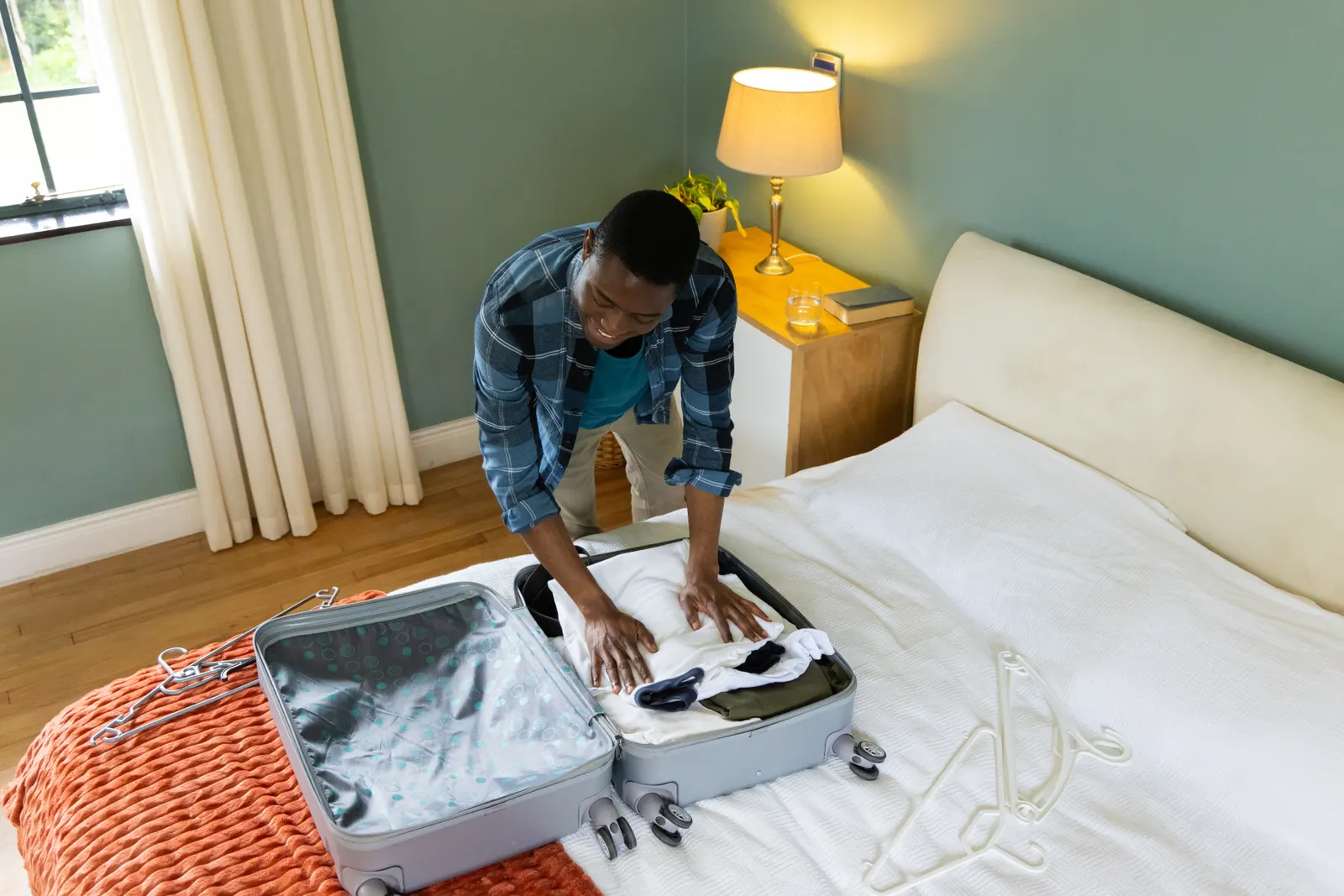
For residential treatment, pack light and practical. Bring a photo ID, your insurance card, a written list of your medications, your prescriptions in their original labeled containers, about a week of comfortable clothes, alcohol-free toiletries, and a few comfort items. Leave valuables, alcohol-based products, and anything not on the program's list at home.
Every program sets its own rules, so treat the lists below as a starting point. Then ask admissions for the program's current list before you pack. In Florida, a licensed substance use program must respect your right to keep clothing and personal effects. It may hold items for medical or safety reasons, but it must record them and return them when you leave, even if you leave against medical advice. Florida Statutes 397.501.
What documents should you bring to rehab?
Paperwork matters more than anything else in your bag. SAMHSA's checklist for starting treatment begins with an ID and an insurance card, plus a list of the medications you take and what each one treats. SAMHSA: Get ready to start treatment.
- Driver's license, state ID, or passport
- Insurance card (and a pharmacy benefits card, if separate)
- A written list of your medications, with doses, what each is for, and the prescriber
- Allergies and major medical conditions
- Names and phone numbers of your doctors, therapist, and pharmacy
- A paper list of emergency contacts and other numbers you may need if your phone is stored
- Any court, probation, or work paperwork you need to keep up with
- A debit card or a way to pay any expected personal costs
How should you bring your medications?
Bring prescription medications in their original pharmacy containers, with the label showing your name, the drug, and the dose. CDC's travel packing list recommends prescriptions "preferably in their original bottle," plus copies of your prescriptions. CDC: Pack smart.
Expect staff to review everything you bring, including over-the-counter medicines and supplements. Do not stop taking a prescribed medication before you arrive unless your prescriber tells you to.
If you are flying to Florida for treatment, pack your medications in your carry-on bag. TSA does not require prescription bottles, but it notes that some state laws govern how prescriptions are labeled, and it recommends keeping medications in your carry-on. Liquid medications over 3.4 ounces are allowed in reasonable amounts, and you must declare them at screening. TSA: Traveling with medication.
What clothes should you pack for rehab in Florida?
Pack about a week of comfortable, casual clothing. Ask whether laundry is available and how often. Florida is warm and humid most of the year, and indoor spaces are often air-conditioned, so plan for both.
- Lightweight, breathable shirts and pants or shorts
- A sweatshirt or light jacket for cool rooms and evenings
- Sleepwear and enough underwear and socks for a week
- Sneakers for walking or exercise, plus sandals or shower shoes
- A light rain jacket
- One or two neater outfits for family sessions or visits
- A swimsuit or workout clothes, only if the program says you will need them
Many programs have a dress code. Leave behind clothing with alcohol, drug, or violent images, and anything very revealing. Some programs remove drawstrings, belts, or cords for safety. Label your clothes with your name.
Which toiletries are allowed?
Bring basic toiletries in new or sealed containers, and check labels for alcohol. Many programs ask for alcohol-free products because some everyday items, including some mouthwashes and fragrances, contain alcohol. Hand sanitizer is usually alcohol-based, and CDC recommends one with at least 60% alcohol. CDC: Hand sanitizer.
- Toothbrush, toothpaste, and alcohol-free mouthwash
- Shampoo, conditioner, soap, and deodorant
- Sunscreen and lip balm
- A hairbrush or comb
- Feminine care products
- An electric razor, if allowed (programs often hold disposable razors)
Aerosol cans, nail polish remover, and perfume or cologne are often restricted. Ask before packing them.
What comfort items can you bring?
- A journal and a few pens
- Books or a puzzle book
- Printed photos of family, friends, or pets
- Envelopes, stamps, and addresses for writing letters
- An inexpensive watch or alarm clock
- Your own pillow or blanket, if the program allows them
Can you bring your phone and laptop?
It depends on the program. SAMHSA advises asking about phones before an overnight stay, along with what contact you can have with family and friends. Florida law gives people in substance use treatment the right to communicate privately with others. It also lets providers set "reasonable rules for telephone, mail, and visitation," especially early in treatment, and requires them to explain those rules. Florida Statutes 397.501. Florida's mental health patient-rights law also protects private communication. In the facilities it covers, any limit must have a documented clinical reason. Florida Statutes 394.459.
Ask admissions when you can make calls, whether you can keep a phone or laptop, and whether you can make time for necessary work or family calls. If devices are allowed, bring the charger.
What should you not bring to rehab?
These items are commonly restricted. The program's list is the final word.
- Alcohol, drugs, and drug paraphernalia
- Products that contain alcohol, such as some mouthwashes, hand sanitizers, and colognes
- Medications that are not prescribed to you, and unapproved over-the-counter medicines or supplements
- Weapons of any kind, including pocketknives and multi-tools
- Cigarettes, vapes, and other tobacco or nicotine products (ask; policies differ)
- Outside food, energy drinks, and caffeine pills
- Jewelry, valuables, and large amounts of cash
- Games, cameras, or other electronics not on the approved list
If something isn't allowed, ask whether a family member can take it home on arrival day.
What should you arrange at home before you leave?
- Work. Talk with HR about time off. Ask whether you qualify for job-protected leave, such as under the Family and Medical Leave Act, and which forms your employer needs.
- Bills. Set up autopay for rent, utilities, phone, and loan payments, and ask a trusted person to collect your mail.
- Children. SAMHSA reminds people to plan ahead for childcare. In Florida, a parent can sign a form naming another adult to make health care decisions for a minor child. It must be signed in front of two adult witnesses. Florida Statutes 765.2035. If custody is shared or contested, talk with an attorney.
- Pets, plants, and your car. Arrange care, and decide where your car and keys will stay.
- Transportation. Ask admissions how arrival works and what to know about getting there.
Packing for a teen entering residential treatment
Parents usually handle the paperwork, and teens can help choose their clothes and comfort items. Bring the documents the program asks for. These often include proof of guardianship or custody papers, the teen's insurance card, a medication list, and contact details for the pediatrician and any therapist. School records, such as a recent report card and any IEP or 504 plan, help the team plan schoolwork.
Teen programs often have stricter rules about phones, clothing, and personal items. Label everything, and pack school-appropriate clothes. Ask about phone and video calls before arrival day, so your teen knows what to expect. Our guide to choosing a teen residential treatment program covers the questions to ask about family contact, school, and safety.
Questions to ask admissions before you pack
- Do you have a current packing list, and what is not allowed?
- How should I bring my medications, and will staff hold them?
- Are over-the-counter medicines, vitamins, or nicotine products allowed?
- Is laundry available, and how much clothing should I bring?
- What are the phone, laptop, and visiting policies, starting on the first day?
- How much money should I bring, and what personal costs should I expect?
- What happens to items I bring that are not allowed?
- What should I know about transportation and arrival?
Frequently asked questions
Can I bring my cell phone to rehab?
Some programs allow phones at set times, and others hold them for some or all of the stay. Florida lets licensed substance use providers set reasonable phone rules, and they must explain those rules to you. Ask admissions before you arrive.
Should I bring my medications to residential treatment?
Yes. Bring prescribed medications in their original labeled containers, along with a written list of doses and prescribers. Expect staff to review them, and the program may hold them.
What happens to items I'm not allowed to keep?
In Florida, a substance use program can hold personal items only for medical or safety reasons. It must record what it holds and return those items at discharge.
Preparing for residential treatment at Ambrosia
For adults, Ambrosia provides inpatient and residential rehab at Ambrosia Treatment Center on Singer Island. If withdrawal is a concern, admissions can explain whether detox should come first. Our guides explain how detox admission works and what happens after detox. For teens ages 13 to 17, The Academy treats substance use and NIA provides adolescent mental health treatment. Both are in Port St. Lucie, and both offer residential care.
Before you arrange travel, admissions can review your benefits, any expected personal costs, and what to bring for the program you are entering. Call (888) 492-1633 or request a callback. If you or someone else is in immediate danger, call 911. For a mental health crisis, call or text 988.