Dual-diagnosis care
Treatment for ADHD and Addiction
ADHD’s impulsivity and restlessness can pull people toward self-medication. Treating the ADHD and the addiction together breaks that cycle.
About this condition
ADHD and addiction
Attention deficit hyperactivity disorder is a neurodevelopmental condition marked by persistent inattention, impulsivity, and hyperactivity. Everyone shows those behaviors occasionally; in ADHD they are severe, frequent, and persistent enough to interfere with school, work, and relationships.
When ADHD and substance abuse co-occur, treating only one condition tends to produce a cycle of relapse. Some people reach for drugs or alcohol to escape the effects of ADHD, and that self-medication amplifies the risk of addiction. Our dual-diagnosis program starts with a proper evaluation and addresses the symptoms of both conditions at once.
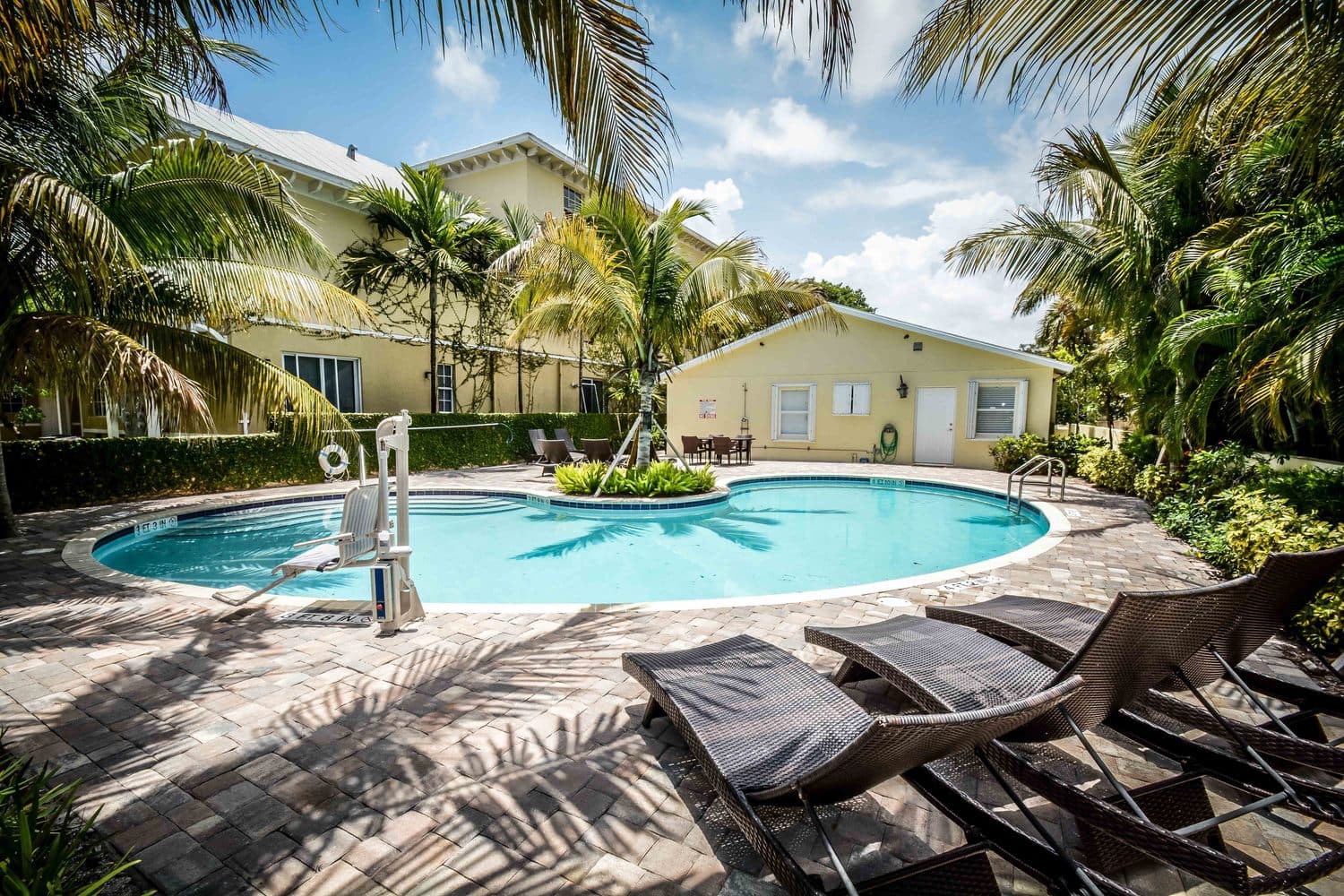
Ambrosia treats ADHD and addiction at its Singer Island program, with residential treatment plus partial hospitalization and intensive outpatient levels of care, alongside co-occurring conditions such as anxiety, depression, OCD, and PTSD.
The three presentations of ADHD
Predominantly inattentive (ADHD-I)
Difficulty sustaining attention, frequent careless mistakes, forgetfulness in daily activities, distractibility, and trouble organizing tasks.
Predominantly hyperactive-impulsive (ADHD-HI)
Fidgeting, inability to stay seated when it is expected, excessive talking, difficulty waiting a turn, and hasty decisions made without weighing consequences.
Combined (ADHD-C)
A combination of inattentive and hyperactive-impulsive symptoms — the most common presentation.
Why ADHD and addiction co-occur
Impulsivity and difficulty focusing make the symptoms of ADHD hard to live with, and some people turn to drugs or alcohol for relief. ADHD also involves differences in dopamine signaling — the neurotransmitter tied to motivation and pleasure — and the drive for stimulation can steer people toward substance use.
Genetics and environment both play a part. Children with ADHD often have a relative with the same diagnosis, and multiple genetic factors combine to raise the odds of developing either condition. Difficult family situations, abuse or neglect, early exposure to substances, trauma, and peer pressure all add risk on top of that.
Professional treatment teaches people with ADHD to cope with and manage these symptoms, which lowers the chance that substance use becomes the coping strategy.
How treatment works
Effective dual-diagnosis care begins with an ADHD evaluation, then combines therapies that target executive function, life skills, and the substance use itself.
- Behavioral and cognitive therapy
CBT reshapes negative thought patterns and behaviors, while DBT builds emotional regulation and stronger relationships — both central to recovery.
Medication management
ADHD is often treated with stimulant or non-stimulant medication. Because some ADHD medications can be addictive, medication management keeps treatment on track without feeding the addiction.
- A support network
Family, friends, and professionals help people avoid isolation, build connections that do not involve substances, and rebuild trust during recovery.
Dual-diagnosis care at Ambrosia
Our clinicians use evidence-based techniques — cognitive behavioral therapy, dialectical behavior therapy, motivational interviewing, and medication-assisted treatment — to work through the intricacies of ADHD and addiction together. Individual therapy, targeted group work, case management, and experiential and holistic activities round out each personalized plan.
Ready to talk with admissions?
Admissions is available 24/7 to answer questions about mental health and substance use treatment options.