Heroin Addiction Treatment Center in Florida
The opioid addiction epidemic is having a severe impact on communities across the nation, and Florida is no exception.
Recognizing the illegal and harmful nature of heroin is the initial step, followed by seeking assistance for those in need. Whether it is seeking treatment for yourself, a friend, or a family member, there are resources available to break free from the destructive cycle of addiction.
Florida alone is considered an epicenter of heroin use which is why the Sunshine State is so keen to tackle this epidemic.
Ambrosia Behavioral Health located in West Palm Beach, Port St. Lucie, and Singer Island, Florida specializes in delivering compassionate care and comprehensive addiction treatment necessary for a successful journey toward recovery.
Approximately 7.27% of opioid users misuse heroin, and it constitutes 1.5% of all illicit drug use in the United States. The United States and the world at large continue to grapple with an epidemic of opioid use disorder and addiction. In the U.S., three million citizens and 16 million individuals worldwide have either experienced or currently suffer from opioid use disorder (OUD). Moreover, over 500,000 people in the United States are dependent on heroin.
These alarming statistics emphasize the urgent need to address the opioid crisis and its devastating impact on lives. Given its highly addictive nature and significant health risks, the use of heroin is illegal in most countries. It is crucial for individuals struggling with heroin addiction to seek professional heroin addiction treatment to overcome the challenges associated with withdrawal and achieve long-lasting recovery.
What is Heroin?
Heroin addiction is defined by the DSM-IV as a chronic disease with four main elements: the desire to use, the compulsion to use, the willingness to use despite negative consequences afterward, and a lack of control over dosage or frequency. In most cases, heroin use starts as a cheaper alternative to misusing prescribed painkillers, such as OxyContin and Vicodin.
It is worth noting that heroin abuse is particularly prevalent among young adults aged 18 to 25, although it can affect individuals of all age groups. This drug can be administered through injection, snorting, or smoking. Injection is a widely used method due to its ability to produce a rapid and intense euphoric effect.
Recognizing Heroin By Name
Commercial Names
No commercial usesStreet Names
Dope, Smack, Brown sugar, China White, H, Horse, Junk, SkagCommon Forms
White or brownish powder, or black sticky substance known as “black tar heroin”How Heroin Addiction Affects the Brain and Body
Upon heroin consumption, it inundates your brain with dopamine, a chemical messenger associated with feelings of pleasure. This surge of dopamine is responsible for the initial euphoric high. However, as time passes, your brain adapts and ceases to produce dopamine naturally. This adaptation is what leads to addiction and intense cravings. Additionally, heroin affects the regions of your brain responsible for judgment, decision-making, and self-control.
Heroin slows down your breathing, heart rate, and blood pressure. It can induce nausea, vomiting, and sedation. Prolonged usage results in collapsed veins, infections, as well as liver and kidney diseases. Insomnia, weight loss, and dental issues may also manifest. The risk of overdose is particularly high, especially when heroin is mixed with fentanyl. An overdose can lead to a coma, permanent brain damage, or even death.
The ramifications of heroin addiction extend to all aspects of your life, including relationships, work or school, health, finances, and legal troubles. Although the long-term effects of heroin use on the brain are irreversible, there is hope for treatment and recovery. By comprehending how heroin has impacted you mentally and physically, you can cultivate the motivation and resilience necessary to reclaim your life from the clutches of addiction.
Remember, there are individuals available to support you throughout this journey. You do not have to face it alone. Our heroin addiction treatment center in South Florida is here to take care of your unique needs.


Risk Factors Of Heroin Addiction
Individuals with a first-degree relative with addiction disorder are more prone to become addicted themselves, though genetics alone are not the only factor.
Repeated drug use changes the way the brain reacts and responds to stimuli. Drug and alcohol addiction disrupts communication inside and between the brain’s cells. More drug is needed to compensate for the lack of neurotransmitters which leads to dependence and addiction.
Socio-economic factors, as well as family beliefs and attitudes and peer influence, affect an individual’s choices about drug use. Homes, where drug use is more acceptable and prevalent, may cause more lenient behavior and attitudes towards them. Environmental factors may include using drugs as a way of dealing with stressors, difficult circumstances, or life events.
Untreated or undiagnosed mental illness plays a role in drug use. This may lead to self-medication by the use of drugs to tolerate or cope with symptoms of the disorder or illness.
How is Heroin Abused?
- The drug can be injected into a vein or muscle, which produces the quickest effects. The euphoric feeling is felt within seconds, but it is the most dangerous method, with added risks from needle sharing like HIV. Track marks on arms, hands, or feet are a sign of intravenous heroin injection.
- The drug can be smoked in a pipe or even mixed with marijuana or cocaine, which can cause coughing and a hoarse or raspy voice.
- As a powder, heroin can also be snorted, which can cause a runny or stuffy nose.
What Are The Signs and Symptoms of Heroin Addiction?
- Behavioral Changes: Abrupt shifts in habits, withdrawal from social connections, and neglecting responsibilities.
- Physical Signs: Constricted pupils, sudden weight loss, poor hygiene, drowsiness, cold flashes, diarrhea, insomnia, leg twitches, restlessness, and sudden changes in behavior.
- Psychological Symptoms: Mood swings, depression, anxiety, and irritability.
- Track Marks: Visible puncture wounds or bruising at injection sites.
- Financial Issues: Unexplained financial troubles or a sudden need for money.
- Social Isolation: Withdrawal from social activities and a preoccupation with drug use.
- Tolerance and Dependence: Requiring larger amounts of heroin to achieve the same effects and experiencing withdrawal symptoms without it.
- Health Decline: Increased illness, respiratory problems, and a general deterioration of physical well-being.
- Neglect of Appearance: Disregard for personal grooming and appearance.
- Lying and Secrecy: Engaging in deceptive behavior to conceal drug use from others.
If you identify these signs in yourself or someone you care about, it is crucial to seek help immediately. Heroin is an extremely dangerous and highly addictive substance, that necessitates professional treatment to overcome.
What Are the Side Effects of Heroin Addiction?
Addressing addiction at an early stage enhances the chances of a successful recovery. Effective heroin addiction treatment may involve a combination of therapy, counseling, and support groups to assist individuals in breaking free from the clutches of addiction and forging a path toward lasting recovery.
Heroin Withdrawal Symptoms
- Flu-like symptoms
- Intense cravings
- Sweating
- Nausea
- Vomiting
- Cramping
- Cold sweats
- Runny nose
- Fever/shakes
- Diarrhea
- Insomnia
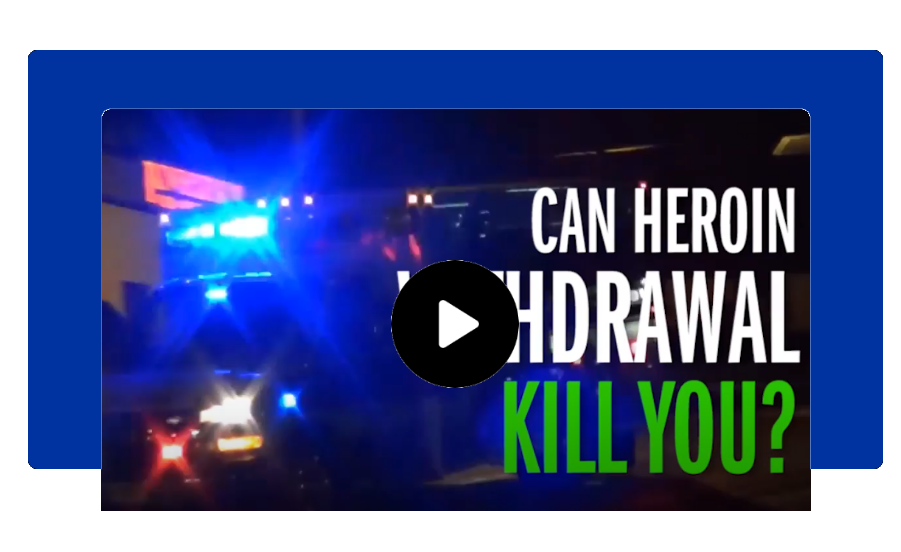
Heroin withdrawal should be taken very seriously and done only in the care of a heroin treatment center with knowledge and expertise. The symptoms usually start 12 hours after a recovering addict stops using heroin and can last up to three days.
Once heroin is in the brain, it converts into morphine (an opiate) and binds to the opiate receptors. These receptors control the perception of pain and reward. Using opiates will decrease the reception of pain, and it will increase the reception of reward. Over time, the over-stimulated receptors are not able to produce the same levels of pleasure.
Heroin abuse alters the brain on a molecular level. It meddles with the transmitters associated with pain, pleasure, and motor activity. Once these changes are made, the brain requires heroin to keep regulating these functions. The short-term side effects of heroin use may include but are not limited to, the following:
- Clouded Mental Function: Impaired judgment and slowed thinking.
- Constricted Pupils: Drastic reduction in the size of pupils.
- Nausea and Vomiting: Gastrointestinal disturbances.
- Itching: Persistent and bothersome itching of the skin.
- Slowed Breathing: Respiratory depression, is a serious risk.
Dry Mouth: Uncomfortable sensation of a lack of moisture in the mouth.
The long-term side effects of heroin addiction include:
- Addiction: Developing a physical and psychological dependence on heroin.
- Collapsed Veins: From repeated injections, leading to circulation problems.
- Abscesses (swollen tissue with pus).
- Infectious Diseases: Increased risk of HIV, hepatitis, and other infections.
- Liver and Kidney Damage: Compromised organ function over time.
- Cardiovascular Issues: Heart and blood vessel complications.
- Respiratory Failure: Infection of the lining and valves of the heart. Persistent breathing difficulties are a life-threatening risk such as Pneumonia.
- Mental Health Disorders: Increased susceptibility to depression and anxiety.
- Social Consequences: Strained relationships, job loss, legal issues.
- Overdose: A constant risk due to the drug’s potency.
- Constipation & stomach cramps
Drug cues, or signs of drug use, vary from person to person, so there’s no concrete list of all existing prompts. However, common cues include associating with other drug or alcohol users, experiencing normal stress or extremely high levels of stress, being in a physical environment associated with former drug or alcohol abuse, and feeling emotional states previously linked to drug or alcohol use.
Heroin-addicted individuals are afflicted with both psychological and physiological dependence. When you aren’t high, is heroin all you can think about it? Do you find eating, sleeping, and performing daily activities difficult unless you use them beforehand?
Over time, users develop a “thought process” that compels them to give into their compulsions and use heroin, despite all the havoc the drug wreaks on their lives. Do you find it impossible to stop despite a desire to be strong or even a desperate desire to get clean and sober?
Are you finding yourself using larger and larger quantities more and more times per day? Tolerance to heroin builds quickly. A large part of what makes it dangerous is that our bodies can’t keep up.
If you think you might be addicted to heroin and are experiencing any of these withdrawal symptoms, a heroin addiction treatment center can help.
Heroin Addiction and Mental Illness: Dual Diagnosis
When depression and substance abuse are treated simultaneously, depressive symptoms often improve. Opiate addicts who go through residential rehab or methadone maintenance treatment have significant improvement in their conditions once they learn how to cope with emotions, direct their thought processes, and live a healthy lifestyle.
Florida offers a range of care options to combat heroin addiction, including detox centers, inpatient and outpatient rehab, outpatient treatment programs, and sober living homes. Following successful detoxification, we provide a range of treatment programs and therapies to aid in the recovery process including:
- 12-step facilitation
- Behavioral therapy
- Trauma therapy
- Dual diagnosis treatment
- Family services
It’s crucial to customize the treatment approach according to the individual’s addiction severity, insurance coverage, and personal requirements. Ambrosia’s heroin addiction treatment program aims to provide a solid foundation for individuals seeking to overcome their addiction to opioids.
Medical detox refers to the process of eliminating heroin from an individual’s body. The initial symptoms of withdrawal can manifest within six hours, initially being mild but potentially worsening over time. The most severe symptoms typically peak on the second or third day and may persist for slightly over a week. However, they should gradually diminish and cease around the two-week mark.
Although mild symptoms may persist, most individuals regain their normal functioning and energy levels at this stage. The detox process for heroin can be administered either in an inpatient or outpatient rehabilitation setting, depending on the patient’s circumstances. For severe cases, inpatient care that provides round-the-clock monitoring and support offers the best chance of achieving sobriety.
Medication-assisted treatment (MAT) is commonly employed during detox. This approach involves the use of medications like methadone to alleviate withdrawal symptoms and facilitate a smooth transition away from heroin use. Following the initial detox period, individuals proceed to ongoing treatment and relapse prevention, which may include activities such as attending therapy or support groups regularly, establishing new support systems, engaging in healthy hobbies, and continuing with prescribed medications.
Methadone, Suboxone (buprenorphine), and Vivitrol (naltrexone) are the three most frequently prescribed medications for addressing heroin addiction. These drugs function by obstructing the impact of opioids in the brain, thereby diminishing both the desire for the drug and the symptoms of withdrawal. Typically, they are administered alongside counseling and behavioral therapies to maximize their effectiveness.
Behavioral therapy plays a crucial role in helping individuals develop coping strategies and techniques necessary for maintaining sobriety. Individual and group therapy is an important part of heroin rehab. Therapy services can help you understand your addiction, identify triggers, develop coping skills, and build a support system. Therapy can also help you resolve any underlying mental health issues that may be contributing to your addiction.
At Ambrosia Behavioral Health in South Florida, we are dedicated to assisting individuals struggling with heroin addiction. Our facility offers comprehensive medical detox programs for heroin, alcohol, cocaine, and stimulants.
We understand that embarking on the path to healing can be challenging, but we are here to support you every step of the way. If you or a loved one are seeking sobriety, please don’t hesitate to reach out to learn more about our heroin addiction treatment program.

Hear The Stories

Polly H.
I was addicted to heroin for over 10 years. I thought it would make me more confidant and happier, and for a short time it did. But it simultaneously destroyed my relationship with everyone around me. I had found myself in a lot of compromising positions, often in danger and I rendered myself a lost cause. Nothing could stop me from using, and I wasn’t even sure I wanted to stop. Before I came to Ambrosia, I was trying to withdraw from the drugs myself, but it ended up useless. This treatment center really changed my mind about whether or not I was capable of gaining sobriety. My counselors managed to get my head in the right place and really give me perspective. I’m incredibly grateful that they didn’t give up on me when I already had.
Receive Treatment at Our Heroin Rehab Center in Florida
If you or a loved one are struggling with addiction, contact us today to learn more about our heroin addiction treatment center, and how we can assist you in achieving a sober and fulfilling life.






Dr. Alam is an internationally renowned psychiatrist with academic affiliations with Northwestern University and University of Illinois, Chicago where he completed his residency training. He has been a principal investigator for over forty studies and has been involved in research leading to the approval of most psychiatric medications currently on the market. He is the founder of the Neuroscience Research Institute which continues to conduct research on cutting edge medication and interventional psychiatry. Dr. Alam is a Distinguished Fellow of the American Psychiatric Association and the American Society of Addiction Medicine. He has won several awards and has been featured extensively on radio and television.