South Florida Outpatient Treatment
Our South Florida outpatient center is led by renowned mental health researchers with work extending to mental health research at and for major medical institutions and pharma organizations. Our team’s impressive credentials span multi-decade hands-on experience including advancing mental health industry research. Our team knows first-hand the obstacles and opportunities in treating mental health disorders.
Outpatient treatment allows a person to attend treatment during the day while living at home or in a sober living home. Furthermore, depending on the program, they may attend sessions from once or twice a week to daily sessions. Sessions usually last just a few hours per day. This form of treatment can last from a few to several months, often decreasing in the number of hours required per week as the individual makes progress.
Additionally, outpatient treatment includes things like individual therapy, group therapy, and support groups. Holistic therapy can include things like yoga, acupuncture, massage, art therapy, music therapy, and equine therapy. It can also provide added value for anyone continuing their post-residential treatment.
Outpatient treatment in Florida provides a valuable bridge between the concentrated, around-the-clock focus of inpatient treatment and leaving treatment completely. Therefore, it allows a person to take the lessons from inpatient treatment and the ones they are learning in outpatient out into the real world for a test drive. This continued care allows a person to make mistakes while still enjoying the support of treatment providers and any accompanying peer support.
Planning for Outpatient Rehab in South Florida
Ambrosia Behavioral Health, located in South Florida provides detox treatment. As well, we provide inpatient treatment that puts clients on the path to lifelong sobriety. We also offer our clients outpatient drug rehab in Florida choices that help them stay focused and confident in their ability to stay sober. In order to support this, we offer options such as working with them to choose the best outpatient programs.
To add, we help by providing transportation to a sober living home or scheduling counseling in their hometown. We have an entire team dedicated to helping them plan for life after rehab. They’ll check in with you, your family, and your therapist throughout treatment to ensure everyone feels confident about their ability to thrive after leaving.
What Happens in Outpatient Treatment?
- Challenges of early recovery
- Managing stress
- Communicating with loved ones
- Rebuilding damaged relationships
- Developing healthy coping skills
- Setting and following schedules
- Recognizing warning signs of a potential relapse
- Eliminating toxic people
- Dealing with substance cravings
- Returning to work or school
- Taking care of mental health
- Healthy eating and exercise
- The value of peer support
The knowledge you gain from these types of outpatient lessons help you feel confident, hence knowing how to combat the challenges of later stages of recovery.

How Much Does Outpatient Rehab Cost?
What Happens After Outpatient Rehab in West Palm Beach?

How Families Can Help a Loved One in Outpatient Drug Rehab
Generally, family members can help their loved ones by:
- Removing all alcohol from the house, even if their loved one struggles with other drugs.
- Check-in to make sure they are attending outpatient treatment sessions.
- Encourage them to be actively looking for work, employment, or continuing their education.
- Discuss triggers and signs of relapse using the Relapse Agreement.
- Attending any available family therapy sessions, as requested by the loved one.
- Attending their own support groups or private therapy.
- Keeping the lines of communication open.
- Remembering that recovery is a lifelong event and people do stumble along the way.
Start Outpatient Rehab in South Florida
Are you ready to seek outpatient treatment in order to keep yourself steady in your recovery from drug and alcohol addiction? We provide multiple options that help reinforce the progress you made during detox and residential treatment and keep you strong in recovery. Call Ambrosia Behavioral Health in South Florida to discuss how we can help you or visit our admissions page today. Our expert team is ready to help you get the help you deserve and overcome addiction.
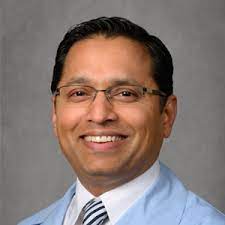
Dr. Alam is an internationally renowned psychiatrist with academic affiliations with Northwestern University and University of Illinois, Chicago where he completed his residency training. He has been a principal investigator for over forty studies and has been involved in research leading to the approval of most psychiatric medications currently on the market. He is the founder of the Neuroscience Research Institute which continues to conduct research on cutting edge medication and interventional psychiatry. Dr. Alam is a Distinguished Fellow of the American Psychiatric Association and the American Society of Addiction Medicine. He has won several awards and has been featured extensively on radio and television.