Published

Medically reviewed by Danesh Alam MD, DFAPA, DFASAM

Alcohol withdrawal medical detox is recommended when someone who drinks heavily stops suddenly, because withdrawal can become life-threatening. The same caution applies to many people who stop a benzodiazepine abruptly or cut the dose too quickly. This article explains why those withdrawals can be medically serious, how they differ, and why a supervised medical setting is not the same as trying to tough it out at home.
If you or someone near you is having a seizure, severe confusion, hallucinations, a fever, or an irregular heartbeat during withdrawal, call 911 or go to an emergency room now. MedlinePlus lists those symptoms as reasons to seek emergency care during alcohol withdrawal. MedlinePlus: Alcohol withdrawal This page is general education, not a plan for withdrawing at home and not a substitute for emergency care.
Why the nervous system can overreact when alcohol or a benzodiazepine is stopped suddenly
After repeated heavy use, the brain adapts to the presence of alcohol or a benzodiazepine. When the substance is removed all at once, that adaptation can swing too far in the other direction. The result is withdrawal: a range of symptoms that can be uncomfortable for some people and dangerous for others.
The U.S. Food and Drug Administration (FDA) explains that benzodiazepines slow brain activity by binding to gamma-aminobutyric acid (GABA) receptors, which produces drowsiness or calming effects. Physical dependence can develop when these medicines are taken steadily for several days to weeks, even as prescribed. FDA: Boxed warning for benzodiazepines
Alcohol withdrawal is a related but separate problem. The National Institute on Alcohol Abuse and Alcoholism (NIAAA) warns that it "can be life threatening" if people who chronically engage in heavy drinking stop suddenly, rather than cutting back gradually or stopping with medical support. NIAAA: Alcohol use disorder, from risk to diagnosis to recovery
None of this means every person who stops drinking or steps down a prescribed benzodiazepine will have a medical crisis. It does mean that the decision to stop should be made with a clinician who can judge the risk, not by willpower alone.
Why alcohol withdrawal medical detox is sometimes necessary
NIAAA reports that up to half of people with alcohol use disorder will have some withdrawal symptoms when they stop drinking, and that a small proportion will need medical care and monitoring, or "detox," to manage potentially dangerous symptoms. Alcohol withdrawal accounts for approximately 260,000 emergency department visits and 850 deaths each year. NIAAA: Alcohol use disorder, from risk to diagnosis to recovery
Those figures are why "I will just quit today" can be a dangerous plan for someone who has been drinking heavily. Mild symptoms can still be miserable. The concern is the smaller group of people who progress to seizures or delirium tremens, a severe form of withdrawal that is a medical emergency.
A 2024 review in Annals of Emergency Medicine describes withdrawal seizures as often occurring 12 to 48 hours after the last drink. It also describes delirium tremens as occurring in about 5% of people going through alcohol withdrawal syndrome, with a portion of people who have withdrawal seizures later developing delirium tremens. Wolf et al., Managing Alcohol Withdrawal Syndrome, Annals of Emergency Medicine
NIAAA notes that some withdrawal symptoms may be managed in an outpatient detox setting, while people at risk for potentially life-threatening symptoms need a more intensive, medically monitored setting. Assessment tools exist to help clinicians estimate that risk. Treatment for acute alcohol withdrawal symptoms includes benzodiazepines, which NIAAA calls the gold standard, with the deepest evidence behind them. NIAAA: Alcohol use disorder, from risk to diagnosis to recovery
That last point confuses many families, and it should be stated plainly: benzodiazepines used in a medical setting to treat alcohol withdrawal are not the same thing as stopping a prescribed benzodiazepine at home. In alcohol detox, these medications are given and tapered under medical supervision to prevent seizures and other severe symptoms. The American Society of Addiction Medicine's Clinical Practice Guideline on Alcohol Withdrawal Management is the specialty-society guideline NIAAA points clinicians toward for that care. ASAM: Alcohol withdrawal management guideline
Benzodiazepine withdrawal: why an abrupt stop can be dangerous
Benzodiazepines are prescribed for conditions such as anxiety, insomnia, and seizures. They can be important treatments when used as directed. They also carry serious risks if they are stopped the wrong way.
The FDA required an updated boxed warning — its most prominent warning — for the entire benzodiazepine class because of abuse, addiction, physical dependence, and withdrawal reactions. The agency's safety communication is direct: "Stopping them abruptly or reducing the dosage too quickly can result in withdrawal reactions, including seizures, which can be life-threatening." Physical dependence can occur even when the medicine is taken at recommended dosages. FDA: Boxed warning for benzodiazepines
The FDA also warns that abuse and misuse can result in overdose or death, especially when benzodiazepines are combined with opioid pain relievers, alcohol, or illicit drugs. Particular caution is needed when benzodiazepines are prescribed with opioids or other medicines that depress the central nervous system, because that combination has resulted in severe respiratory depression and death. FDA: Boxed warning for benzodiazepines
If you have been taking a benzodiazepine regularly, do not stop it or rapidly cut the dose on your own, even if you feel ready to be done with it. The safe path is a gradual, individualized taper planned with a clinician who knows your dose, how long you have taken the medicine, and your other medical conditions. This article will not give a do-it-yourself taper. Those schedules are not one-size-fits-all, and getting them wrong is part of the danger the FDA is warning about.
For some people, coming off a benzodiazepine after long-term use takes longer than a few days of detox. That is another reason a telephone screening and a clinical assessment matter: the right setting and the right pace depend on the person, not on a generic "detox weekend."
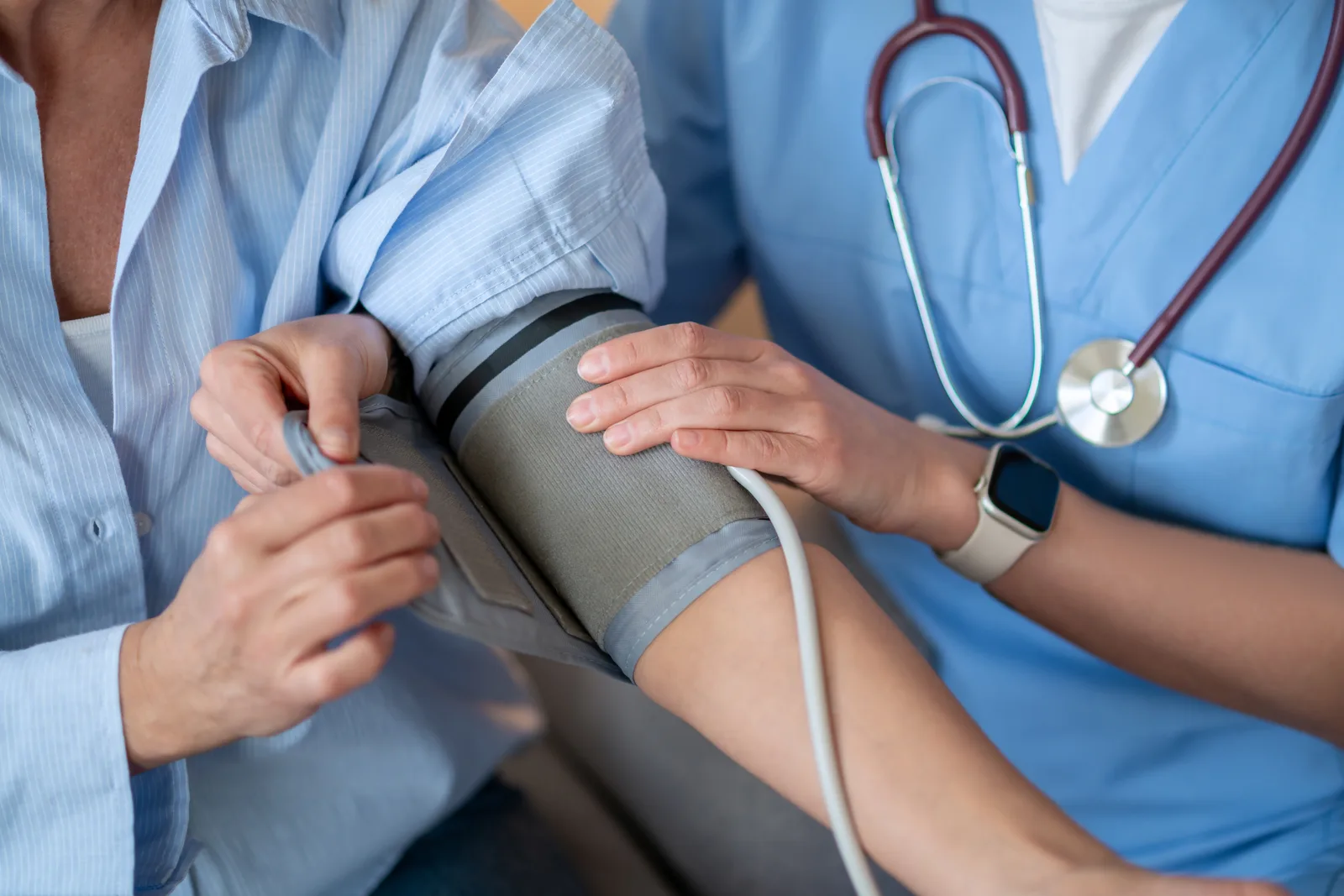
Photo for illustrative purposes. Posed by model. Photo: Dmytro Zinkevych / Shutterstock.
Why "toughing it out at home" is different from medically monitored detox
People often decide to stop drinking or to throw away a prescription because they are afraid, ashamed, or tired of waiting. The instinct is understandable. For alcohol and benzodiazepines, it can still be unsafe.
Medically monitored detox is not a test of character. It is a setting in which clinicians can watch for worsening symptoms, treat alcohol withdrawal with evidence-based medications when needed, and respond if a seizure or delirium tremens begins. NIAAA is clear that a small proportion of people with alcohol use disorder need this kind of care, and that stopping suddenly without support can be life-threatening. NIAAA: Alcohol use disorder, from risk to diagnosis to recovery
At Ambrosia, that first medical step takes place at Midwest Detox in West Palm Beach, which provides detoxification with 24-hour medical supervision by physicians and nurses for adults and adolescents. Admission and the plan of care are based on an individual clinical assessment. The medical detox program page explains what the first days involve.
If you are trying to understand timing, insurance checks, or what to have ready when you call, see how fast you can get into detox in West Palm Beach. That guide is about logistics. This article is about why the medical risk is real in the first place.
Do not use this page as a checklist for withdrawing at home, and do not treat a planned admission date as a reason to stop alcohol or a benzodiazepine ahead of time without medical advice.
After the acute danger has passed
Detox treats the immediate medical risk. It is not, by itself, treatment for alcohol use disorder or for benzodiazepine dependence. Once the dangerous window of withdrawal has been managed, the next question is what care will help someone stay safe and continue recovery.
For many people, that next step is residential treatment at Ambrosia Treatment Center on Singer Island. Residential care means living at the program, with 24-hour structure, rather than going home between sessions. Ambrosia has been open since 2007. A residential stay is not the right level of care for everyone, and no honest program should promise a particular length of stay or a particular outcome before an assessment.
Medications can also be part of ongoing care for alcohol use disorder after withdrawal has been treated. Our guide to medication for alcohol use disorder explains how naltrexone, acamprosate, and disulfiram work. If alcohol or benzodiazepines are the substances involved, those treatment pages outline the broader program options.
To plan beyond the first days, read what happens after detox.
Frequently asked questions
Can you die from alcohol withdrawal?
Yes. NIAAA states that alcohol withdrawal can be life-threatening if people who drink heavily stop suddenly, and that alcohol withdrawal accounts for approximately 260,000 emergency department visits and 850 deaths each year.
What is delirium tremens?
Delirium tremens is a severe form of alcohol withdrawal and a medical emergency. MedlinePlus says it can cause sudden, severe confusion, fever, hallucinations, and seizures. MedlinePlus: Delirium tremens A 2024 review in Annals of Emergency Medicine describes it as occurring in about 5% of people going through alcohol withdrawal syndrome. Call 911 if those symptoms appear during withdrawal.
How soon after the last drink can withdrawal seizures occur?
A 2024 Annals of Emergency Medicine review describes withdrawal seizures as often occurring 12 to 48 hours after the last drink. Timing varies, and a seizure is always a reason to call 911.
Is it dangerous to stop benzodiazepines suddenly?
Yes. The FDA warns that stopping a benzodiazepine abruptly, or reducing the dosage too quickly, can cause withdrawal reactions, including seizures, that can be life-threatening. A clinician should plan a gradual, individualized taper. This article does not provide a home taper schedule.
Why are benzodiazepines used in alcohol detox if they can also cause withdrawal?
In a medical setting, benzodiazepines are the gold-standard treatment for acute alcohol withdrawal, according to NIAAA. They are given and tapered under supervision to prevent seizures and other severe symptoms. That is different from stopping a prescribed benzodiazepine without medical guidance.
Who should not attempt to detox at home?
Anyone who drinks heavily and is considering an abrupt stop, and anyone who has been taking a benzodiazepine regularly, should talk with a medical professional before stopping. People with a history of withdrawal seizures, delirium tremens, or serious medical or psychiatric conditions are among those who may need a medically monitored setting. When in doubt, call for an assessment rather than testing the risk at home. If severe symptoms have already begun, call 911.
Getting help at Ambrosia
If you or a loved one is considering stopping heavy alcohol use or a benzodiazepine, call Ambrosia admissions at (888) 492-1633 to discuss medically supervised detox at Midwest Detox in West Palm Beach and, when it is appropriate, residential treatment at Ambrosia Treatment Center on Singer Island.
Admissions can also check insurance. Ambrosia is in network with most insurances. Logos do not mean every plan is in network. Coverage varies by plan, service, and location, and benefit information is an estimate, not a guarantee of payment. If a clinically needed stay is not fully covered, admissions can talk through private-pay options so care is not delayed. You can also request a callback.